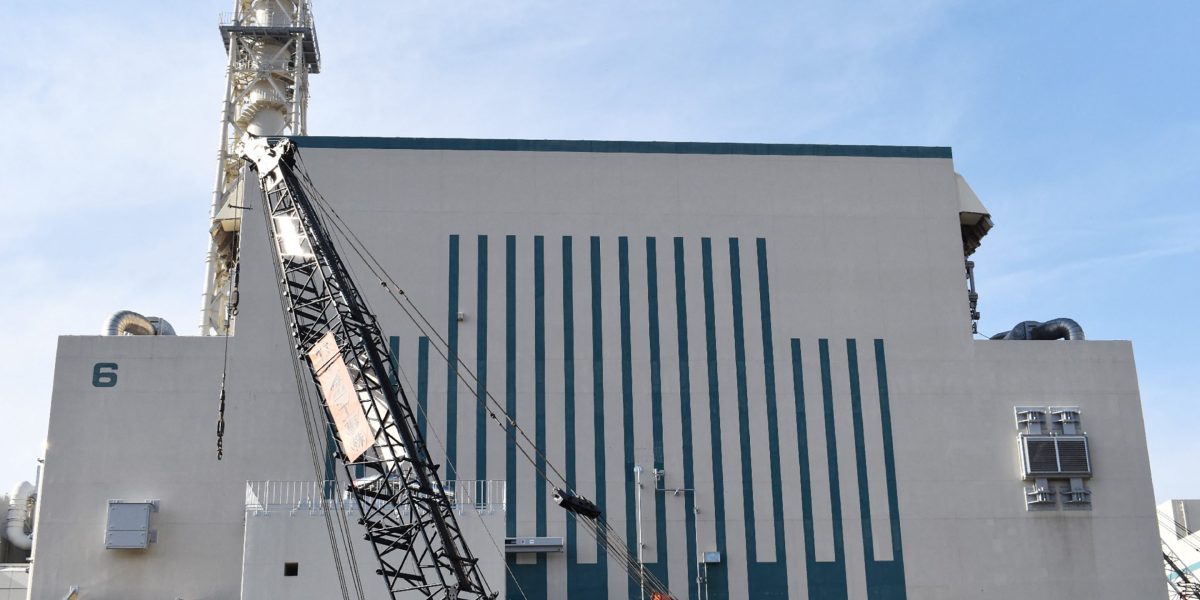
Source: Fortune.com
Summary
The closure of the Strait of Hormuz has led to an energy shock in Asia, prompting countries to turn to coal as a short-term solution. However, this is unlikely to be a long-term solution, as governments recognize the need to reduce their reliance on fossil fuels and transition to cleaner energy sources. Nuclear power is emerging as a key player in this transition, offering a reliable and low-carbon energy source. Governments in Asia are being urged to invest in nuclear power and create a stable policy framework to attract long-term investment.
Our Reading
The numbers tell one story. The Philippines, Japan, Thailand, and South Korea are among the countries turning to coal as a stopgap measure. But the shift to coal is a short-term response, and nuclear power is the real endgame. Governments know that relying on fossil fuels is a strategic vulnerability, and the Iran war has reinforced the need for a diversified energy mix. Nuclear energy can provide regular electricity and reduce exposure to a volatile energy market.
The announcement sounds familiar. Coal exporters like Indonesia are ramping up their stockpiles, but this is unlikely to persist in the long-term. The Iran war won’t derail the transition to cleaner energy, but will instead underscore the urgency of building a more resilient energy mix.
The strategy enters a familiar phase. Governments must follow a multi-pronged strategy to carry out their clean energy plans, including strengthening cooperation with other governments, investing in modernizing their electrical grids, and creating a stable policy framework. Nuclear power will play a central role in this transition.
The closed Strait of Hormuz has triggered a sharp energy shock, but it’s also highlighted the importance of nuclear power in reducing Asia’s exposure to a volatile energy market.
Author: Evan Null