Source: Fox News
Summary
A Biden-appointed judge dismissed the Trump administration’s lawsuit against New York City’s sanctuary policies, ruling that the Justice Department lacked standing and that the city’s laws did not violate federal law. The administration had argued that the policies hindered immigration enforcement by limiting cooperation with federal authorities. The judge rejected claims that the city’s laws were preempted by federal statutes and cited the Tenth Amendment’s anti-commandeering doctrine. New York City Mayor Zohran Mamdani praised the decision, calling it a victory for local autonomy. Legal experts disagreed on the implications of the ruling.
Our Reading
As expected, the matter has reached another stage.
The federal government sues again, city defends again.
Judge says no, again.
Mayor celebrates, again.
Legal arguments repeat, again.
Author: Evan Null
Sanctuary Policies and Legal Challenges
The Trump administration filed a lawsuit against New York City in July 2025, claiming its sanctuary laws impeded federal immigration enforcement. The case is part of a broader effort to challenge sanctuary policies in multiple jurisdictions. A federal judge dismissed the lawsuit, citing lack of standing and the Tenth Amendment. The administration argued that the city’s laws prevented cooperation with federal immigration authorities, but the judge ruled that federal statutes did not regulate private actors.
Mayor’s Response and Legal Disputes
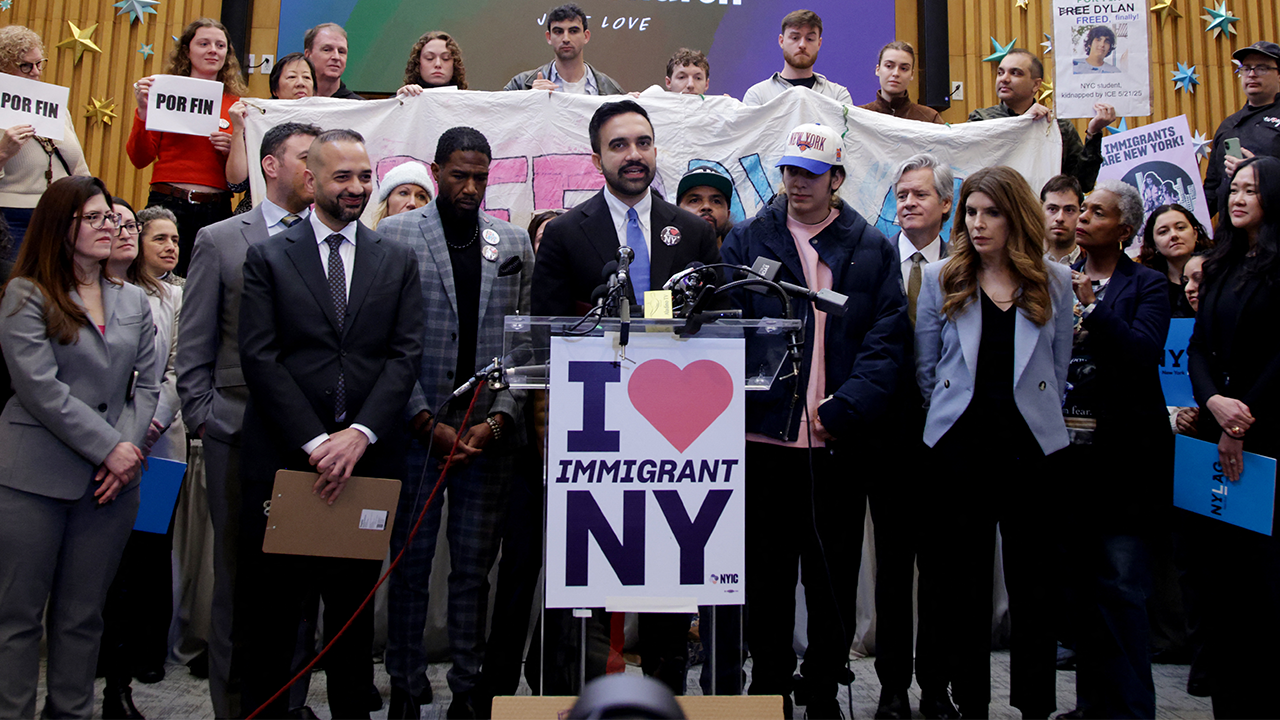
New York City Mayor Zohran Mamdani praised the ruling, accusing the federal government of trying to turn city employees into immigration agents. The mayor emphasized the city’s right to protect its residents from deportation. Legal experts, however, disputed the judge’s reasoning. Abhishek Kambli, a former federal prosecutor, argued that the city’s laws harmed federal authority regardless of state laws. He claimed the 10th Amendment did not prevent the federal government from opposing local restrictions on immigration enforcement.
Information Sharing and Legal Precedent
The Justice Department also argued that New York City’s policies restricted information sharing with ICE, which is protected under federal law. The judge ruled that the city was not required to share all information, only that related to citizenship or immigration status. Kambli, however, said the distinction missed the broader issue of whether local laws preempted federal immigration enforcement. He argued that the core issue was whether any local restrictions on cooperation were allowed under federal law.
Previous Legal Setbacks
This ruling is the latest in a series of setbacks for the Trump administration’s efforts to challenge sanctuary policies. Similar lawsuits against Boston, Los Angeles, and Minnesota were previously dismissed. The administration continues to argue that sanctuary policies hinder immigration enforcement, but courts have repeatedly ruled in favor of local jurisdictions. The legal battle over sanctuary policies remains ongoing, with no clear resolution in sight.
Continued Legal and Political Tensions
The case highlights the ongoing tension between federal and local governments over immigration enforcement. While the federal government seeks to expand its authority, local jurisdictions assert their right to protect residents from deportation. The legal arguments have become a recurring theme in the debate over sanctuary policies. Despite repeated rulings against the administration, the issue remains a focal point of political and legal conflict. The outcome of future cases may determine the extent of federal influence over local immigration policies.