Source: Fox News
Summary
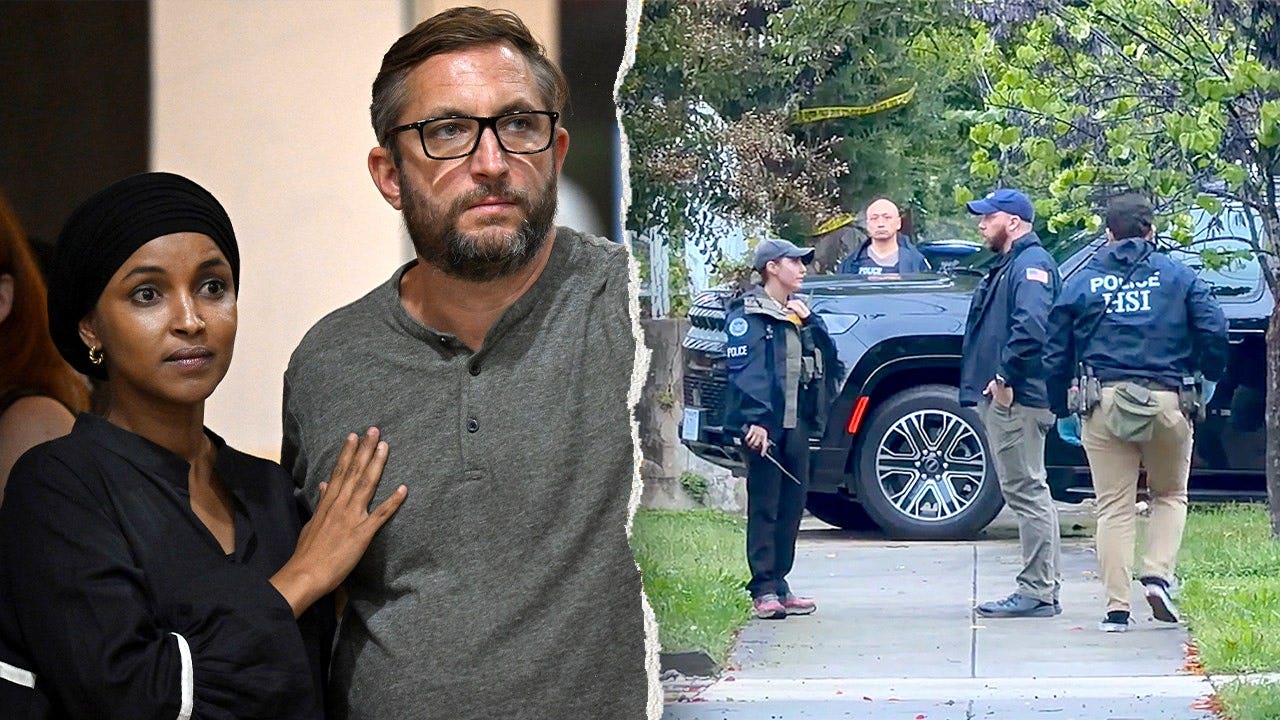
Federal agents raided Rep. Ilhan Omar’s Washington, D.C., home as part of an immigration fraud investigation, according to reports. Oversight Project President Mike Howell warned that more revelations could follow, citing concerns about congressional accountability. U.S. Attorney Jeanine F. Pirro confirmed an ongoing financial disclosure investigation, while federal investigators subpoenaed Omar’s relatives as part of an immigration probe. Omar’s office denied wrongdoing and accused the Trump administration of targeting political opponents. No criminal charges have been filed.
Our Reading
As expected, the matter has reached another stage.
Federal agents searched a congresswoman’s home.
Investigators subpoenaed family members.
Defenders called it political, not criminal.
It feels like a routine of accusations and denials.
Author: Evan Null
Ilhan Omar’s Home Raid and the Politics of Scrutiny
The federal raid on Rep. Ilhan Omar’s home in Washington, D.C., has drawn attention as part of an ongoing investigation into her immigration records and financial disclosures. The search by Homeland Security Investigations (HSI) has raised questions about the scope of the probe and the potential for further revelations. Omar, a Minnesota Democrat, has denied any wrongdoing and accused the Trump administration of using federal law enforcement against political opponents.
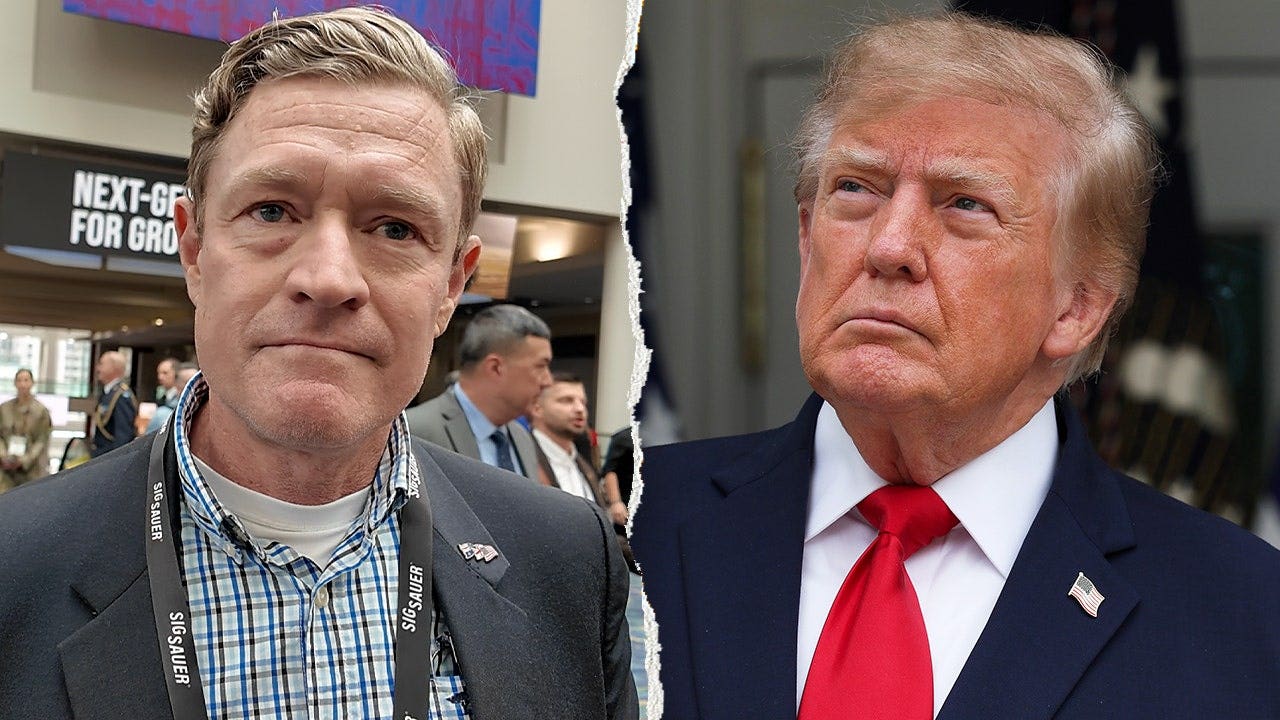
Oversight Project President Mike Howell, a conservative watchdog leader, suggested that more information could emerge from the investigations. He criticized the lack of accountability in Congress, pointing to the recent removal of a $1.031 million earmark backed by Omar. Howell argued that the raid and ongoing inquiries reflect a broader pattern of questionable behavior by lawmakers.
U.S. Attorney Jeanine F. Pirro confirmed that her office is investigating Omar’s financial disclosures, while separate reports indicated that federal investigators have subpoenaed her relatives as part of an immigration-related probe. The inquiry focuses on whether Omar accurately reported her age and citizenship status when she arrived in the U.S. in 1995 and obtained citizenship in 2000.
Omar’s husband has stated that he has no concerns about the immigration investigation, but the probe has raised questions about the legitimacy of her citizenship. Former FBI agent Nicole Parker noted that if her father provided false information, Omar may not be criminally liable, but she could face denaturalization if her citizenship was based on false pretenses.
The controversy has sparked political debate, with Republicans accusing Democrats of defending Omar without evidence. Howell argued that the investigations highlight a broader failure of accountability in Washington, where lawmakers often prioritize personal or political interests over constitutional duties.
Political Responses and the Role of Media
The raid on Omar’s home has been widely covered by conservative media, with Fox News reporting extensively on the developments. The coverage has included statements from watchdog groups, former law enforcement officials, and political figures, each offering their perspective on the investigation. The narrative often emphasizes the potential for criminal charges and the need for transparency in government.
Conservative leaders have used the raid to criticize the Democratic Party, suggesting that the party is protecting Omar despite the ongoing investigations. This has led to a public debate about the role of media in shaping political narratives and the extent to which investigations are framed as political rather than legal.
Omar’s office has consistently denied any wrongdoing, calling the search an abuse of power. They have also pointed to previous congressional ethics findings that recommended dismissing allegations against her. However, the lack of a public response to the latest developments has left many questions unanswered.
The media’s focus on the raid has contributed to a sense of ongoing scrutiny, with each new development adding to the public perception of a political battle. The coverage often highlights the tension between legal investigations and political motivations, reinforcing the idea that such events are part of a larger pattern of political maneuvering.
As the investigations continue, the role of media in shaping public opinion remains a key factor. The way the story is presented can influence how the public perceives the legitimacy of the investigations and the actions of those involved.
Legal and Ethical Implications
The ongoing investigations into Rep. Ilhan Omar’s immigration and financial records have raised legal and ethical questions about the responsibilities of public officials. The scrutiny of her citizenship status and financial disclosures highlights the complex relationship between personal history and public service. While the investigations are still in progress, the potential for legal consequences remains a central concern.
The legal implications of the immigration probe are significant, as they could affect Omar’s citizenship status if it is determined that she obtained it through false information. This raises broader questions about the legal standards for citizenship and the responsibilities of individuals who have held public office. The outcome of the investigation could have lasting effects on her political career and public standing.
From an ethical standpoint, the investigations underscore the importance of transparency and accountability in government. The scrutiny of public officials is a necessary part of democratic oversight, but it also raises concerns about the potential for political bias. The balance between due process and political pressure is a delicate one, and the outcome of these investigations will be closely watched.
The legal and ethical implications of the investigations also extend to the broader political landscape. They highlight the challenges of maintaining public trust in government institutions and the need for clear guidelines on the conduct of public officials. The way these issues are handled can influence public perceptions of fairness and integrity in politics.
As the investigations continue, the legal and ethical dimensions of the case will remain a focal point. The outcomes could set important precedents for future cases involving public officials and the scrutiny of their personal and financial records.
Political Dynamics and Public Perception
The political dynamics surrounding Rep. Ilhan Omar’s investigations reflect a broader pattern of partisan tensions and public scrutiny. The raid on her home and the ongoing probes have become a focal point for political debates, with each side presenting its own interpretation of the events. The media coverage has amplified these dynamics, shaping public perception and reinforcing existing political divisions.
The response from Omar’s allies has been mixed, with some calling the investigations a political attack and others urging caution in drawing conclusions. The lack of a unified response from the Democratic Party has further complicated the narrative, leaving room for critics to argue that the party is not adequately addressing the concerns raised by the investigations.
The public perception of the investigations is influenced by the way the information is presented and the sources from which it comes. Conservative media outlets have played a significant role in shaping the narrative, often emphasizing the potential for criminal charges and the need for accountability. This has contributed to a polarized public discourse, with different groups interpreting the same events in vastly different ways.
The political dynamics surrounding the investigations also highlight the challenges of maintaining public trust in government. The scrutiny of public officials is a necessary part of democratic oversight, but it can also lead to accusations of bias and overreach. The balance between transparency and fairness is a constant challenge, and the way these investigations are handled will have lasting effects on public trust.
As the investigations continue, the political dynamics and public perception will remain key factors in shaping the narrative. The outcome of these events will have implications not only for Omar but for the broader political landscape and the role of public officials in a democratic society.
Impact on the Political Landscape
The ongoing investigations into Rep. Ilhan Omar’s immigration and financial records have had a significant impact on the political landscape, influencing public discourse and shaping the strategies of political actors. The scrutiny has become a focal point for debates about accountability, transparency, and the role of public officials in government. The way these issues are handled will have lasting effects on the political environment.
The political implications of the investigations extend beyond Omar, affecting the broader Democratic Party and its ability to maintain public support. The party has faced criticism for its response to the events, with some arguing that it has not adequately addressed the concerns raised by the investigations. This has created a challenge for the party in maintaining a unified front and addressing the concerns of its base.
The impact of the investigations on the political landscape is also evident in the way they have influenced the behavior of other political figures. The scrutiny of Omar has set a precedent for how similar cases may be handled in the future, with other public officials facing increased scrutiny and potential legal consequences. This has created a climate of caution, where political actors must navigate the complex interplay between legal and political considerations.
The political landscape is also shaped by the role of media in covering these events. The way the investigations are reported can influence public perception and shape the narrative around the events. This has led to a situation where the media plays a critical role in determining the public’s understanding of the issues at hand.
As the investigations continue, their impact on the political landscape will remain a key factor. The outcomes of these events will have implications for the future of political accountability and the role of public officials in government. The way these issues are handled will shape the political environment for years to come.