Source: Fox News
Summary
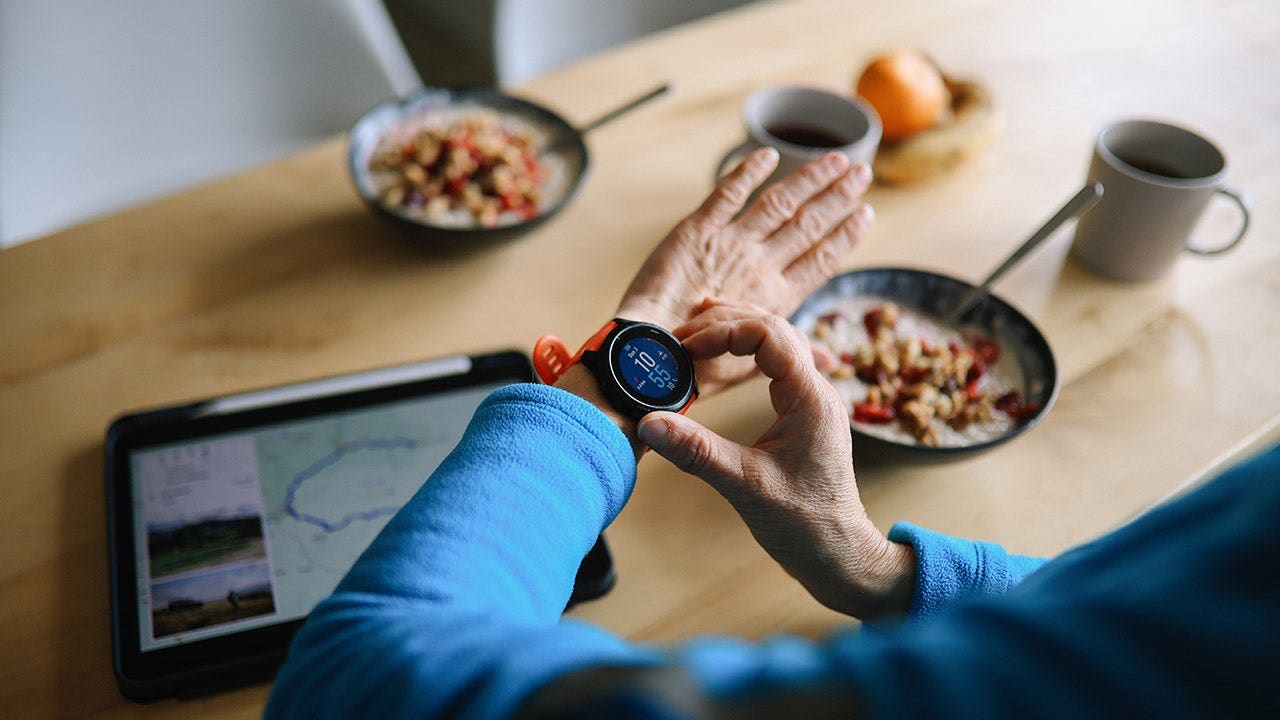
Fox News’ Brian Kilmeade used an Oura ring to track his sleep, heart rate, temperature, and stress levels throughout the day. The wearable device provided real-time data on his physiological responses to various environments. Dr. Craig Basman, a cardiologist, interpreted the data and discussed the clinical implications of such technology. He highlighted the potential of wearable devices in cardiology, particularly in preventative care, screening, and detection of cardiovascular pathology.
Our Reading
The advice sounds familiar.
Wearable devices like smartwatches and rings are becoming increasingly popular as wellness tools. They track various metrics, including sleep, heart rate, and stress levels. Dr. Basman emphasized the importance of treating the data as a catalyst for lifestyle changes. He also mentioned that some devices can detect serious conditions like atrial fibrillation.
The future of cardiology is bright, with wearable devices changing the landscape of preventative care, screening, and detection of cardiovascular pathology.
And yet, the accuracy of these devices is still a topic of discussion, with some data being “incredibly accurate” and others being less reliable.
As we continue to rely on technology to track our health, it’s essential to remember that these devices are only as good as the actions we take based on the data they provide.
After all, a device can’t change our habits, but it can give us the information we need to make a change.
It’s just another phase in the ongoing cycle of health guidance and technology.
Author: Evan Null