Source: Fox News
Summary
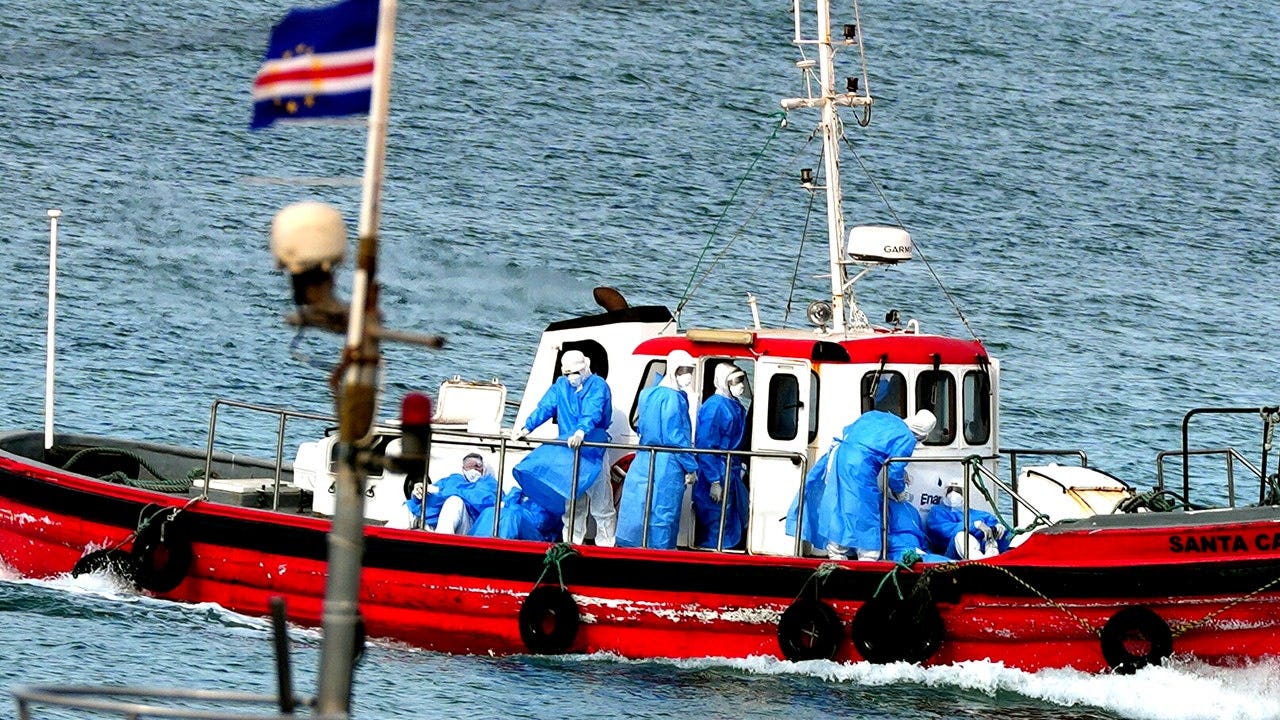
Nearly 40 passengers who were exposed to a deadly hantavirus outbreak on a cruise ship have left the vessel without contact tracing and dispersed across multiple countries. The passengers, representing over a dozen nationalities, returned to their home countries across Europe, Africa, and beyond. At least one passenger who left the ship tested positive for the Andes strain of the hantavirus, a rare variant that can spread between people through close contact. The outbreak has already resulted in at least three deaths and several others have fallen ill. Authorities are scrambling to find the passengers and reconstruct their travel paths to identify anyone who may have been exposed.
Our Reading
The advice sounds familiar.
The hantavirus outbreak on the cruise ship has raised concerns about the spread of the virus through human-to-human contact. The World Health Organization (WHO) has stated that human-to-human transfer is uncommon, but possible. The fact that passengers were able to leave the ship without contact tracing and disperse across multiple countries has made it challenging for authorities to track and identify those who may have been exposed. The situation highlights the importance of proper contact tracing and communication in preventing the spread of infectious diseases. The fact that the passengers were able to travel across continents without being tracked is a familiar scenario in the age of global travel.
The hantavirus outbreak has also raised questions about the safety and cleanliness of the cruise ship. The fact that the virus was able to spread among passengers suggests that there may have been a lapse in safety protocols. The incident has also highlighted the importance of proper cleaning and disinfection procedures in preventing the spread of infectious diseases.
Author: Evan Null