Source: Fortune.com
Summary
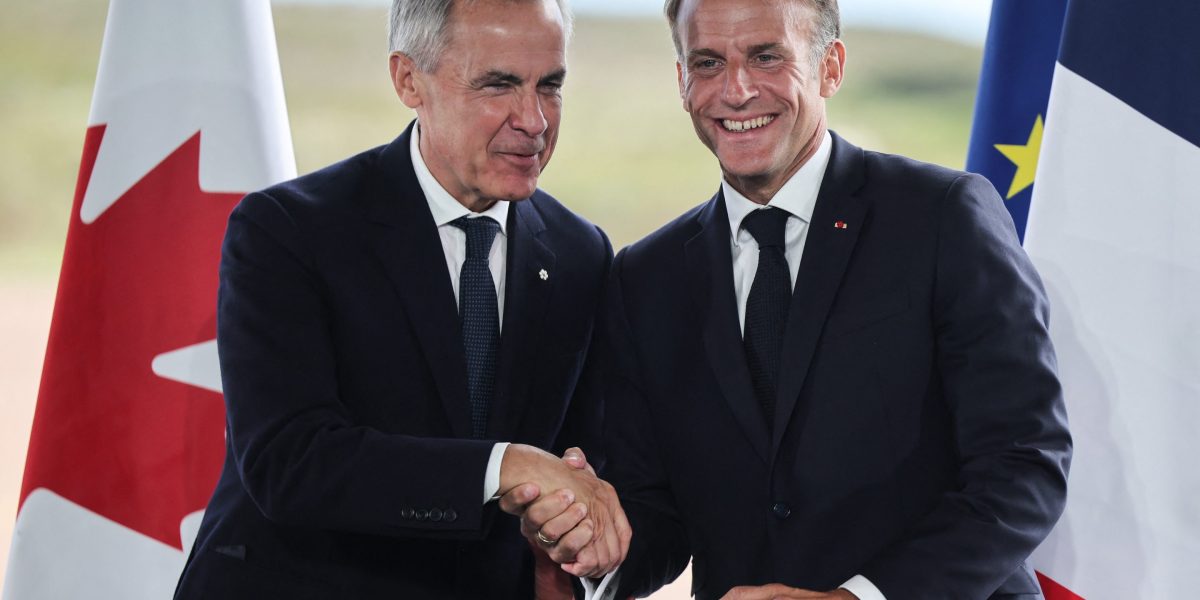
Canadian Prime Minister Mark Carney and French President Emmanuel Macron announced plans to deepen cooperation in space, defense, energy, and business. The agreement includes sharing infrastructure like launch systems and ground facilities. The move comes as Canada seeks to reduce reliance on the U.S. and strengthen ties with Europe. Macron highlighted the importance of securing oil and gas supplies amid the Iran war. Carney emphasized building an alliance based on shared values and resilience.
Our Reading
The numbers tell one story.
Carney and Macron agreed on space and defense cooperation.
They also focused on energy and critical minerals.
Canada aims to reduce U.S. dependency.
France seeks stable energy supplies amid global tensions.
Author: Evan Null
Canada and France Strengthen Strategic Ties
Canadian Prime Minister Mark Carney and French President Emmanuel Macron met to expand cooperation in key areas like space, defense, and energy. The two leaders emphasized the importance of building a resilient alliance that aligns with shared values. This comes as Canada looks to diversify its economic and security partnerships beyond the United States. The agreement includes infrastructure sharing, such as launch systems and ground-based facilities, to support future projects.
Focus on Energy and Critical Minerals
Macron highlighted the importance of securing oil and gas supplies as global energy markets face disruption due to the Iran war. Canada, with its significant resources in critical minerals and rare earths, is positioned to play a key role in this effort. The two leaders discussed agreements to increase liquefied natural gas shipments to Europe’s Atlantic coast. This aligns with broader European efforts to reduce dependence on Russian energy and stabilize supply chains.
Reducing Reliance on the United States
Carney has been vocal about Canada’s need to reduce economic vulnerability by strengthening ties with Europe. Recent U.S. trade pressures, including tariffs and demands for concessions, have accelerated this shift. The potential for Canada to become an associate member of the European Union further underscores this strategic move. By deepening relationships with European partners, Canada aims to create a more balanced and secure economic foundation.
Defense and Technology Collaboration
The agreement includes expanding defense and technology cooperation, covering sectors like aerospace, quantum computing, satellites, and supercomputing. These areas are seen as critical for future economic growth and national security. The collaboration is expected to foster innovation and create new opportunities for Canadian and French companies. It also reflects a broader trend of nations investing in strategic industries to maintain global competitiveness.
Global Tensions and Geopolitical Shifts
The meeting took place against the backdrop of rising global tensions, including the U.S. military presence in Greenland and the ongoing Iran war. Macron welcomed the U.S.-Denmark agreement on Greenland, calling it a positive step for international stability. This reflects a broader effort by European leaders to navigate complex geopolitical landscapes while maintaining strong alliances. Canada’s strategic pivot toward Europe is part of this evolving global dynamic.