Source: Fortune
Summary
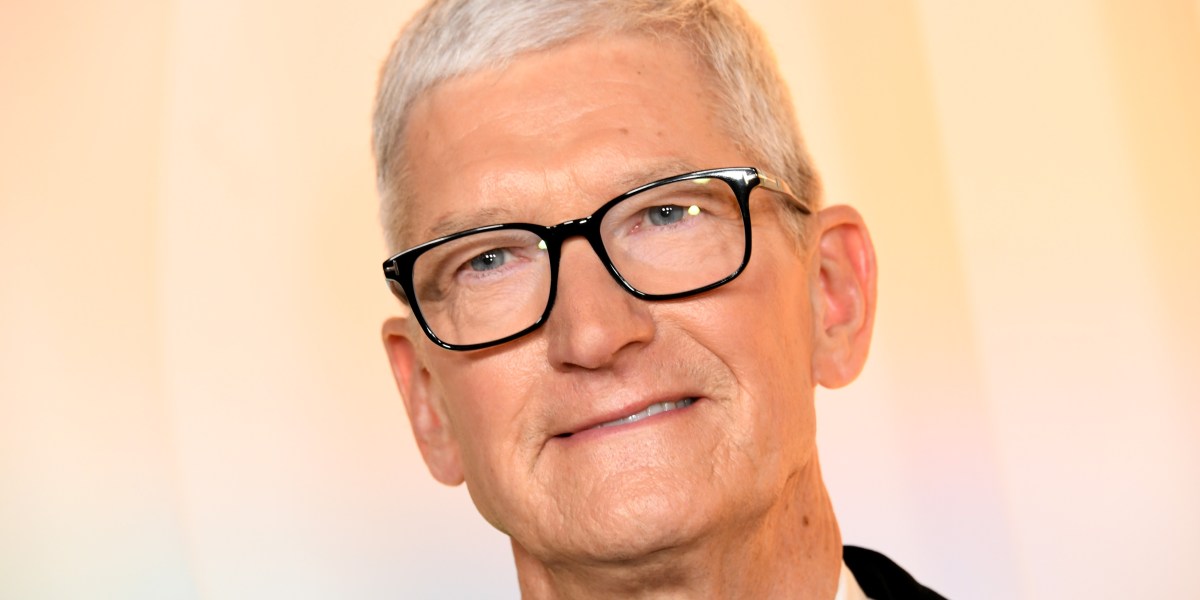
A recent analysis by Compensation Advisory Partners found that corporate boards are using various techniques to protect CEO compensation from uncertainties such as tariffs and economic downturns. The analysis of 50 public companies revealed that total pay for CEOs in 2025 rose 8% year-over-year, with annual bonus payouts up 4%. The study also found that companies are using conservative targets, widened performance curves, and flattened payout ranges to shield CEO compensation. Apple’s board set modest targets for CEO Tim Cook and his team, which they easily surpassed, allowing them to receive maximum bonus payouts. Other companies, such as HP, used tariff carveouts to adjust their bonus calculations.
Our Reading
The numbers tell one story. Apple’s board set conservative targets for CEO Tim Cook and his team, which they easily surpassed, allowing them to receive maximum bonus payouts. HP used a tariff carveout to adjust its bonus calculations. The analysis found that companies are using various techniques to protect CEO compensation from uncertainties. The strategy enters a familiar phase. Corporate boards are shielding CEO compensation from uncertainties, and it’s business as usual.
The announcement sounds familiar. Companies are using conservative targets, widened performance curves, and flattened payout ranges to shield CEO compensation. The same broad pattern appeared in Apple’s fiscal years 2023 and 2024, when the company set at least one target at or below the prior year’s actual results. The intent is to “get it right” and account for what is both in and out of the executive team’s control—and set realistic goals.
But when the unexpected happens, it is good to have a plan and parameters for evaluating results and ensuring pay aligns with performance. That way, the conversations at the end of the year will be less about pure board discretion and more about evaluating outcomes within the performance framework.
And so, the Iran conflict erupts, and companies are likely to look for precedent, including how boards responded to the Iraq invasion in 2003. The Compensation Advisory Partners analysis published on Friday covered 50 public companies with revenues ranging from $1.1 billion to $416 billion.
The strategy is clear: shield CEO compensation from uncertainties, and business will continue as usual.
Author: Evan Null