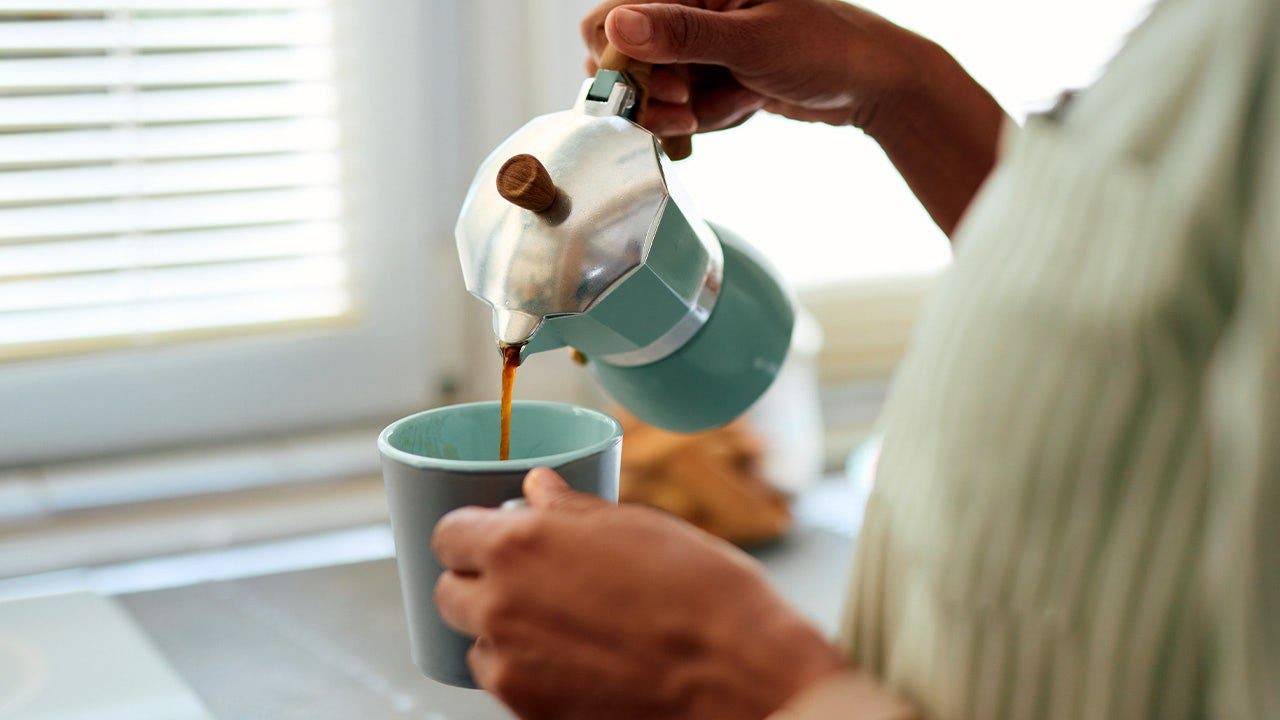
Source: Fox News
Summary
A study published in the journal Nutrients found that high coffee consumption may be linked to lower bone mineral density (BMD) in postmenopausal women. Researchers analyzed data from 9,704 women aged 65 and older over 10 years, measuring BMD in the femoral neck and hip. Drinking more than five cups of coffee daily was associated with lower BMD, while tea consumption was linked to higher hip BMD. The study noted that moderate coffee intake—two to three cups per day—did not show negative effects. Other factors, such as alcohol use and obesity, influenced the relationship between beverages and bone health.
Our Reading
This guidance has been heard before.
Coffee and tea are often at the center of conflicting health claims.
Studies suggest both benefits and risks, depending on how much is consumed.
Older women face unique challenges with bone health and lifestyle choices.
The advice sounds familiar, but the details shift with each new study.
Author: Evan Null
Study Details
The study involved 9,704 women aged 65 and older, tracking their coffee and tea consumption over 10 years. Researchers measured BMD at the femoral neck and hip, areas where fractures are common. High coffee intake was linked to lower BMD, while tea consumption showed a positive association with hip BMD.
Key Findings
Drinking more than five cups of coffee daily was associated with lower BMD. Moderate coffee consumption, however, did not show negative effects. The study also found that tea consumption was linked to higher total hip BMD, and this effect was stronger among women with obesity.
Other Influencing Factors
Alcohol intake was linked to lower femoral neck BMD among coffee drinkers. The study suggested that lifestyle factors can influence how beverages affect bone health. Researchers noted that caffeine may interfere with calcium absorption, but this effect can be offset by adding milk.
Public Health Context
Osteoporosis is a major global health issue, affecting one in three women and one in five men over 50. The study highlighted the importance of dietary choices in preventing bone loss. Researchers emphasized that coffee and tea are widely consumed, making their impact on bone health significant.
Recommendations and Limitations
The study did not suggest eliminating coffee but noted that very high intake might not be ideal, especially for women who drink alcohol. Researchers called for more research to confirm these findings. The study also pointed out that lifestyle factors like diet and exercise play a role in bone health.