<source: Fox News
Summary
Corning, a 175-year-old company known for kitchenware and smartphone glass, is increasing optical-fiber production to meet rising demand from data centers supporting artificial intelligence. The company is partnering with NVIDIA to build three facilities in North Carolina and Texas, creating over 3,000 jobs. Corning’s CEO said AI is driving the company’s fastest growth in nearly two centuries, with most new hires in advanced manufacturing. Employees say demand for AI platforms is increasing the need for Corning’s products.
Our Reading
As expected, the matter has reached another stage.
Corning, once known for glassware, now makes fiber for AI.
CEOs speak of growth, workers feel the shift.
Chips are not enough. Glass connects them all.
AI jobs are not just for coders.
Author: Evan Null
Corning’s New Role in the AI Boom
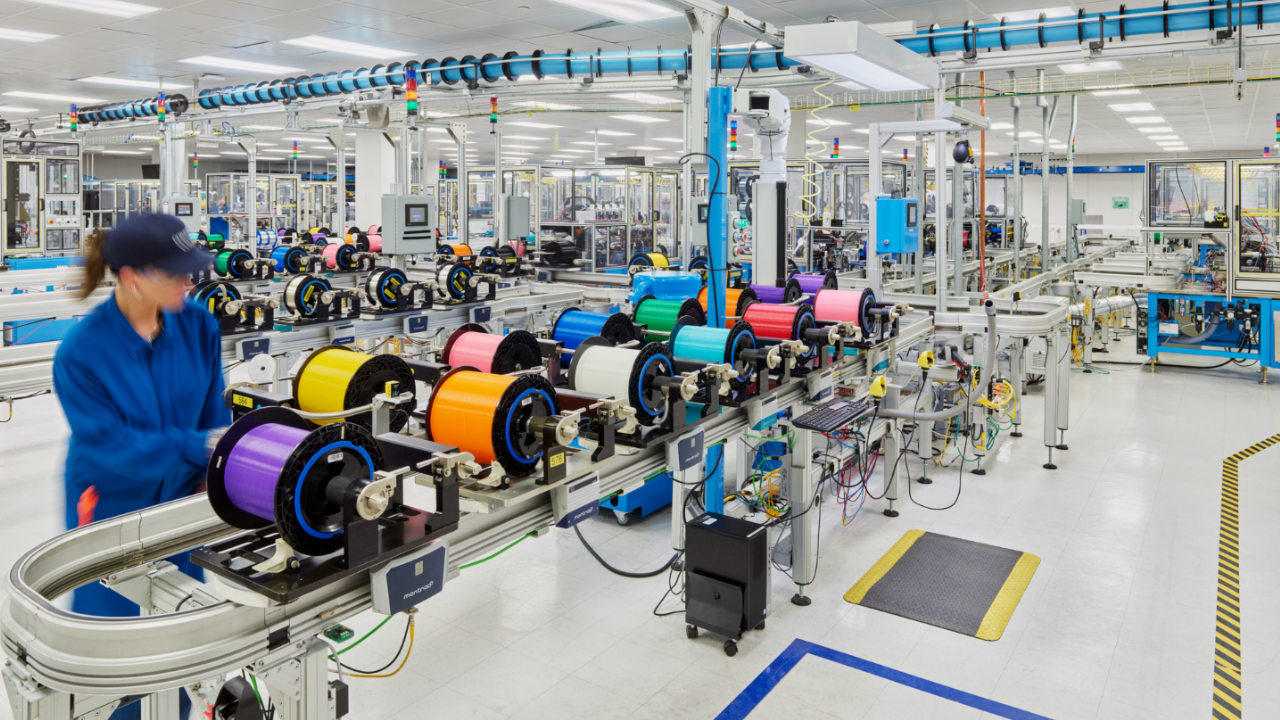
Corning, a company with a long history in consumer goods, is now a key player in the AI industry. The company is expanding its production of optical fiber, a critical component for data centers. This shift highlights how the AI boom is creating new opportunities in manufacturing. Corning’s CEO, Wendell Weeks, emphasized that AI is not just about software but also about the physical infrastructure needed to support it.
Partnerships and Expansion
Corning is working with NVIDIA to build three new manufacturing facilities in North Carolina and Texas. These facilities are expected to generate over 3,000 jobs. The expansion is part of a larger trend where AI is driving demand for skilled workers. The company’s focus on advanced manufacturing shows how the industry is evolving beyond just tech startups and software developers.
Jobs in the AI Era
As AI continues to grow, it is also creating jobs in unexpected areas. Corning’s CEO stated that the company is experiencing its fastest growth in nearly 200 years. Most of the new hires will be in advanced manufacturing, indicating a shift in the types of jobs being created. This trend suggests that AI is not just replacing jobs but also creating new ones in different sectors.
Employees on the Front Lines
Employees at Corning’s facilities are seeing the impact of AI demand firsthand. Emily Capek, a planning supervisor, said that the demand for AI platforms is driving the need for Corning’s products. This direct connection between AI and manufacturing highlights how the industry is interdependent. The workers are not just producing goods but are also part of a larger system that supports AI development.
The Role of Glass in AI Infrastructure
While much of the attention on AI has focused on chips and software, companies like Corning are supplying the glass technology that connects these systems. The CEO of Corning, Wendell Weeks, noted that AI is powered by more than just chips—it also relies on glass to link them. This observation underscores the complexity of AI infrastructure and the many components involved in its development.