Source: Fortune.com
Summary
Treasury Secretary Scott Bessent announced an “economic onslaught” against Iran and its trading partners, but countries like China and the UAE have largely ignored the threats. Despite U.S. sanctions on UAE-based branches of Egypt’s Banque Misr, the actions fell short of expectations. Analysts criticized the lack of impact, with one former official calling the campaign a continuation of long-standing sanctions without a clear path to victory. The U.S. faces challenges in pressuring China, which buys 90% of Iran’s oil, and maintaining global support for its strategy.
Our Reading
The numbers tell one story.
Bessent promised a major sanction but delivered a minor one.
China and the UAE ignored the threat.
Flights and banks still operate between Iran and key partners.
Sanctions without China are a symbolic gesture, not a strategy.
Author: Evan Null
Key Developments
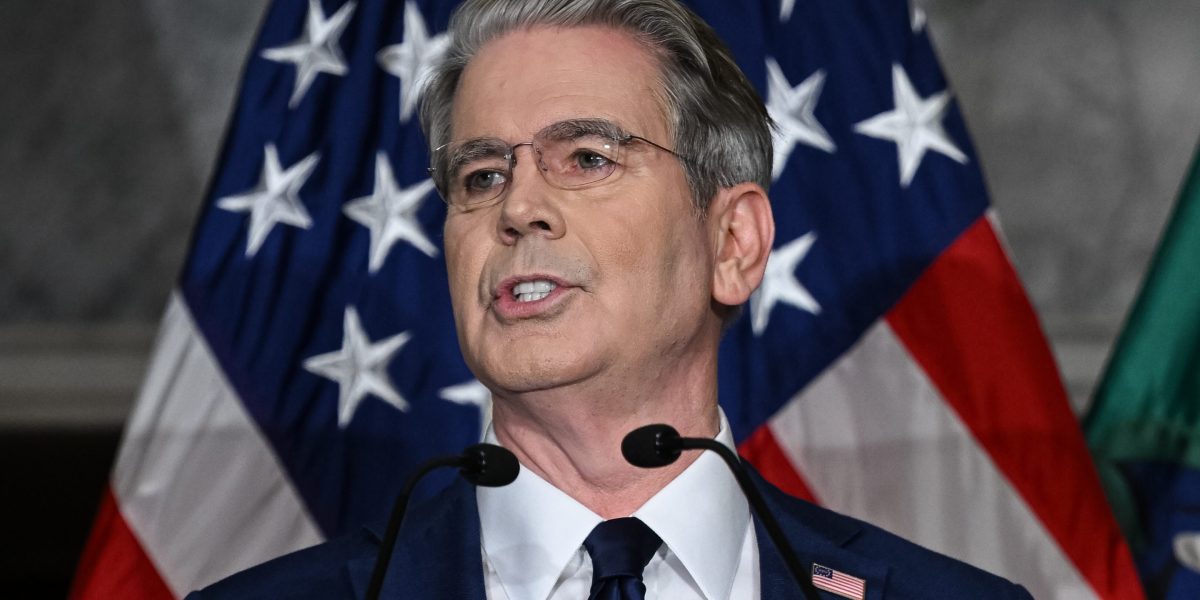
Treasury Secretary Scott Bessent launched an “economic onslaught” against Iran, vowing to target its trading partners. The move came amid concerns over Iran’s continued oil exports and regional influence.
China, which purchases 90% of Iran’s oil, issued a defiant warning to the U.S. and did not back down from its trade ties with Tehran. Iranian banks in Dubai and Abu Dhabi remained open, showing little disruption.
Commercial flights between Iran and Turkey, the UAE, Thailand, and Azerbaijan continued, despite previous promises to cut ties. The UAE, a U.S. ally, also maintained some financial links with Iran.
The U.S. sanctioned UAE-based branches of Egypt’s Banque Misr, but the move was seen as underwhelming compared to Bessent’s earlier threats of a “major announcement.”
Analysts criticized the lack of impact, noting that the campaign lacked a clear strategy to force Iran to comply with U.S. demands.
Global Response
China’s defiance highlighted the limitations of U.S. economic pressure, as the country remained a major buyer of Iranian oil. The U.S. faced a dilemma in targeting China without risking broader economic consequences.
The UAE, despite cutting financial ties with Iran, continued to host Iranian banks and maintain some trade links. The government described its actions as a “sovereign decision” based on its national interests.
Turkey and Pakistan also showed little immediate response to U.S. pressure, with officials stating they had not received formal guidance on how to implement new restrictions.
U.S. officials engaged in “quiet diplomacy” with the UK and other allies, but the lack of a unified front weakened the effectiveness of the sanctions campaign.
Analysts warned that without targeting China, the U.S. would struggle to achieve meaningful results in its economic campaign against Iran.
Strategic Challenges
Bessent compared the U.S. response to the D-Day invasion, but the move was unilateral and lacked international support. The Treasury Department faced criticism for not coordinating with allies before taking action.
The U.S. risked destabilizing the global financial system by moving too quickly or too aggressively against Iran. Bessent acknowledged this concern, highlighting the delicate balance required.
Despite the rhetoric, the sanctions did not significantly disrupt Iran’s economy or force it to change its behavior. The campaign appeared more symbolic than strategic.
Analysts argued that the U.S. needed a clearer plan to achieve its goals, rather than relying on repeated sanctions that had little impact.
The lack of a coordinated approach and the continued support for Iran from key partners undermined the effectiveness of the U.S. strategy.
Political and Economic Risks
The U.S. faced political risks by not addressing China’s role in Iran’s economy. Sanctions against China could lead to retaliation and economic fallout, making the strategy less viable.
Iran’s continued access to global markets and trade routes suggested that the U.S. was not close to achieving its goals. The country remained resilient despite years of sanctions.
Analysts warned that the U.S. could lose credibility if it failed to deliver on its promises. The lack of a clear path to victory raised questions about the long-term viability of the campaign.
Regional allies like the UAE and Turkey showed little enthusiasm for the U.S. approach, indicating a lack of broader support for the sanctions.
The U.S. strategy appeared to be more about signaling than achieving tangible results, raising doubts about its effectiveness.
Future Outlook
The U.S. will need to decide whether to escalate pressure on China or find alternative ways to weaken Iran’s economy. The current approach has not produced the desired outcomes.
Bessent is expected to discuss the issue with other finance ministers at the G20 meeting, but the lack of a unified strategy remains a challenge.
Analysts believe that without a clear plan, the U.S. will continue to face resistance from key partners and limited success in its campaign against Iran.
The administration’s credibility is at stake, and the lack of progress could lead to further criticism and a loss of support for its approach.
The long-term effectiveness of the sanctions remains uncertain, with no clear path to achieving the U.S.’s goals.