Source: Fortune.com
Summary
Crypto traders launched multiple memecoins after reports of Dolly Parton’s death, including “Dolly,” “DollyParton,” and “RIP Dolly Parton.” These tokens, often based on online trends, saw rapid price spikes before crashing. Similar patterns emerged after the deaths of Liam Payne, Charlie Kirk, and Ozzy Osbourne. Memecoins have become a recurring trend in crypto, with platforms like Pump.fun and Robinhood Chain enabling quick token creation. Despite high-profile failures, such as the TRUMP and MELANIA tokens, memecoins remain popular. Robinhood Chain, launched in July 2026, saw rapid memecoin trading, including the Cash Cat token, which reached a $150 million market cap.
Our Reading
The numbers tell one story.
Memecoins followed a viral death with a quick launch.
Prices spiked then crashed, as usual.
Insiders sold off, as they always do.
Another trend, another crash, another lesson ignored.
Author: Evan Null
Memecoins and the Death of Dolly Parton
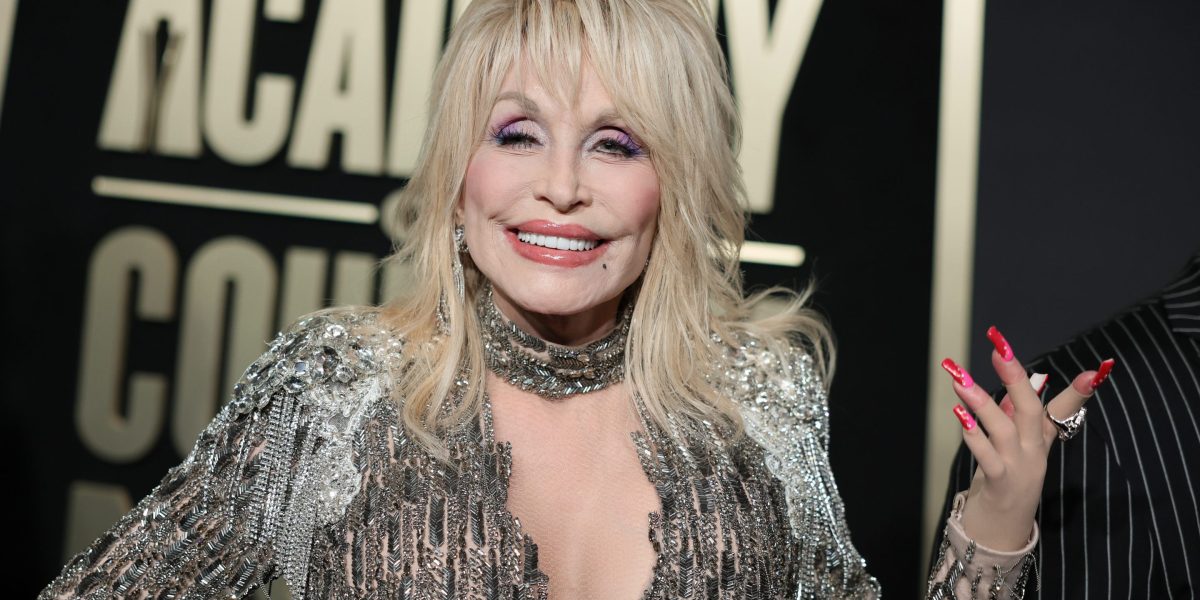
Memecoins once again capitalized on a viral news event, this time using the reported death of Dolly Parton as a catalyst for new token launches. The trend, which has become common in the crypto space, saw multiple tokens named after the country singer, including “Dolly,” “DollyParton,” and “RIP Dolly Parton.” These tokens were created on platforms like Pump.fun and Robinhood Chain, where users can easily mint and trade digital assets.
The initial success of these tokens was short-lived. For example, the “Dolly” token reached a market cap of nearly $480,000 within hours of its launch before plummeting to below $180,000. This pattern of rapid price increases followed by steep declines is a hallmark of memecoins, which are driven more by hype and speculation than by intrinsic value.
This is not the first time that the death of a high-profile figure has been used to fuel a memecoin frenzy. Similar patterns emerged after the deaths of Liam Payne, Charlie Kirk, and Ozzy Osbourne. The trend gained momentum in 2025, when speculative capital flooded into Solana-based memecoins, making it easier for anyone to create and trade these tokens.
Despite the risks, the memecoin market remains active. Robinhood launched its own blockchain, Robinhood Chain, in July 2026, aiming to support tokenized stocks and real-world assets. However, memecoins quickly became the most actively traded assets on the platform, with the Cash Cat token reaching a $150 million market cap within days of its launch.
The repeated cycle of hype, price spikes, and crashes has not deterred traders or creators. Even as public skepticism grows, the memecoin space continues to attract attention, driven by the same forces that have defined it for years.
The Rise and Fall of Memecoins
Memecoins have become a recurring phenomenon in the crypto world, often tied to viral moments or the deaths of celebrities. The latest example is the Dolly Parton memecoin frenzy, which followed the reported death of the country singer. Users on platforms like Pump.fun and Robinhood Chain quickly created tokens in her name, hoping to capitalize on the hype.
These tokens typically experience a sharp rise in value as traders rush to buy them, only to crash shortly after. This pattern has been seen before, with tokens like TRUMP and MELANIA reaching high valuations before collapsing. The same process occurred with the Dolly Parton memecoins, which saw a brief spike before losing most of their value.
The trend is not limited to celebrities. Memecoins have also been linked to political figures, such as former President Donald Trump, whose TRUMP token briefly reached a $8.7 billion market cap before losing 90% of its value. His wife, Melania Trump, also launched a memecoin, which reached a high of nearly $9 before dropping to 11 cents.
Despite the repeated failures, the memecoin market remains active. Platforms like Pump.fun and Robinhood Chain continue to enable the creation and trading of these tokens, often with little regard for long-term value. The Cash Cat token, for example, reached a $150 million market cap within days of its launch, showing that the market is still highly speculative.
The cycle of hype, price spikes, and crashes continues, with no clear end in sight. Traders and creators alike seem to ignore the risks, drawn in by the same forces that have defined the memecoin space for years.
The Role of Platforms in Memecoin Frenzies
Platforms like Pump.fun and Robinhood Chain have played a key role in the memecoin phenomenon. These platforms make it easy for users to create and trade tokens, often with minimal barriers to entry. This has led to a surge in new memecoins, many of which are based on viral trends or the deaths of high-profile figures.
Pump.fun, in particular, has become a hub for memecoin activity. It allows users to launch tokens quickly and cheaply, often with little oversight. This has led to a flood of new tokens, many of which are designed to capitalize on short-term hype rather than long-term value. The Dolly Parton memecoins are a prime example of this trend.
Robinhood Chain, launched in July 2026, was intended to support tokenized stocks and real-world assets. However, it quickly became a hotspot for memecoin trading. The Cash Cat token, named after an early possible name for the brokerage, reached a $150 million market cap within days of its launch. This highlights the continued appeal of memecoins, even on platforms designed for more traditional assets.
The ease of creating and trading memecoins has made these platforms attractive to both traders and creators. However, it has also contributed to the instability of the market, where tokens can rise and fall rapidly based on hype rather than fundamentals.
As long as these platforms continue to enable the creation of memecoins, the cycle of hype and collapse is likely to continue. The Dolly Parton memecoin frenzy is just the latest example of this pattern, which has been repeated many times before.
Memecoins and the Public’s Skepticism
Public skepticism of memecoins has grown in recent years, particularly after high-profile failures like the TRUMP and MELANIA tokens. These tokens, launched by prominent figures, initially saw massive price increases before crashing, leading to widespread criticism of the memecoin market.
Despite this, the market remains active, with new tokens continuing to be created and traded. The Dolly Parton memecoins are a case in point, showing that the same patterns persist even as public trust wanes. Traders and creators seem to ignore the risks, drawn in by the same forces that have defined the memecoin space for years.
The recent trend of using the deaths of celebrities to launch memecoins has also raised concerns. This practice, which has been repeated with figures like Liam Payne, Charlie Kirk, and Ozzy Osbourne, has been criticized as exploitative and unethical. However, it continues to be a common strategy for memecoin creators.
The rise of platforms like Robinhood Chain has also contributed to the continued popularity of memecoins. These platforms, designed for more traditional assets, have become hotspots for speculative trading, with memecoins often dominating the market. The Cash Cat token, for example, reached a $150 million market cap within days of its launch, highlighting the ongoing appeal of these speculative assets.
As long as there is demand for quick profits, the memecoin market is likely to remain active. Even as public skepticism grows, the same forces that have driven the market for years continue to shape its development.
The Future of Memecoins
The future of memecoins remains uncertain, but the trend shows no signs of slowing down. Despite repeated failures and growing public skepticism, new tokens continue to be created and traded, often based on viral moments or the deaths of high-profile figures. The Dolly Parton memecoin frenzy is just the latest example of this pattern.
The role of platforms like Pump.fun and Robinhood Chain has been crucial in enabling the rapid creation and trading of memecoins. These platforms have made it easier than ever for users to launch and trade tokens, often with little oversight. This has led to a surge in new memecoins, many of which are designed to capitalize on short-term hype rather than long-term value.
The repeated cycle of hype, price spikes, and crashes has not deterred traders or creators. Even as public skepticism grows, the memecoin market continues to attract attention, driven by the same forces that have defined it for years. The Cash Cat token, for example, reached a $150 million market cap within days of its launch, showing that the market is still highly speculative.
As long as there is demand for quick profits, the memecoin market is likely to remain active. The Dolly Parton memecoin frenzy is just the latest example of this pattern, which has been repeated many times before. The same forces that have driven the market for years are likely to continue shaping its development in the future.
Whether the memecoin market will continue to thrive or eventually collapse remains to be seen. However, the pattern of hype, speculation, and rapid price swings shows no signs of changing, ensuring that the cycle will continue for the foreseeable future.