Source: Fox News
Summary
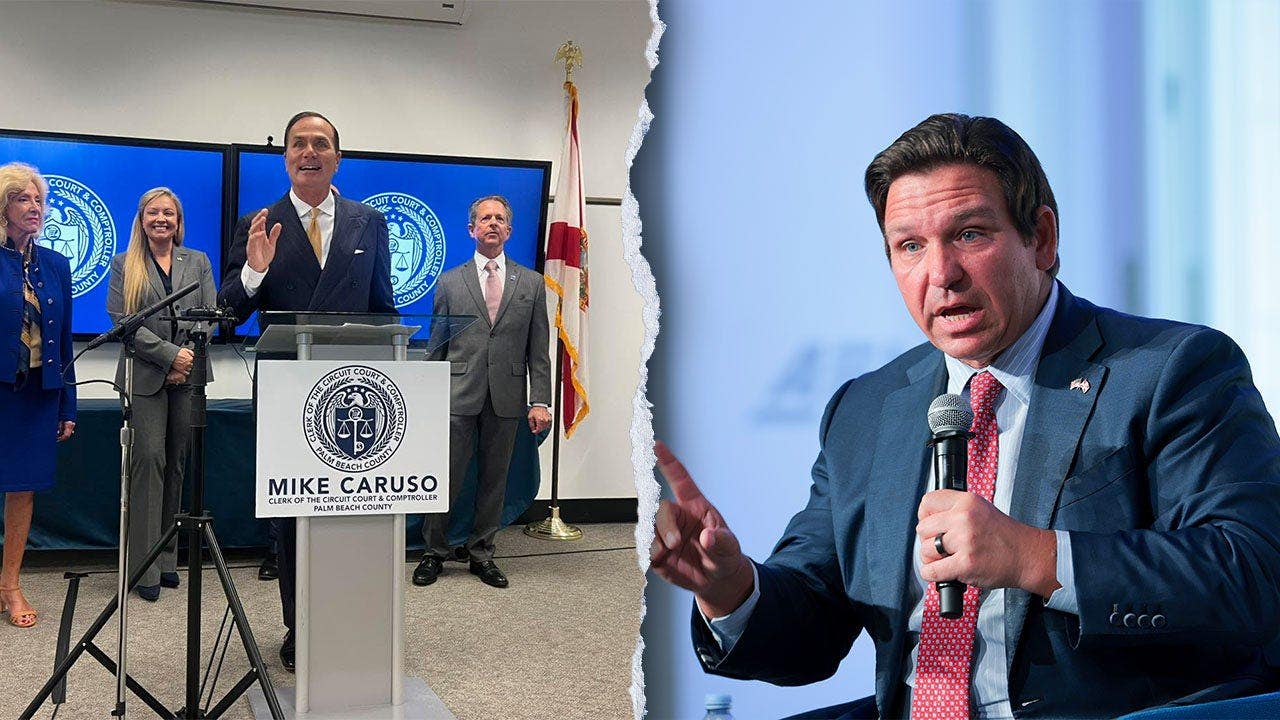
Florida Gov. Ron DeSantis suggested that Michael Caruso, a Palm Beach County clerk, could face the death penalty if convicted of child sex abuse charges. Caruso, 67, was arrested on Tuesday and accused of abusing a young boy multiple times since 2024. He faces charges including kidnapping and child abuse. DeSantis said he would be in for a “world of hurt” if convicted. Florida lawmakers passed a law in 2023 allowing the death penalty for capital sexual battery of a child under 12. However, it is unclear if Caruso’s charges qualify.
Our Reading
As expected, the matter has reached another stage.
DeSantis mentions the death penalty.
Caruso is accused of abuse.
Lawmakers passed a law for pedophiles.
Executions continue in Florida.
Author: Evan Null
Florida Gov. Ron DeSantis and the Death Penalty
Florida Gov. Ron DeSantis has made the death penalty a key part of his rhetoric. He has repeatedly linked it to child abuse cases, suggesting it as a potential punishment for those convicted of serious crimes against children. This approach aligns with his broader political strategy of emphasizing strong penalties for criminal behavior.
DeSantis has spoken about the death penalty in various contexts, including during his time as a state legislator. His current stance reflects a consistent message that has been part of his political identity. This is not the first time he has used the death penalty as a talking point in response to high-profile cases.
Caruso, the clerk, was once seen as a trusted official. His arrest and the subsequent public statements by DeSantis have shifted the narrative. The governor’s comments suggest a political calculation, reinforcing his image as a tough leader on crime.
The law passed in 2023 allows for the death penalty in cases of capital sexual battery of a child under 12. However, the applicability of this law to Caruso’s case remains unclear. Legal experts have noted the uncertainty surrounding how the law might be applied in court.
Florida has carried out 13 executions so far this year, the most of any state. This trend reflects the state’s continued use of the death penalty, even as other states have moved away from it. DeSantis’s comments fit into this broader context of legal and political debate.
Michael Caruso and the Accusations Against Him
Michael Caruso, 67, was appointed as Palm Beach County Clerk of Court by DeSantis. He was suspended after being arrested on Tuesday on charges of child sex abuse. The allegations include multiple instances of abuse, with one involving a seven-day Royal Caribbean cruise. The victim, a young boy, reportedly detailed the abuse to investigators.
Caruso faces charges of kidnapping, lewd or lascivious molestation, and child abuse causing mental injury. The accusations have led to his suspension from his official duties. DeSantis has stated that Caruso could face the death penalty if convicted, though it is unclear if the charges meet the criteria for capital sexual battery.
Caruso was once described as a “clean vet” and well-regarded in the community. His arrest has shocked many, as he was seen as a reliable public official. The governor’s decision to remove him from his post was described as an easy one, suggesting a political and public relations move.
Local media reports indicate that the victim came forward to investigators in Orange County. The case has drawn attention due to the nature of the accusations and the position of the accused. Caruso’s arrest has sparked a broader conversation about accountability and the legal system.
The case also highlights the ongoing debate over the death penalty in Florida. While DeSantis has expressed support for it, legal experts remain cautious about its application. The outcome of Caruso’s case may influence future legal and political discussions around the issue.
The Legal Context and the Death Penalty in Florida
Florida lawmakers passed a law in April 2023 that allows prosecutors to seek the death penalty for those convicted of capital sexual battery of a child under the age of 12. This law was signed into effect by DeSantis, who has since emphasized its importance in his rhetoric. The law aims to provide stronger penalties for child abusers, reflecting a political stance on criminal justice.
However, the applicability of this law to Caruso’s case is unclear. The charges against him do not appear to meet the criteria for capital sexual battery, which raises questions about the governor’s statements. Legal experts have noted that while the law is constitutional, its enforcement remains uncertain, especially if it reaches the U.S. Supreme Court.
Mark Schlakman, a legal expert, has stated that the law would likely pass constitutional muster, but he also noted that the Supreme Court’s potential rulings remain unpredictable. This uncertainty highlights the complexity of applying the death penalty in specific cases, even when laws are in place.
Florida has carried out 13 executions this year, the highest number in the country. This trend shows the state’s continued use of the death penalty, despite national debates over its morality and effectiveness. DeSantis’s comments on Caruso fit into this broader context of legal and political debate.
The governor’s statements on the death penalty have been consistent, reflecting a political strategy that emphasizes strong punishment for serious crimes. This approach has been a key part of his messaging, even as legal and ethical questions remain about the death penalty’s role in the justice system.
Public Reaction and the Political Implications
The public reaction to Caruso’s arrest has been mixed. Many are shocked by the allegations against a former official, while others are concerned about the potential for the death penalty in this case. DeSantis’s comments have drawn attention, as they align with his broader political messaging on crime and punishment.
Caruso was once seen as a trusted figure, which makes the allegations even more surprising. His suspension from his position has led to questions about the integrity of public officials and the processes in place to hold them accountable. The case has also raised concerns about how the justice system handles such accusations.
DeSantis’s statements on the death penalty have been consistent, but the lack of clarity on whether Caruso’s case qualifies for it has sparked debate. Legal experts and the public are watching the case closely, as it could set a precedent for future cases involving child abuse and the death penalty.
The governor’s rhetoric on the death penalty has been a key part of his political identity. He has used it to reinforce his image as a strong leader on criminal justice issues. This case, however, has highlighted the complexities of applying the death penalty in real-world scenarios.
As the case moves forward, it will be important to see how the legal system handles it. The outcome could influence future discussions about the death penalty and its role in addressing serious crimes, especially those involving children.
Florida’s Execution Record and the Death Penalty Debate
Florida has carried out 13 executions this year, the highest number in the country. This trend reflects the state’s continued use of the death penalty, despite growing national opposition to its use. The state has a long history of capital punishment, and its recent executions have drawn attention to the ongoing debate over its morality and effectiveness.
The most recent execution took place on Tuesday, when William Francis Silvia, 61, was put to death for fatally shooting his estranged wife. This case, like others, has sparked discussions about the legal and ethical implications of the death penalty. The state’s record shows that it remains committed to using capital punishment, even as other states have moved away from it.
DeSantis has been a vocal supporter of the death penalty, and his statements on Caruso’s case reflect this stance. He has emphasized the need for strong penalties for child abusers, suggesting that the death penalty is an appropriate punishment in certain cases. However, the lack of clarity on whether Caruso’s charges qualify for the death penalty has raised questions about the consistency of this approach.
The governor’s comments have also been seen as a political move, reinforcing his image as a tough leader on criminal justice issues. This case, like others, has highlighted the complex relationship between politics and the justice system. The outcome of Caruso’s case may influence future legal and political discussions about the death penalty.
As the debate over the death penalty continues, Florida’s record and the governor’s rhetoric will remain central to the conversation. The state’s approach to capital punishment reflects broader national trends, even as it maintains its own unique position in the ongoing discussion.