Source: Fortune.com
Summary
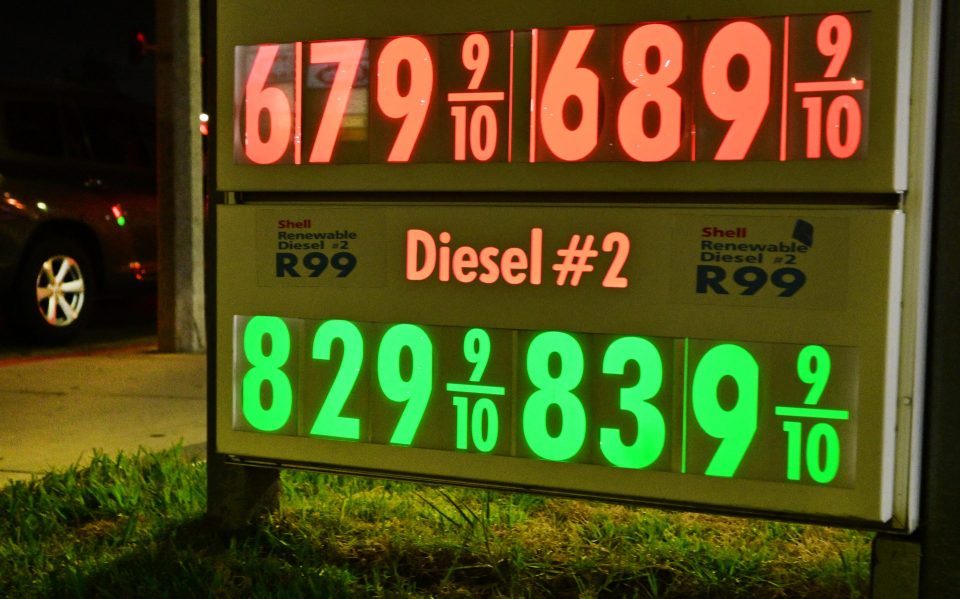
Diesel prices have fallen from a peak of $6.528 per gallon but remain 71% higher than a year ago, according to AAA. The national average is now $6.277. U.S. crude oil prices have risen 56% year-over-year, driven by supply disruptions in the Middle East and Russia. Diesel, a key input for manufacturing and logistics, has contributed to rising inflation, with Amrita Sen of Energy Aspects noting that diesel prices now drive inflation more than crude oil. The Federal Reserve has priced in higher interest rates due to persistent inflation, and Treasury yields have correlated more closely with diesel than crude for the first time. President Trump has taken steps to ease diesel costs, including deferring a federal tax and securing Russian diesel supplies, but experts say these measures offer limited relief.
Our Reading
The numbers tell one story.
Diesel prices remain high despite recent declines.
Crude oil and diesel prices have diverged sharply.
Trump’s actions are seen as symbolic, not impactful.
High fuel costs are reshaping economic and political dynamics.
Author: Evan Null
Key Developments
Diesel prices have declined from a peak of $6.528 per gallon but remain 71% above year-ago levels, according to AAA. The national average is now $6.277. U.S. crude oil prices have risen 56% year-over-year, driven by supply disruptions in the Middle East and Russia.
Impact on Inflation and Markets
Diesel, a critical input for manufacturing, agriculture, and logistics, has contributed to rising inflation. Amrita Sen of Energy Aspects noted that diesel prices now drive inflation more than crude oil. The Federal Reserve has priced in higher interest rates due to persistent inflation, and Treasury yields have correlated more closely with diesel than crude for the first time.
Trump’s Actions on Diesel
President Trump has taken steps to ease diesel costs, including deferring a federal tax and securing Russian diesel supplies. However, experts say these measures offer limited relief. Farmers and truckers have criticized the executive order, noting that the 24-cent federal tax is negligible compared to the $2.60 per gallon increase over the past year.
Reactions to Trump’s Russian Deal
Energy experts have questioned the effectiveness of Trump’s deal with Russia to supply diesel. Michael Lynch of the Energy Policy Research Foundation called the move “shuffling deck chairs on the Titanic,” suggesting it would not significantly lower prices. The deal also contradicts recent U.S. sanctions on Russian energy, raising questions about its long-term impact.
Political Implications
Despite Trump’s efforts, the Politico Poll shows that even a drop in gas prices or an end to the Iran war may not significantly boost Republican support. Just 10% of undecided voters said they would be more likely to vote for a Republican if gas prices dropped by $1 a gallon. A GOP operative told Politico that no one would believe Trump’s actions at this point.