Source: Fortune
Summary
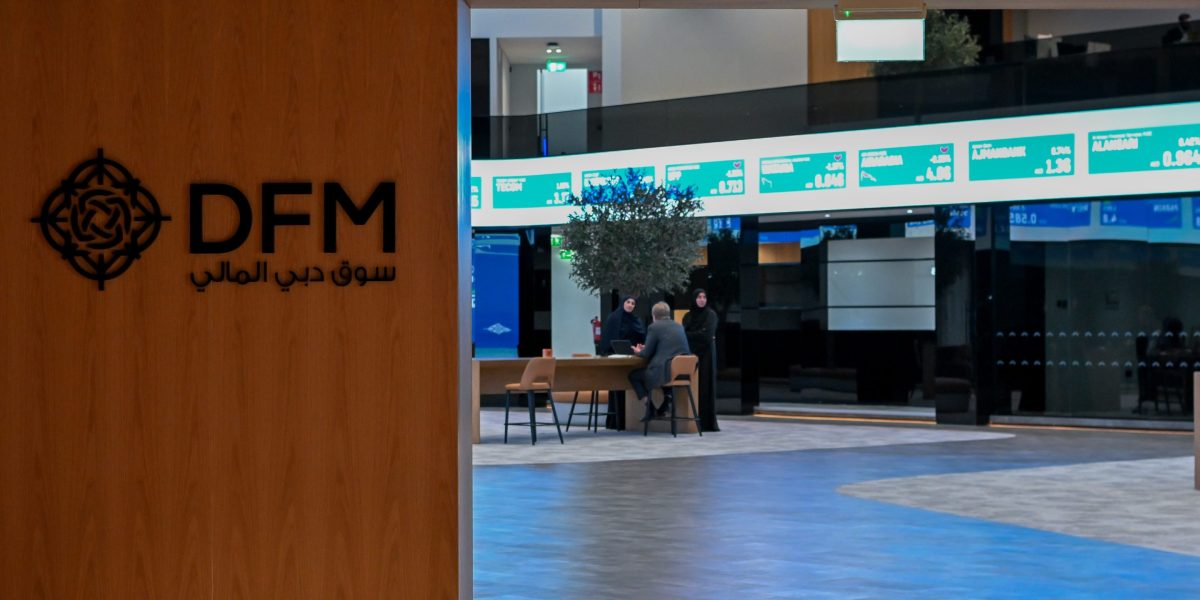
Dubai’s retail trading activity has grown significantly, with the Dubai Financial Market’s trading value rising 40% year-on-year to $32.5 billion in the first half of 2026. Abu Dhabi’s exchange saw $46.6 billion in trades. Tarik Chebib, CEO of Capital.com Middle East, attributed the rise to the region’s influx of risk-taking expats and the impact of global events like Trump’s statements and the war. Chebib noted that retail trading in the UAE is now comparable to Singapore, a shift from five years ago. Traders are betting on gold, oil, AI, and U.S. equities, with Trump’s pronouncements acting as key market signals.
Our Reading
The numbers tell one story.
Dubai’s trading value jumped 40% in 2026.
UAE retail trading now rivals Singapore.
Trump’s statements drive market activity.
Expats bring risk-taking culture to the Gulf.
Author: Evan Null
Trump’s Influence on Gulf Markets
Donald Trump’s statements are increasingly influencing trading activity in the UAE. Investors are reacting to his pronouncements as if they were market signals, showing how his presence affects regional financial behavior.
The UAE’s retail trading market has grown rapidly, with trading values reaching $32.5 billion in Dubai and $46.6 billion in Abu Dhabi in the first half of 2026. This growth is seen as a shift from a niche activity to a more mainstream investment trend.
Tarik Chebib, CEO of Capital.com Middle East, said that the influx of expats into the UAE has created a more risk-tolerant investor base. These individuals, many of whom have already taken a major financial gamble by moving to the Gulf, are now more open to trading and investing.
Chebib noted that the rise in retail trading was accelerated by the pandemic, as more people began to manage their own money rather than rely on traditional banking systems. This shift is particularly notable in a region where traditional financial safety nets are less common.
The UAE’s trading activity is not limited to local markets. Traders are also investing in U.S. equities, with products from the Nasdaq and S&P 500 remaining popular. As the market evolves, traders are preparing for what comes next, with Trump’s influence continuing to shape their decisions.
Expats and Risk-Taking Culture
The UAE’s growing expat population has played a key role in the rise of retail trading. Many of these individuals are entrepreneurs, financiers, and executives who have already taken significant financial risks by relocating to the region.
This risk-taking culture has helped create a more receptive audience for retail investing. In the past, discussions about brokerage accounts were rare, but today, most clients at Capital.com have prior trading experience.
Chebib said that the lack of traditional financial safety nets in the UAE has also pushed many to explore alternative investment options. With no guaranteed pensions or social security, expats are turning to trading as a way to secure their financial future.
The UAE’s retail trading market has grown so quickly that it is now comparable in size to Singapore. This is a significant shift for a market that was largely overlooked just a few years ago.
The influence of global events, including the war, the rise of AI, and the volatility of gold and oil prices, has further driven trading activity. Investors are constantly adjusting their strategies to keep up with the changing landscape.
Market Shifts and New Opportunities
The UAE’s trading market has seen a shift in focus over the years. Initially, gold was a major driver of retail trading, but the war and the rise of oil prices have changed the landscape.
More recently, the interest has shifted to AI and U.S. equities. Traders are now looking at products from the Nasdaq and S&P 500, showing a growing appetite for international markets.
Chebib said that Gulf traders are already positioning themselves for what comes next. This suggests that the market is not just reacting to current events but is also looking ahead to future opportunities.
With the UAE’s trading activity growing rapidly, it’s clear that the region is becoming a more significant player in the global financial landscape. The influence of global events and key figures like Donald Trump continues to shape the direction of the market.
The rise of retail trading in the UAE reflects a broader trend of financial empowerment among expats and local investors. As the market evolves, it will be interesting to see how it continues to develop in the coming years.
Global Events and Local Markets
Global events have a direct impact on the UAE’s trading activity. The war, the rise of AI, and the fluctuating prices of gold and oil have all played a role in shaping investor behavior.
Traders in the UAE are not just reacting to local conditions but are also influenced by international developments. This is evident in the popularity of U.S. equities, which remain a key focus for many investors.
Donald Trump’s statements have become a key factor in market movements. His pronouncements are now treated as signals that can influence trading decisions almost instantly.
Chebib said that the UAE’s trading market is now more sophisticated than it was just a few years ago. This suggests that investors are becoming more informed and strategic in their approach to trading.
As the market continues to grow, it will be important to monitor how global events and local trends shape the future of retail trading in the UAE.
The Role of Social and Economic Factors
The UAE’s unique social and economic environment has contributed to the rise of retail trading. The lack of traditional financial safety nets has pushed many to explore alternative investment options.
Expats, who make up a significant portion of the UAE’s workforce, are often more open to taking financial risks. This has helped create a culture of investment and trading that is now more widespread than ever before.
Chebib noted that the pandemic accelerated the shift toward retail trading. More people began to take control of their finances, moving away from traditional banking and toward more active investment strategies.
The UAE’s trading market has grown rapidly, with the retail sector now comparable to Singapore. This is a significant achievement for a market that was largely overlooked just a few years ago.
As the market continues to evolve, it will be interesting to see how social and economic factors continue to shape the behavior of investors in the region.