Source: Fox News
Summary
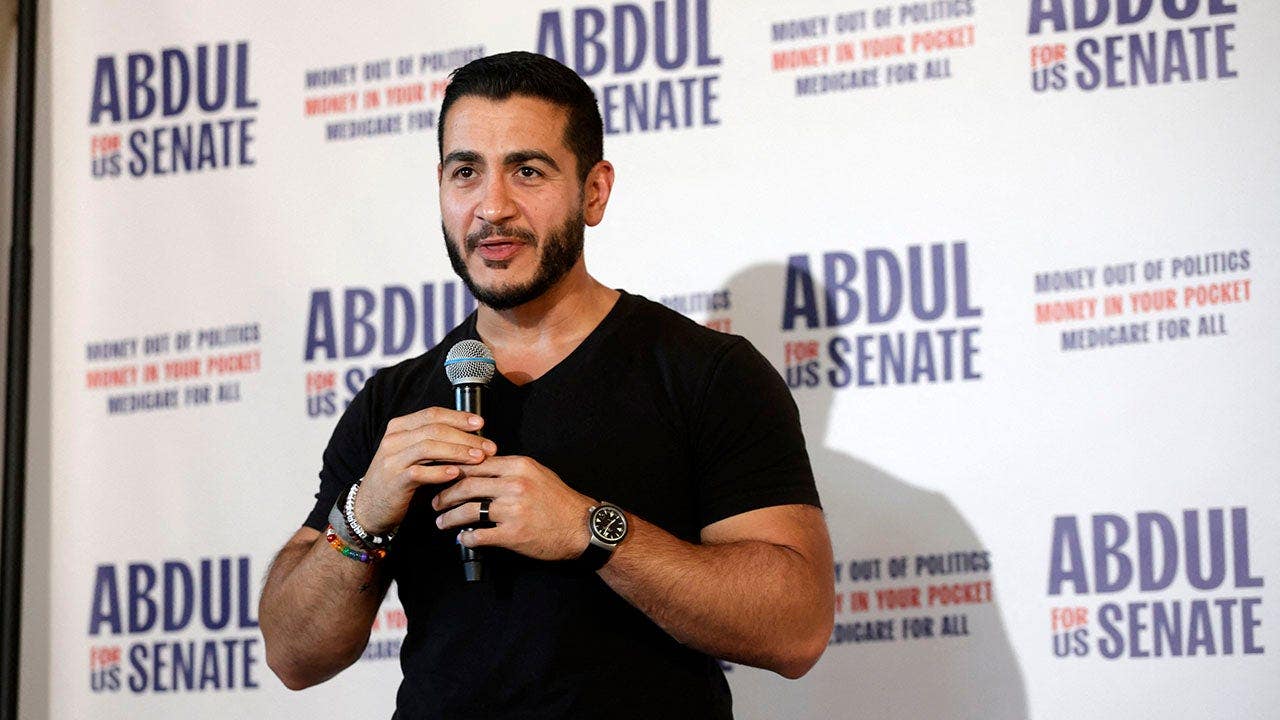
Michigan Democratic Senate nominee Abdul El-Sayed denied ties to socialism, but Republican state Rep. Bill G. Schuette claimed his policies align with the Democratic Socialists of America (DSA) and warned voters will reject him in November. El-Sayed, a former public health official, narrowly defeated Haley Stevens in the primary, securing support from figures like Bernie Sanders and Alexandria Ocasio-Cortez. Schuette criticized El-Sayed’s policies, including Medicare for All and abolishing ICE, and questioned his connection to Michigan. El-Sayed faces Republican Mike Rogers in the general election.
Our Reading
As expected, the matter has reached another stage.
Schuette repeats the same arguments about socialism.
El-Sayed denies the label but keeps allies who use it.
He claims to support capitalism but wants more regulation.
Both sides act as if this is a new battle, not a repeating one.
Author: Evan Null
Michigan’s Political Theater
The political drama in Michigan continues to unfold with familiar patterns. Abdul El-Sayed, the Democratic Senate nominee, denies any socialist ties, but his opponents, like Rep. Bill G. Schuette, insist otherwise. This exchange is not new; it mirrors past debates over progressive candidates and their policies. The same arguments about socialism, capitalism, and the role of the state are repeated, as if each election is the first time they’ve been raised.
El-Sayed’s campaign has drawn support from prominent figures like Bernie Sanders and Alexandria Ocasio-Cortez, reinforcing the perception that he represents a leftward shift in the Democratic Party. Yet, he maintains that he is not an ideologue, but a problem-solver. This contradiction is a common thread in political rhetoric, where candidates deny labels while aligning with movements that embrace them.
Schuette’s warnings about El-Sayed’s policies reflect a broader concern within the Republican Party about the Democratic Party’s shift toward progressive ideas. He argues that El-Sayed’s agenda is out of step with the values of Michigan voters. This sentiment is not unique to Michigan; it echoes similar concerns in other states where progressive candidates have gained traction.
The discussion around El-Sayed also includes his association with figures like Hasan Piker, whose controversial statements have drawn criticism. El-Sayed has distanced himself from Piker, but the connection remains a point of contention. This highlights how political campaigns are not just about policy, but also about the people and ideas that surround a candidate.
As the midterms approach, the focus remains on how voters will respond to the growing influence of the DSA and other progressive groups. The battle over the Democratic Party’s direction is not just about ideology, but about who gets to define the party’s future. This dynamic is likely to continue, with each election reinforcing the same patterns of debate and performance.
The Performance of Political Labels
Political labels are not just words; they are tools used to shape public perception. El-Sayed denies being a socialist, but his policies and allies suggest otherwise. This contradiction is not unique to him; it is a common strategy in politics, where candidates distance themselves from controversial terms while aligning with movements that embrace them. The repetition of these arguments shows how political discourse often functions as a performance, with each side playing a familiar role.
Republicans like Schuette use the term “socialist” to frame their opposition, while Democrats like El-Sayed reject it. This back-and-forth is not new; it has played out in previous elections and will likely continue in the future. The use of such labels is not just about ideology, but about influence and control over the narrative. Each election becomes a stage where these roles are reenacted, with little change in the script.
The repetition of these arguments also highlights how political debates often lack originality. The same points are made, the same terms are used, and the same strategies are employed. This creates a sense of familiarity, where voters are expected to recognize the same patterns in each campaign. It is a performance that feels inevitable, with each candidate playing a role that has been seen before.
El-Sayed’s campaign is not just about policy; it is about identity. He claims to be a problem-solver, but his associations and policies suggest a different narrative. This tension between self-identity and public perception is a common theme in politics. Candidates must navigate the expectations of their party, their allies, and their opponents, all while maintaining a coherent image.
The political theater in Michigan is a microcosm of a larger trend. As progressive candidates gain traction, the debate over their influence becomes more intense. This is not just about the future of the Democratic Party, but about the broader political landscape. The performance of political labels and the repetition of familiar arguments will continue to shape the narrative, even as the players change.
The Ritual of Political Opposition
Political opposition is not just about policy disagreements; it is a ritual that follows a familiar pattern. When a progressive candidate like El-Sayed gains momentum, the response from opponents is predictable. They repeat the same arguments, use the same labels, and frame the issue in the same way. This ritual is not just about the candidate, but about the broader narrative of the party and its values.
Schuette’s criticism of El-Sayed is not new. It echoes past debates over progressive candidates and their policies. The same concerns about socialism, capitalism, and the role of government are raised, even as the specific details change. This repetition creates a sense of familiarity, where each election feels like a continuation of the last. The performance of political opposition is not just about the candidate, but about the expectations of the audience.
The ritual of political opposition also includes the use of allies and opponents. El-Sayed’s support from figures like Sanders and Ocasio-Cortez is a key part of his campaign, but it also makes him a target for critics. This dynamic is not unique to Michigan; it is a common feature of political campaigns. The same strategies are used, the same alliances are formed, and the same criticisms are made. It is a performance that has been seen before, and it is likely to continue.
El-Sayed’s campaign also includes the challenge of managing his public image. He denies the socialist label, but his policies and allies suggest otherwise. This tension between self-identity and public perception is a common theme in politics. Candidates must navigate the expectations of their party, their allies, and their opponents, all while maintaining a coherent image. This is not just about policy; it is about performance.
The ritual of political opposition is not just about the candidate; it is about the broader political landscape. As progressive candidates gain traction, the debate over their influence becomes more intense. This is not just about the future of the Democratic Party, but about the broader political narrative. The performance of political opposition will continue, with each election reinforcing the same patterns of debate and expectation.
The Repetition of Political Narratives
Political narratives are not just about the issues at hand; they are about the repetition of familiar arguments. When a progressive candidate like El-Sayed gains traction, the response from opponents is predictable. They repeat the same arguments, use the same labels, and frame the issue in the same way. This repetition creates a sense of familiarity, where each election feels like a continuation of the last. The performance of political opposition is not just about the candidate, but about the expectations of the audience.
Schuette’s criticism of El-Sayed is not new. It echoes past debates over progressive candidates and their policies. The same concerns about socialism, capitalism, and the role of government are raised, even as the specific details change. This repetition creates a sense of familiarity, where each election feels like a continuation of the last. The performance of political opposition is not just about the candidate, but about the expectations of the audience.
The repetition of political narratives also includes the use of allies and opponents. El-Sayed’s support from figures like Sanders and Ocasio-Cortez is a key part of his campaign, but it also makes him a target for critics. This dynamic is not unique to Michigan; it is a common feature of political campaigns. The same strategies are used, the same alliances are formed, and the same criticisms are made. It is a performance that has been seen before, and it is likely to continue.
El-Sayed’s campaign also includes the challenge of managing his public image. He denies the socialist label, but his policies and allies suggest otherwise. This tension between self-identity and public perception is a common theme in politics. Candidates must navigate the expectations of their party, their allies, and their opponents, all while maintaining a coherent image. This is not just about policy; it is about performance.
The repetition of political narratives is not just about the candidate; it is about the broader political landscape. As progressive candidates gain traction, the debate over their influence becomes more intense. This is not just about the future of the Democratic Party, but about the broader political narrative. The performance of political opposition will continue, with each election reinforcing the same patterns of debate and expectation.
The Performance of Political Identity
Political identity is not just about policy; it is about performance. Candidates like El-Sayed must navigate the expectations of their party, their allies, and their opponents, all while maintaining a coherent image. This is not just about policy; it is about the way they present themselves to the public. The same arguments are repeated, the same labels are used, and the same strategies are employed. It is a performance that has been seen before, and it is likely to continue.
El-Sayed’s campaign is a case study in how political identity is shaped by both self-perception and public perception. He denies the socialist label, but his policies and allies suggest otherwise. This tension between self-identity and public perception is a common theme in politics. Candidates must navigate the expectations of their party, their allies, and their opponents, all while maintaining a coherent image. This is not just about policy; it is about performance.
The performance of political identity is also influenced by the people and ideas that surround a candidate. El-Sayed’s support from figures like Sanders and Ocasio-Cortez reinforces the perception that he represents a leftward shift in the Democratic Party. Yet, he maintains that he is not an ideologue, but a problem-solver. This contradiction is a common thread in political rhetoric, where candidates deny labels while aligning with movements that embrace them.
The repetition of these arguments shows how political discourse often functions as a performance, with each side playing a familiar role. This dynamic is not unique to El-Sayed; it is a common feature of political campaigns. The same strategies are used, the same alliances are formed, and the same criticisms are made. It is a performance that has been seen before, and it is likely to continue.
The performance of political identity is not just about the candidate; it is about the broader political landscape. As progressive candidates gain traction, the debate over their influence becomes more intense. This is not just about the future of the Democratic Party, but about the broader political narrative. The performance of political identity will continue, with each election reinforcing the same patterns of debate and expectation.