Source: Fortune
Summary
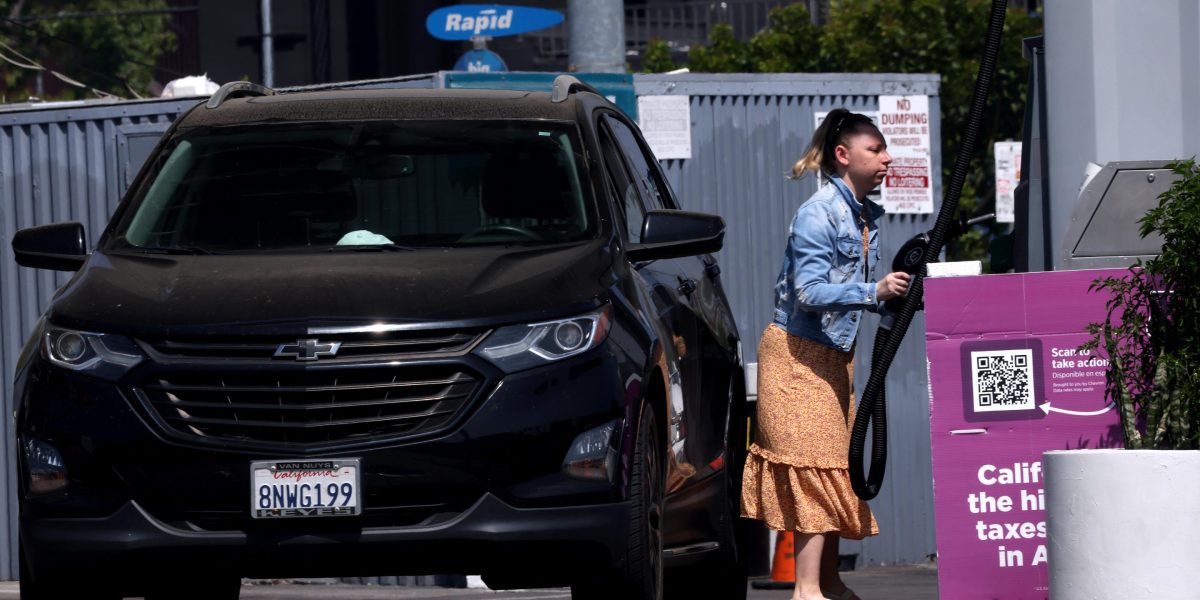
According to a recent article on Fortune.com, the current oil shock is not just an oil story, but a middle-class margin call. The author argues that the energy shock is having a disproportionate impact on middle-class households, particularly women, who are the primary breadwinners in many families. The article highlights the structural fragility of the Barbell Economy, where high-asset households can absorb the shock, but middle-class households are left with zero margin. The author also notes that the IMF has downgraded U.S. growth to 2.3% due to the energy commodity spike, and that policymakers and business leaders need to start treating household infrastructure as a core input to GDP growth.
Our Reading
The numbers tell one story.
The oil shock is not just a temporary blip, but a systemic solvency risk for middle-class households. The article highlights the five-phase cascade of the energy shock, from gasoline prices to grocery inflation, and how it affects household balance sheets. The author also notes that the middle class operates at a zero-margin state, with every dollar already spoken for. The article concludes that policymakers and business leaders need to rebuild the margin for middle-class households to withstand volatility.
The real question is what happens when the country’s primary growth engine is already financially stretched, and you add a new tax on mobility, logistics, food, utilities, and care.
Author: Evan Null