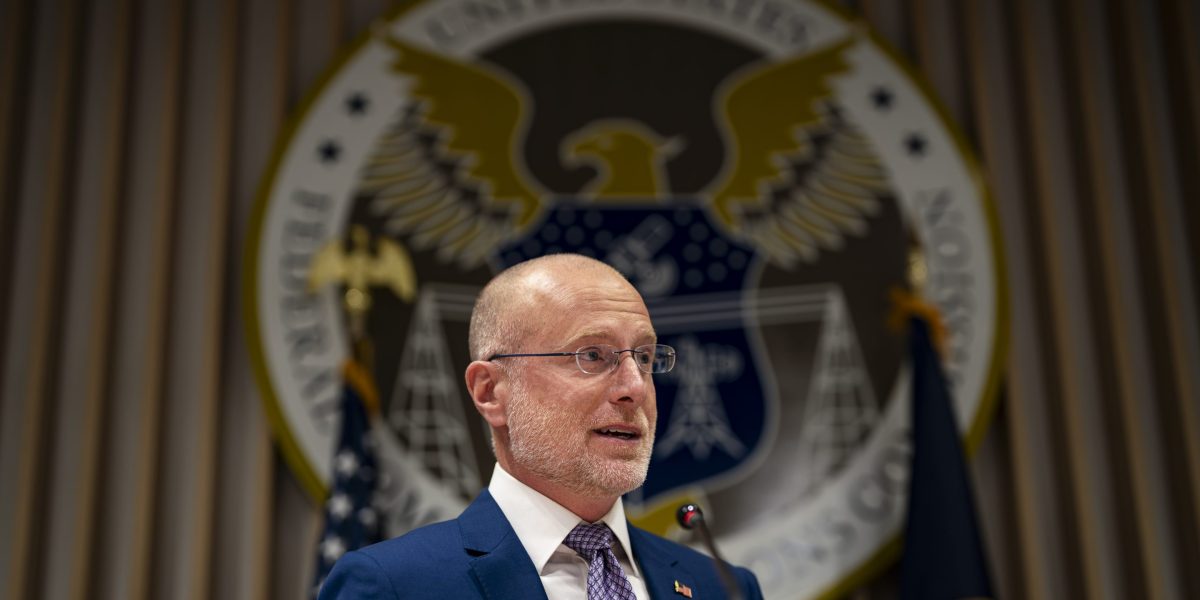
Source: Fortune
Summary
FCC Chairman Brendan Carr threatened to cancel broadcast licenses of TV stations if they don’t “correct course” on news coverage. Carr made the statement on social media, following President Donald Trump’s complaints about coverage of the US-Israeli strikes on Iran. The FCC doesn’t directly license national networks, but can take action against individual local stations that hold FCC licenses. Revoking licenses for content the administration doesn’t like would be an unprecedented expansion of the FCC’s powers.
Our Reading
The numbers tell one story.
Carr’s warning is the latest in a series of threats against TV broadcasters after Trump expressed displeasure with coverage. The FCC has launched investigations into TV shows and has suggested that local stations risk their broadcast licenses for airing certain content. The agency’s actions have been seen as an attempt to police speech on TV networks. Nexstar Media Group and Sinclair Inc. have already pulled shows from their stations in response to Carr’s remarks.
The strategy enters a familiar phase: loud warnings, followed by selective enforcement.
Author: Evan Null
Threats and Investigations
The FCC has launched investigations into TV shows, including ABC’s “The View” and CBS’s “60 Minutes”. The agency has also suggested that local stations risk their broadcast licenses for airing certain content.
Licenses and Enforcement
The FCC doesn’t directly license national networks, but can take action against individual local stations that hold FCC licenses. Revoking licenses for content the administration doesn’t like would be an unprecedented expansion of the FCC’s powers.
Media Response
Nexstar Media Group and Sinclair Inc. have already pulled shows from their stations in response to Carr’s remarks. Other media companies have also taken steps to avoid running afoul of the FCC.
Implications
The FCC’s actions have been seen as an attempt to police speech on TV networks. The implications of this are still unclear, but it could have a chilling effect on free speech and the media’s ability to hold those in power accountable.