Source: Fortune
Summary
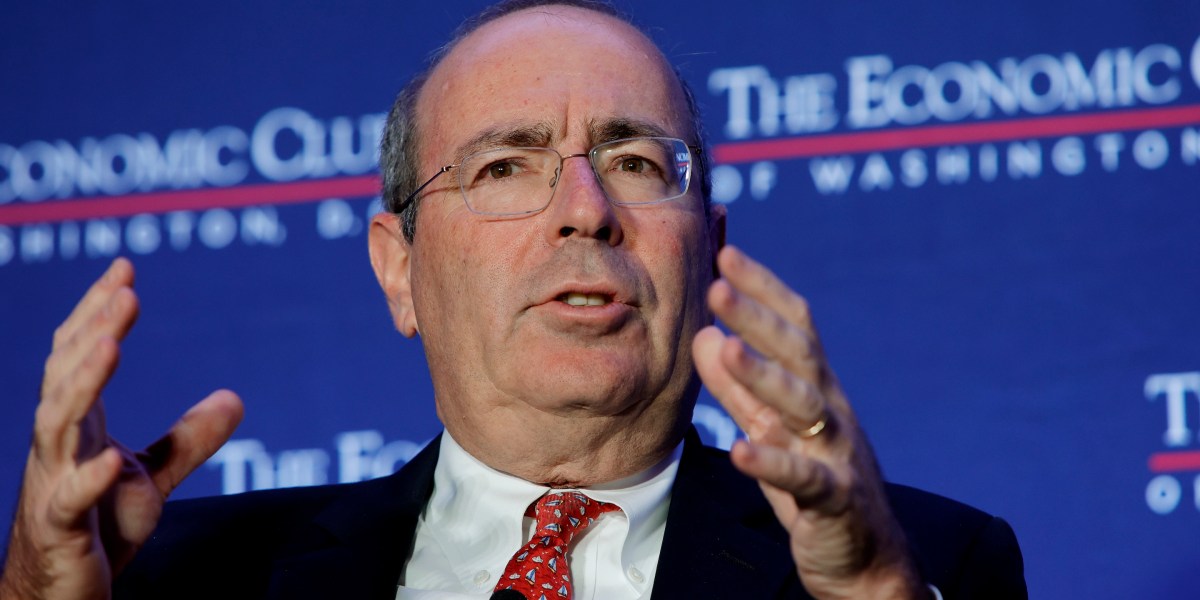
Richmond Fed President Tom Barkin said the Fed raised interest rates for the first time since mid-2023, citing persistent inflation factors like tariffs, gasoline prices, and AI investment. Barkin spoke at an event with USA Rare Earth CEO Barbara Humpton, noting that inflation may be more enduring than previously thought. He compared the Fed’s current situation to a “log flume” ride, suggesting the leadership faces a difficult path. Barkin also discussed AI’s impact on the economy, saying it is reshaping productivity and labor markets, but the full effects remain unclear. He added that AI may help train less-experienced workers in skilled trades.
Our Reading
The numbers tell one story.
Barkin says inflation is sticking around.
He calls AI a big, messy investment cycle.
Companies are spending on AI but not cutting staff.
The Fed’s job is getting harder, but the AI apocalypse hasn’t arrived.
Author: Evan Null
Key Takeaways
Tom Barkin, president of the Richmond Fed, said the central bank raised interest rates for the first time since mid-2023. He cited ongoing inflation pressures, including tariffs, gasoline prices, and AI investment. Barkin spoke at an event with Barbara Humpton, CEO of USA Rare Earth.
He said it’s harder to argue that inflation is temporary now than it was six months ago. Barkin compared the Fed’s current situation to a “log flume” ride, suggesting the leadership faces a difficult path. He said the Fed has moved back toward higher rates as inflation has proved more persistent than expected.
Barkin discussed the impact of AI on the economy, saying companies are spending aggressively on AI to boost productivity. However, strong corporate earnings are working against layoffs. He noted that companies with deep backlogs of technology projects would rather redeploy freed-up capacity than cut headcount.
The former McKinsey CFO said the challenge is not just technical but organizational. AI can make tasks more efficient, but companies are still figuring out how to adjust staffing models. He also suggested that AI could help train less-experienced workers in skilled trades.
Barkin said the “AI apocalypse” has not arrived. He noted that there is less certainty about AI’s disruptive potential than there was six months ago. He also highlighted the importance of retraining workers for new skill sets, as seen in the rare-earth industry.