Source: Fox News
Summary
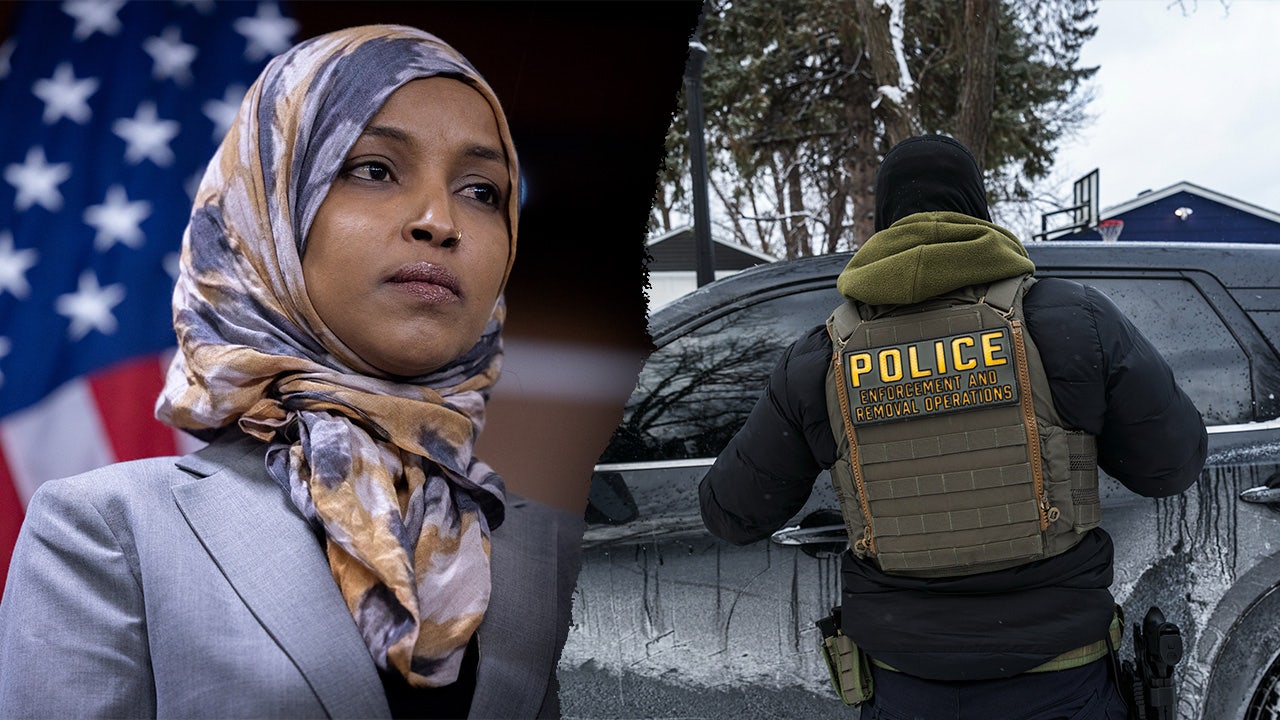
Federal agents raided Rep. Ilhan Omar’s Washington, D.C., home and seized her cell phone as part of a criminal fraud investigation into her immigration paperwork. Investigators are examining whether her family misrepresented her age when she immigrated in 1995. Omar, who became a U.S. citizen in 2000, was listed as 17 at the time, making her eligible for automatic citizenship through her father’s naturalization. Subpoenas were issued to her family members, and her husband expressed confidence that no wrongdoing occurred. Omar’s office accused the Trump administration of using federal law enforcement against political opponents.
Our Reading
As expected, the matter has reached another stage.
Federal agents raided a home, seized a phone, and issued subpoenas.
Family members are questioned about age, citizenship, and paperwork.
Spouses speak, officials deny wrongdoing, and accusations fly.
It’s a routine of scrutiny, claims, and political blame.
Author: Evan Null
Ilhan Omar’s Home Raids and Immigration Scrutiny
Federal authorities conducted a raid on Rep. Ilhan Omar’s Washington, D.C., home, seizing her cell phone as part of a criminal fraud investigation. The probe focuses on her immigration history, particularly whether her family misrepresented her age when she arrived in the U.S. in 1995. Omar, who became a naturalized citizen in 2000, was listed as 17, which would have made her eligible for automatic citizenship through her father’s naturalization. Investigators have issued multiple subpoenas to her family members, including her late father’s immigration records.
Omar’s husband, Tim Mynett, denied any concerns about the investigation, stating that she arrived in the U.S. as a 12-year-old refugee. However, questions about her age resurfaced after her congressional staff requested a change in her birth year in public records. The investigation has drawn political attention, with Omar’s office accusing the Trump administration of using federal law enforcement to target political opponents. She has denied any wrongdoing and called the raid a baseless act of intimidation.
The probe is separate from a financial disclosure review, though both are under federal scrutiny. Omar’s office has not commented further on the matter. The raid and investigation have sparked debate over the use of federal resources and the political motivations behind such actions. The situation highlights the intersection of immigration, citizenship, and political accountability in the U.S.
As the investigation continues, the focus remains on the accuracy of Omar’s immigration records and the broader implications of federal scrutiny on political figures. The case has drawn attention from both supporters and critics, with each side interpreting the events through a political lens. The outcome could have significant consequences for Omar’s political career and the broader discourse on immigration policy.
The raid and subsequent scrutiny reflect a pattern of political investigations that often coincide with election cycles or heightened political tensions. As the details of the case unfold, the public will be watching closely to see how the situation develops and what it means for the future of Omar’s political influence.
Political Rhetoric and Federal Investigations
The investigation into Rep. Ilhan Omar’s immigration paperwork has become a focal point for political rhetoric, with both sides using the situation to advance their agendas. Omar’s office has accused the Trump administration of weaponizing federal law enforcement against political opponents, while others have questioned the legitimacy of the probe. The timing of the raid, which occurred weeks before an election, has raised concerns about potential political motivations behind the investigation.
The case has also drawn attention to the broader issue of immigration and citizenship in the U.S., with debates over the accuracy of documents and the processes used to verify eligibility. Omar’s background as a refugee from Somalia has made her a target for scrutiny, with critics questioning the validity of her claims. However, her supporters argue that the investigation is an attempt to undermine her political influence and discredit her work.
The involvement of federal authorities in the case has sparked discussions about the role of law enforcement in political matters. While the investigation is focused on immigration fraud, the political implications have been significant, with both sides using the situation to highlight their positions. The case has become a symbol of the broader tensions between political accountability and the use of federal resources.
As the investigation continues, the public will be watching to see how the situation unfolds and what it means for the future of Omar’s political career. The case has already had a significant impact on the political landscape, with both supporters and critics using the situation to advance their arguments. The outcome could have lasting consequences for the way federal investigations are perceived and conducted.
The situation also highlights the challenges of navigating the intersection of politics and law enforcement. While investigations into fraud and misconduct are necessary, the political context in which they occur can complicate the process and raise questions about fairness and impartiality. The case serves as a reminder of the delicate balance between accountability and political influence in the U.S.
Public Reaction and Media Coverage
The raid on Rep. Ilhan Omar’s home and the subsequent investigation have generated significant public attention, with media outlets covering the story extensively. Fox News, which reported on the incident, has been a vocal critic of the investigation, highlighting the political implications and the accusations of bias. Other media outlets have also covered the story, with some focusing on the legal aspects of the case and others on the political ramifications.
The public reaction has been divided, with supporters of Omar expressing concern over the use of federal resources against a political figure, while critics have questioned the legitimacy of her immigration claims. The situation has also sparked discussions about the role of the media in shaping public perception of political investigations. Some argue that the coverage has been biased, while others believe it is necessary to hold public figures accountable.
The media coverage has also highlighted the broader issue of political scrutiny and the challenges faced by public figures in navigating the legal and political landscape. The case has become a focal point for debates about the fairness of investigations and the potential for political bias in law enforcement. As the situation develops, the media will continue to play a key role in shaping public opinion and influencing the narrative around the case.
The coverage has also raised questions about the transparency of the investigation and the potential for political interference. While the federal authorities have stated that the probe is focused on immigration fraud, the political context has made it difficult to separate the legal aspects from the political implications. The situation has become a test of the integrity of the investigative process and the ability of law enforcement to remain impartial.
As the investigation continues, the media will remain a key player in shaping the public’s understanding of the case. The coverage has already had a significant impact on the political landscape, with both supporters and critics using the situation to advance their arguments. The outcome of the investigation could have lasting consequences for the way federal investigations are perceived and conducted.
Legal and Political Implications
The investigation into Rep. Ilhan Omar’s immigration paperwork has significant legal and political implications, with both sides using the situation to advance their arguments. Omar’s office has accused the Trump administration of using federal law enforcement to target political opponents, while others have questioned the legitimacy of the probe. The case has become a focal point for debates over the use of federal resources and the potential for political bias in law enforcement.
The legal aspects of the case are focused on the accuracy of Omar’s immigration records and the potential for fraud. Investigators are examining whether her family misrepresented her age when she arrived in the U.S. in 1995, which could have affected her eligibility for citizenship. The case has also raised questions about the broader issue of immigration policy and the processes used to verify eligibility for citizenship.
The political implications of the case are significant, with both supporters and critics using the situation to advance their agendas. Omar’s supporters argue that the investigation is an attempt to undermine her political influence, while her critics question the legitimacy of her claims. The case has become a symbol of the broader tensions between political accountability and the use of federal resources.
The situation has also sparked discussions about the role of the media in shaping public perception of political investigations. While the investigation is focused on immigration fraud, the political context has made it difficult to separate the legal aspects from the political implications. The case serves as a reminder of the delicate balance between accountability and political influence in the U.S.
As the investigation continues, the legal and political implications of the case will remain a topic of debate. The outcome could have lasting consequences for the way federal investigations are perceived and conducted, as well as for the future of Omar’s political career. The situation highlights the challenges of navigating the intersection of politics and law enforcement in the U.S.
Public Perception and Political Discourse
The investigation into Rep. Ilhan Omar’s immigration paperwork has shaped public perception and influenced political discourse, with both supporters and critics using the situation to advance their arguments. The case has become a focal point for debates over the use of federal resources and the potential for political bias in law enforcement. The timing of the raid, which occurred weeks before an election, has raised concerns about the political motivations behind the investigation.
The public reaction has been divided, with some expressing concern over the use of federal resources against a political figure, while others have questioned the legitimacy of the probe. The situation has also sparked discussions about the role of the media in shaping public opinion and the potential for bias in coverage. The case has become a symbol of the broader tensions between political accountability and the use of federal resources.
The political discourse surrounding the case has been intense, with both sides using the situation to highlight their positions. Omar’s supporters argue that the investigation is an attempt to undermine her political influence, while her critics question the legitimacy of her claims. The case has become a focal point for debates over the fairness of investigations and the potential for political interference.
The situation has also raised questions about the transparency of the investigation and the potential for political bias. While the federal authorities have stated that the probe is focused on immigration fraud, the political context has made it difficult to separate the legal aspects from the political implications. The case serves as a reminder of the delicate balance between accountability and political influence in the U.S.
As the investigation continues, the public perception of the case will remain a key factor in shaping the political discourse. The outcome could have lasting consequences for the way federal investigations are perceived and conducted, as well as for the future of Omar’s political career. The situation highlights the challenges of navigating the intersection of politics and law enforcement in the U.S.