Source: Fortune.com
Summary
Five European Union countries, including Denmark, Germany, the Netherlands, Austria, and Greece, agreed on a plan to create “return hubs” in non-EU nations to send migrants whose asylum requests have been denied. The initiative, announced after a meeting in Copenhagen, aims to begin operations as early as 2027. Denmark’s minister of immigration, Morten Bødskov, described the plan as a transformation of the EU’s migration system. Human rights groups have raised concerns about the potential for abuse, while the International Organization for Migration and the UN Refugee Agency said they had not been fully briefed on the proposal.
Our Reading
The numbers tell one story.
Five EU countries set up return hubs for rejected migrants.
Denmark’s minister calls it a transformation of migration policy.
Human rights groups question the safety of the plan.
IOM and UNHCR say they have not been fully involved.
The EU is moving toward a new approach to migration control.
Author: Evan Null
Five EU Countries Agree on Migrant Return Hubs
Denmark and four other European Union countries have agreed to establish “return hubs” in non-EU nations to send migrants whose asylum requests have been rejected. The plan, announced after a meeting in Copenhagen, is expected to begin as early as 2027. The initiative aims to create a new model for handling rejected asylum seekers, with the five countries negotiating with governments in Africa and other regions for potential sites.
EU Officials Describe the Plan as a Major Shift
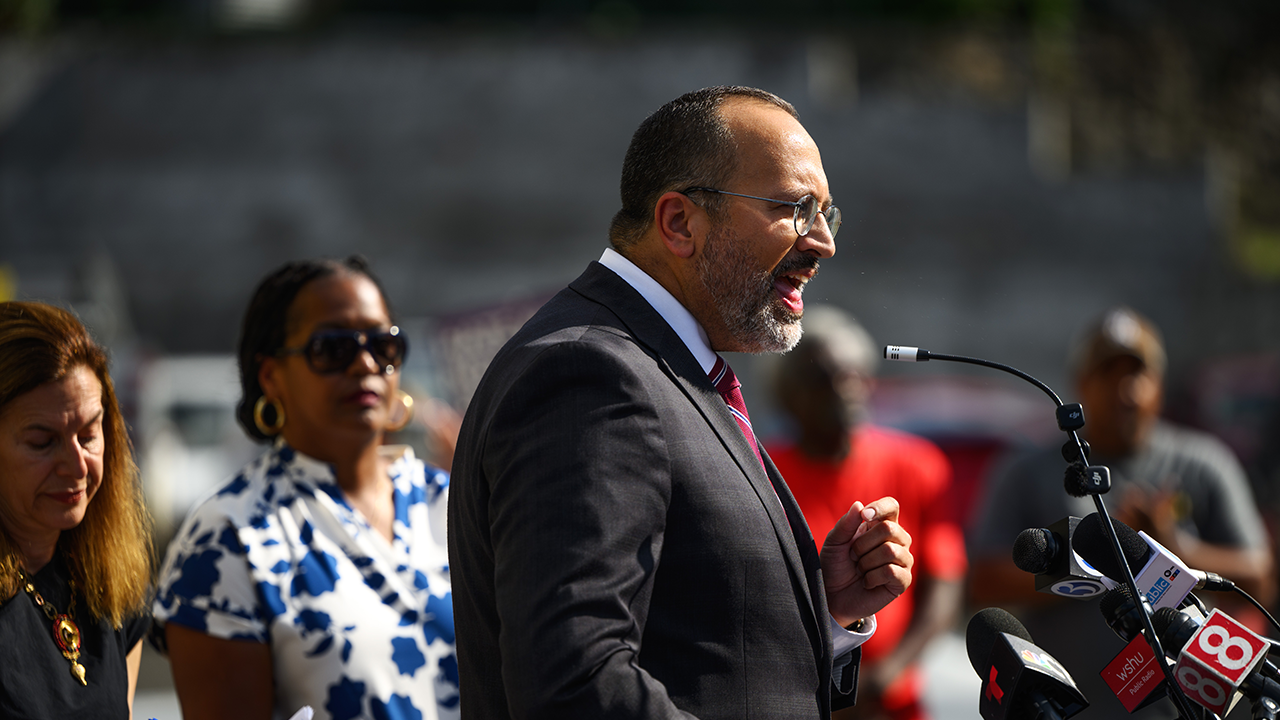
Morten Bødskov, Denmark’s minister of immigration and integration, described the initiative as a “fundamental transformation” of the EU’s migration and asylum system. He emphasized that the return hubs are not detention centers but rather facilities offering “opportunities” for migrants who cannot return to their home countries. The five countries have been in discussions with African governments, though specific locations have not been disclosed.
Human Rights Groups Raise Concerns
Human rights organizations have criticized the plan, arguing that European nations cannot guarantee that migrants sent to third countries will have their rights protected. The UN Refugee Agency and the International Organization for Migration have not been fully briefed on the proposal, and both have expressed uncertainty about their potential roles. The UNHCR said it could not comment on the specific arrangements being discussed.
Rwanda Considers Hosting Migrants
Rwanda has expressed interest in hosting migrants who cannot return to their home countries. A government spokesperson said it was natural for Rwanda to negotiate with European nations to potentially take in asylum seekers. The idea includes offering a “safe place” for migrants to receive medical care, training, and rest while their applications are processed. However, it remains unclear what Rwanda would gain in return for hosting the migrants.
Concerns About Enforcement of Human Rights
Migrant rights groups have warned that the plan could lead to human rights violations, as it would be difficult to monitor and enforce standards in third countries. The Council of Europe’s commissioner for human rights, Michael O’Flaherty, said vague assurances of compliance with human rights law are not enough. European ministers emphasized that the hubs would follow EU and international law, but critics argue the plan is an attempt to move migrants out of sight and avoid responsibilities.