Source: Fortune
Summary
A former HSBC banker, Joseph Molloy, was banned from the financial industry by the UK’s Financial Conduct Authority (FCA) after committing a train-fare fraud. Between October 2023 and September 2024, Molloy used false identities to obtain travel cards and evade fares on Southeastern, a rail operator. He was sentenced to 10 months in prison, suspended for 18 months, and ordered to pay £5,000 in compensation. The FCA cited a “clear and serious lack of honesty and integrity” as the reason for the ban.
Our Reading
The numbers tell one story.
Molloy used false identities to avoid paying fares on 740 journeys.
He was banned from the financial industry after a conviction for fraud.
The FCA cited integrity and honesty as key concerns.
The judge called the fraud “sophisticated and determined.”
Fare evasion costs London’s transit system millions annually.
Author: Evan Null
Fare Evasion and Financial Ethics
Joseph Molloy, a former HSBC banker, was banned from the financial industry after committing a train-fare fraud. The Financial Conduct Authority (FCA) cited a “clear and serious lack of honesty and integrity” as the reason for the ban. Molloy used false identities to obtain travel cards and evade fares on 740 journeys. His actions were described as “sophisticated and determined” by the court. The FCA emphasized that honesty and integrity are crucial for those in regulated finance.
Legal Consequences and Public Impact
Molloy pleaded guilty to fraud by false representation and was sentenced to 10 months in prison, suspended for 18 months. He was also ordered to pay £5,000 in compensation to Southeastern and £150 in costs. The judge noted that Molloy was in a financial position to pay the fares but chose to evade them. The FCA’s decision highlights the importance of ethical behavior in the financial sector.
Broader Implications for Fare Evasion
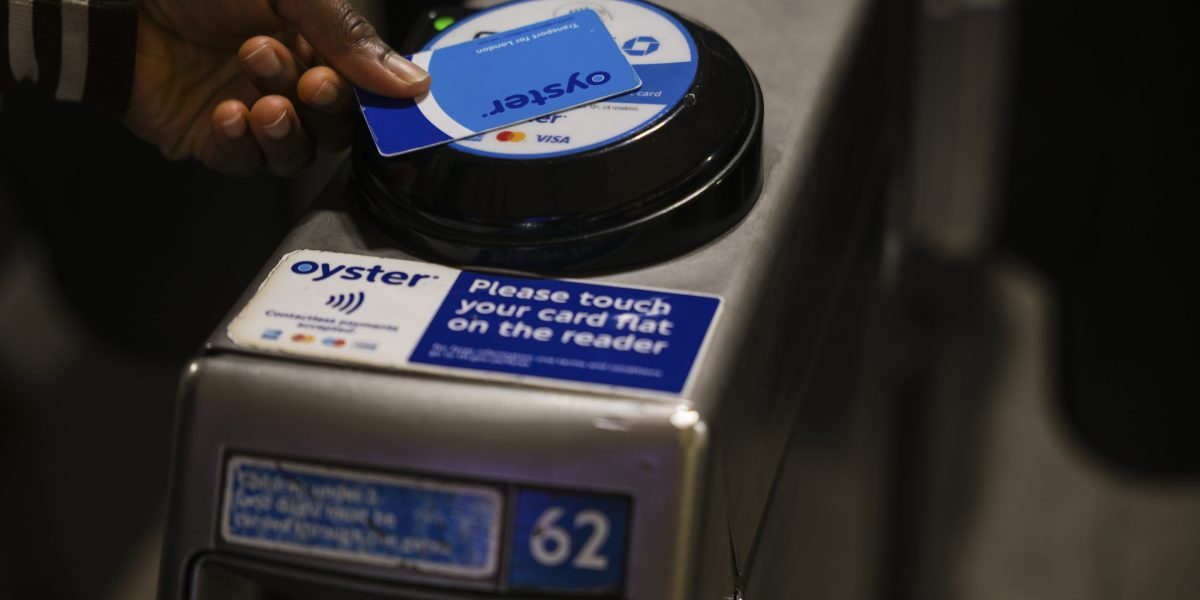
Fare evasion is a significant issue for London’s transit system. Transport for London (TfL) estimated that 3.9% of journeys went unpaid in 2023/24, costing over £130 million. The evasion rate on the Tube alone was 5.03%, costing £141 million. The FCA’s action against Molloy underscores the seriousness of fraud and the need for accountability in both finance and public transport.
Regulatory Standards and Professional Conduct
The FCA’s decision to ban Molloy was based on his conviction for fraud and the lack of honesty and integrity. The regulator emphasized that individuals must meet high standards of behavior to work in regulated finance. Molloy accepted that he fell below these standards and did not challenge the FCA’s decision. This case highlights the importance of maintaining professional ethics in the financial sector.
Public and Institutional Response
The FCA directed Fortune to its notice for comment, while HSBC did not respond. The case has drawn attention to the broader issue of fare evasion and its impact on public transport. The FCA’s action against Molloy sends a clear message about the consequences of fraudulent behavior. It also reflects the ongoing efforts to combat fraud and ensure transparency in both finance and transportation.