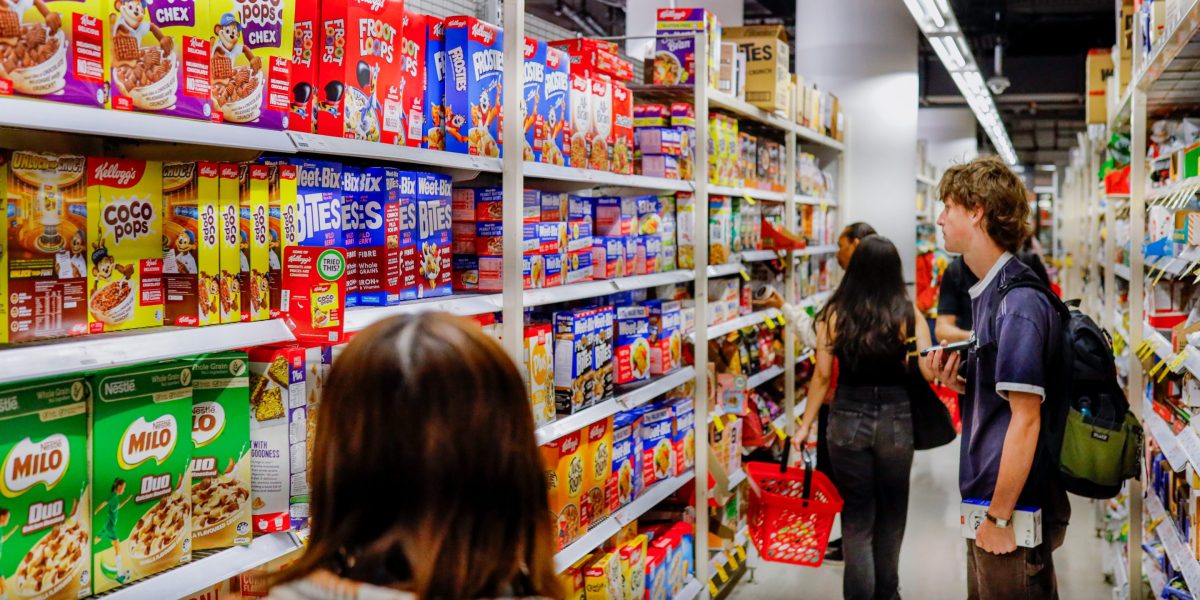
Source: Fortune
Summary
A survey by Nature’s Garden and Wired Research found that 85% of college students aged 18 to 25 want to eat healthier, but 58% say they would prioritize healthier groceries if money were not an issue. However, 90% of students cut back on food or skipped meals due to financial pressure. A separate study by Harvard Law School and Yuka found that healthier packaged foods, such as bread and cereals without additives, are significantly more expensive than cheaper alternatives. Food prices have risen 2.2% year-over-year, adding to financial strain. Students are changing their shopping habits, with 47% comparing prices more often and 27% cutting back on healthy foods.
Our Reading
The numbers tell one story.
Gen Z wants to eat better but can’t afford it.
Healthier food is more expensive, and prices keep rising.
Students are cutting back, comparing prices, and skipping meals.
Financial pressure is reshaping eating habits and mental health.
Author: Evan Null
Gen Z’s Healthier Eating Goals Are Being Outpaced by Rising Costs
Gen Zers are increasingly aware of the importance of healthy eating, especially with trends like protein-maxxing and fitness culture influencing their choices. Many are trying to eat better, but the reality is that healthier food is often more expensive, making it difficult for students to maintain these habits. A survey by Nature’s Garden and Wired Research highlights the gap between desire and affordability, showing that 85% of students want to eat healthier, but 90% have had to cut back on food or skip meals due to financial pressure.
Healthier Options Cost More, Making It Harder to Choose
A joint study by Harvard Law School and Yuka found that healthier packaged foods, such as bread and cereals without additives, are significantly more expensive than their cheaper counterparts. For example, bread without additives costs 28% more, and cereals without additives are 65% pricier. This price difference is a major barrier for students who are already struggling with tuition, rent, and other expenses. The rising cost of groceries, which increased 2.2% in August compared to the previous year, only adds to the challenge.
Students Are Changing Their Shopping Habits
With financial pressure mounting, students are adapting their shopping behaviors. Nearly all students in the Nature’s Garden survey said they have changed how they shop, with 47% comparing prices more often and 46% opting for cheaper brands. Additionally, 27% have specifically cut back on healthy foods. These changes reflect a growing awareness of cost and a need to make trade-offs, even if it means sacrificing nutritional goals.
Emotional and Psychological Impact of Food Insecurity
The financial strain of healthy eating is not just about money—it’s also taking a toll on students’ mental health. Many report feeling frustrated or guilty about buying cheaper, less healthy options. This emotional burden is part of a larger pattern of stress and uncertainty that Gen Z is facing. With inflation and rising costs, students are forced to make difficult choices that impact their well-being, both physically and mentally.
Adjusting to Financial Realities Through Eating Habits
Gen Z is adapting to financial pressures by changing their eating habits. More students are cooking at home and shopping less, which reflects a broader trend of cutting back on dining out and other discretionary spending. However, these changes come with trade-offs. Only 24% of students surveyed eat three meals a day regularly, and more than half replace meals with snacks. This shift highlights how financial stress is reshaping daily routines and long-term habits.