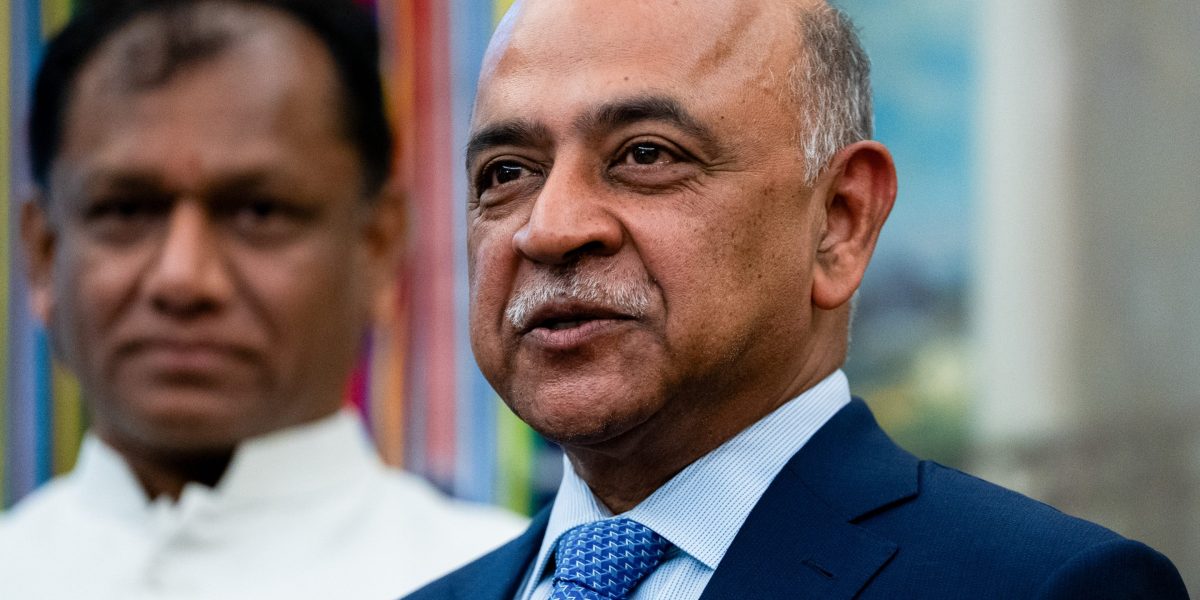
Source: Fortune
Summary
JPMorgan Chase CEO Jamie Dimon has criticized employees for using devices during meetings, calling it disrespectful and a waste of time. IBM CEO Arvind Krishna takes a different approach, arguing that technology can be useful in large meetings. Dimon has long been critical of meeting culture, emphasizing the need for full attention. His return-to-office policy requires employees to work in the office five days a week. Both leaders highlight the growing debate over workplace etiquette and productivity.
Our Reading
The numbers tell one story.
Dimon wants full attention in meetings, calling phone use disrespectful.
Krishna sees devices as tools, especially in large meetings.
Both leaders emphasize the need for focus, but with different approaches.
Workplace etiquette is becoming a key part of corporate culture.
Author: Evan Null
Dimon’s long-standing frustration with meetings
Jamie Dimon has consistently criticized meeting culture, calling it inefficient and disrespectful. In his 2025 shareholder letter, he urged employees to only schedule meetings when necessary and to give them full attention. He has seen employees checking emails and receiving notifications during meetings, which he views as unprofessional. His frustration extends beyond small gatherings, as seen in a 2025 Stanford University conversation where he recalled a Zoom meeting with divided attention.
Dimon’s push for in-office work is part of a broader strategy to maximize real-estate investments. JPMorgan has implemented a strict return-to-office policy, requiring employees to work five days a week. The company also recently opened a $3 billion Manhattan headquarters, signaling a commitment to physical office spaces. This policy has drawn attention as one of the most aggressive on Wall Street.
Dimon’s stance on meeting etiquette reflects a broader trend in corporate leadership. As remote work continues to evolve, companies are reevaluating how to maintain productivity and professionalism. His focus on attention and respect in meetings aligns with a growing emphasis on workplace culture and efficiency.
Despite his strict views, Dimon’s approach is not universally shared. IBM’s Arvind Krishna argues that technology should not be restricted in large meetings, where it can serve as a useful tool. This contrast highlights the ongoing debate over how to balance productivity with flexibility in the modern workplace.
As companies navigate the challenges of hybrid work, the question of meeting etiquette remains a key issue. Leaders like Dimon and Krishna are shaping the conversation, with their differing perspectives influencing how employees are expected to behave in professional settings.
Putting the devices down might catch your boss’s attention
The increasing reliance on technology has made multitasking during meetings more common. With AI assistants generating summaries, employees can easily zone out without missing key points. However, this behavior is seen as disrespectful, especially in face-to-face settings. Gary Rich, founder of Rich Leadership, argues that multitasking creates a ripple effect, making meetings less productive and disengaging participants.
Practicing good meeting etiquette can help employees stand out and demonstrate commitment. By focusing on the conversation, individuals show respect and increase their chances of being noticed. This approach aligns with the expectations of leaders like Dimon, who prioritize attention and engagement in professional settings.
Despite the benefits of technology, there is a growing recognition that in-person meetings require a different level of focus. As companies adjust to new work models, the balance between productivity and professionalism remains a key challenge. Leaders are increasingly emphasizing the importance of presence and engagement in meetings.
Employees who follow these guidelines may find themselves in a better position to build credibility and advance their careers. By adhering to meeting etiquette, individuals contribute to a more respectful and productive work environment. This shift in expectations reflects a broader trend in corporate culture.
As the debate over workplace behavior continues, the role of technology in meetings remains a central issue. Companies are reevaluating how to use tools effectively without compromising the quality of interactions. This ongoing discussion will shape the future of professional communication and collaboration.