Source: Fortune.com
Summary
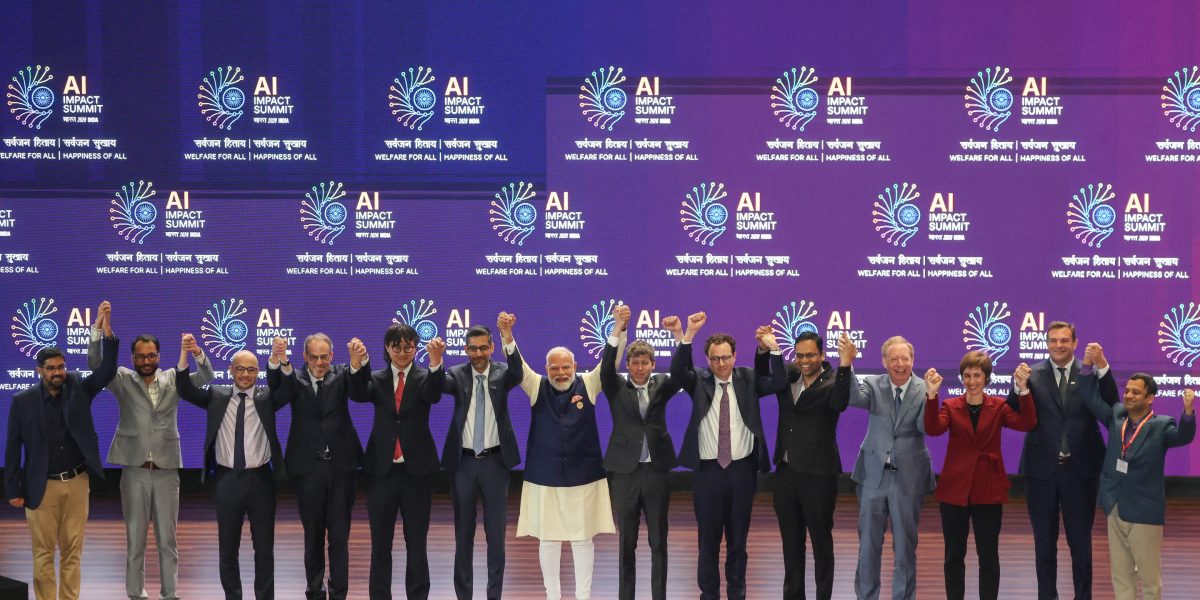
India’s AI Impact Summit was marred by logistical chaos, with gridlocked roads, overcrowding, and poor communication infrastructure. The summit, which aimed to promote inclusive AI development, was attended by over 20 heads of state and CEOs of leading AI companies. Despite the challenges, the summit produced a diplomatic declaration committing 88 countries and international organizations to inclusive AI development and announced over $200 billion in investment. However, the execution was criticized for its “VIP culture” and lack of organization.
Our Reading
The numbers tell one story. India’s AI Impact Summit was a mix of investment announcements, gridlocked international diplomacy, and people stuck in actual traffic jams. The summit’s main venue was overcrowded and chaotic, with long queues, poor communication infrastructure, and a bizarre and ever-changing entry policy. The event was also plagued by missing speakers, including Nvidia CEO Jensen Huang and Bill Gates, who pulled out at short notice. The summit’s execution was criticized for its “VIP culture” and lack of organization.
The summit’s disorganization was evident in the numerous logistical issues, including stolen devices, a shirtless protest, and a fake robot dog. The event’s lack of wi-fi and spotty phone service also caused frustration among attendees. Despite the challenges, the summit produced a diplomatic declaration committing 88 countries and international organizations to inclusive AI development and announced over $200 billion in investment.
The strategy enters a familiar phase. India’s AI Impact Summit was a classic example of how not to organize a high-profile international event. The summit’s disorganization and lack of planning were evident in the numerous logistical issues that plagued the event. Despite the challenges, the summit produced some positive outcomes, but the execution was a major disappointment.
Author: Evan Null