Source: Fortune
Summary
Vikram Sinha, CEO of Indosat Ooredoo Hutchison (IOH), believes that Indonesia can play a significant role in the global AI race, despite the dominance of the US and China. Sinha thinks that the next phase of AI will belong to telecom companies like Indosat in the Global South, which can deliver connectivity and intelligence to millions of people in a sovereign manner. IOH is pushing into every layer of the AI stack, from energy and chips to infrastructure, models, and applications. The company is working with Nvidia to offer GPU-as-a-service and has developed an AI factory anchored by Nvidia’s H100 processors. IOH is also building a locally developed large language model, Sahabat AI, which is open-source and focused on Indonesian languages.
Our Reading
The announcement sounds familiar.
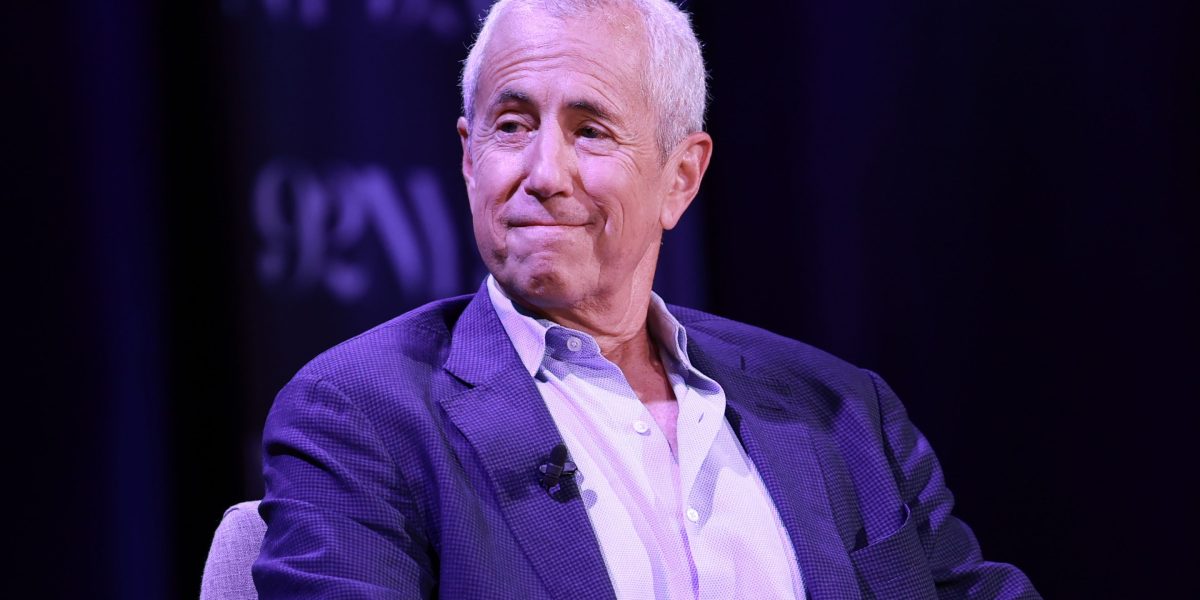
Vikram Sinha is betting on Indonesia’s unique culture and languages to create a sovereign AI ecosystem. IOH’s performance has been strong, with revenue and profits growing despite a tough market. The company is pushing into the AI stack, from energy to applications. Sahabat AI, IOH’s locally developed large language model, is a key part of this strategy. Sinha believes that countries like Indonesia have structural advantages in AI, including power, land, and water. However, he admits that raw infrastructure is not enough, and human capital is crucial for sovereignty.
The numbers tell one story, but the real challenge lies in turning sovereignty into a business. IOH’s shares are down 9% for the year, despite the company’s strong performance. The Indonesian tech sector has been in a funk, with investors once hot on the country’s potential now losing interest. Sinha thinks that the mindset needs to change, and businesses need to focus on sustainable models rather than chasing valuations.
Indosat’s AI strategy is focused on delivering intelligence to the edge, close to end-users, rather than in centralized data centers. The company is working with Nvidia to offer GPU-as-a-service and has developed an AI factory anchored by Nvidia’s H100 processors. Sahabat AI is a key part of this strategy, but Sinha admits that it’s challenging to build models in languages that don’t have a lot of material.
IOH’s approach to AI is a mix of public service and business. Sahabat AI is a platform to innovate and collaborate, helping to bolster Indonesia’s new AI startups. However, Sinha admits that there will be doubts in the early days, and a business case needs to emerge.
The strategy enters a familiar phase. IOH’s focus on sovereignty and local development is a common theme in the global AI race. However, the company’s approach is unique, and its success will depend on its ability to execute and innovate.
One sentence that reframes the situation: Indosat’s AI strategy is a high-stakes bet on Indonesia’s unique cultural and linguistic strengths, which could either pay off big time or leave the company struggling to find its place in the global AI landscape.
Author: Evan Null