
Iran and US Talks Stall Over Missile Demands
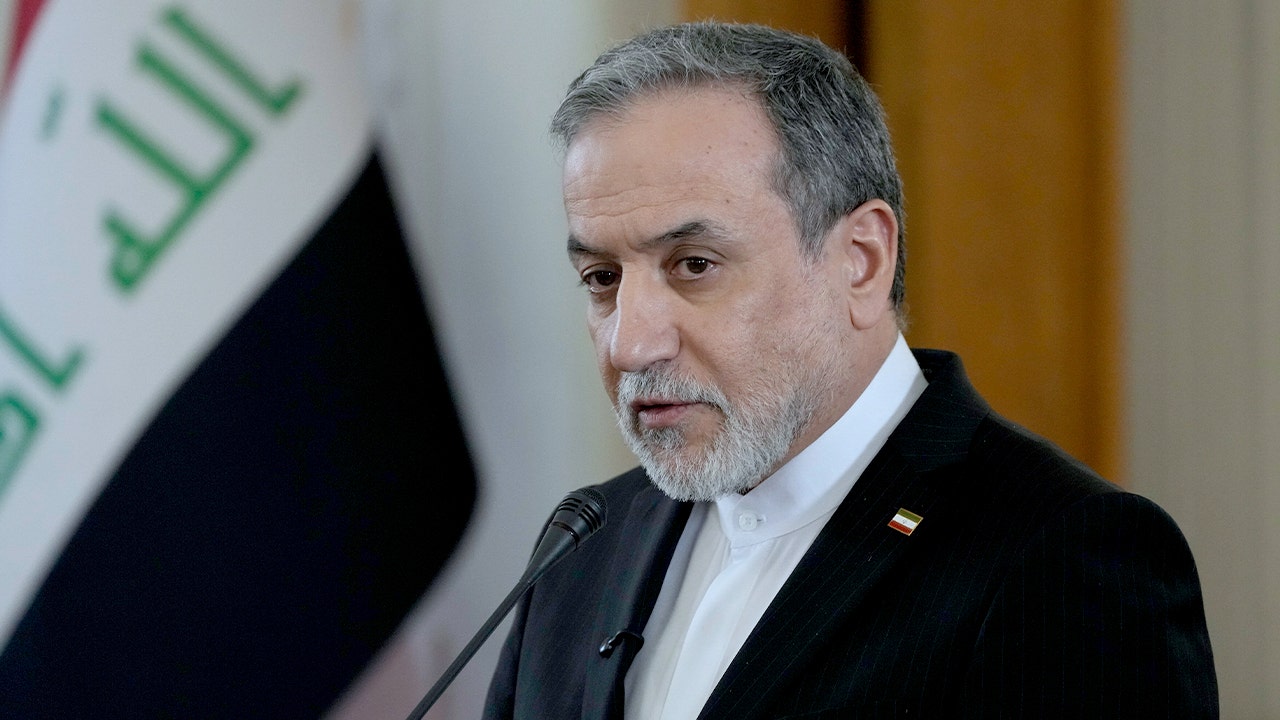
Source: Fox News
Summary
Iranian Foreign Minister Abbas Araghchi stated that Iran will not negotiate on its ballistic missile program, rejecting a core U.S. demand. The U.S. and Iranian negotiators met in Oman, but the talks are stalled due to the imbalance in military power. Iran believes it can withstand U.S. pressure by signaling greater resolve and betting that Washington’s appetite for war is limited. The U.S. demands that Iran give up all enriched uranium stockpiles and limit its ballistic missiles, while Iran is willing to negotiate on nuclear issues but insists on its right to enrich uranium.
Our Reading
As expected, the matter has reached another stage.
Araghchi reiterated Iran’s stance, and the U.S. continued to build up military forces in the region. The talks are ongoing, with both sides sticking to their positions. Iran is relying on its ability to threaten regional instability, while the U.S. is using diplomacy to buy time and prepare military options. It is a familiar dance, with both sides signaling greater resolve but neither willing to budge.
The stage is set for a prolonged standoff, with the U.S. and Iran engaging in a game of brinkmanship. The question is, how long will it take for one side to blink, and will the outcome be a deal or a conflict?
The process has entered a familiar phase, where both sides are entrenched in their positions, and the talks are more of a ritual than a genuine attempt to resolve the issues.
It is a performance, with both sides playing their roles, and the audience is left wondering what will happen next.
The familiar pattern of threats, counter-threats, and stalemate will likely continue, with neither side willing to give in.
As the standoff continues, the stakes will remain high, and the outcome uncertain.
Author: Evan Null
