Source: Fortune
Summary
Shipping through the Strait of Hormuz has slowed significantly due to escalating security risks, with most commercial traffic paralyzed. However, a few Iranian-linked vessels continue to navigate the waterway. A US strike on military targets on Kharg Island has heightened risks in global oil supply chains, and the US is pressing allies to deploy warships to reopen the Strait of Hormuz. Electronic interference is disrupting vessel-tracking systems, and some ships are disabling their AIS in high-risk waters.
Our Reading
The numbers tell one story.
Iranian-linked vessels continue to navigate the Strait of Hormuz despite security risks, with a supertanker spotted in the waters north of Hormuz on Sunday with a destination listed as China. The successful passage of two Indian LPG tankers suggests back-channel coordination may be allowing select vessels to bypass the gridlock. Electronic interference and disabled AIS systems are reducing the reliability of tracking information.
The Strait of Hormuz is becoming a testing ground for the limits of global trade under duress.
Author: Evan Null
Regional Tensions Escalate
The situation in the Strait of Hormuz continues to deteriorate, with a US strike on military targets on Kharg Island heightening risks in global oil supply chains. The US is pressing allies to deploy warships to reopen the Strait of Hormuz, further escalating tensions in the region.
Iranian Vessels Defy Security Risks
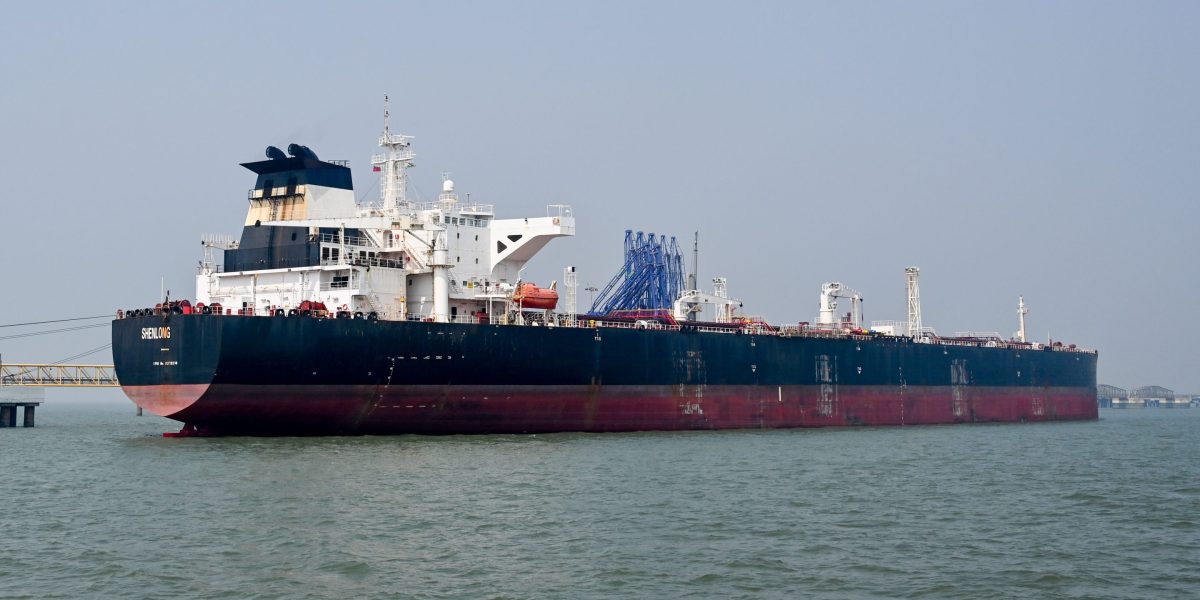
Despite the security risks, Iranian-linked vessels continue to navigate the Strait of Hormuz. A supertanker was spotted in the waters north of Hormuz on Sunday with a destination listed as China, and a few more Iran-linked ships crossed through the chokepoint in the last 24 hours.
Tracking Disruptions
Electronic interference is disrupting vessel-tracking systems in the region, and some ships are disabling their AIS in high-risk waters. This is reducing the timeliness and reliability of tracking information, making it difficult to accurately assess the situation in the Strait of Hormuz.
Risk of Spoofing
With vessels going dark in high-risk waters, there is a risk of spoofing, where electronic interference can falsify the apparent position of a ship. This is making it challenging to determine the authenticity of vessel movements in the region.
Global Trade Under Duress
The situation in the Strait of Hormuz is a test of the limits of global trade under duress. The ability of Iranian-linked vessels to defy security risks and navigate the Strait of Hormuz despite the challenges is a concern for global trade and security.