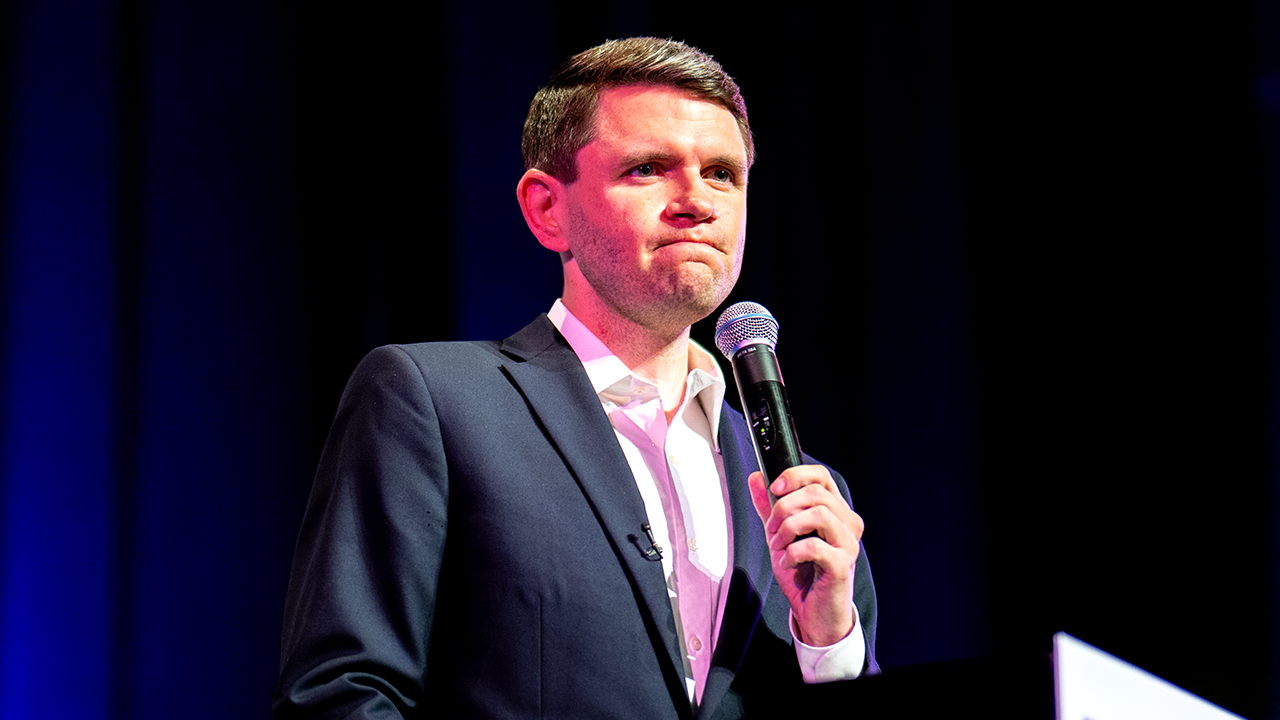
Source: Fox News
Summary
Texas Democratic U.S. Senate nominee James Talarico reappeared on the campaign trail after a nearly two-week absence, ending speculation about his whereabouts. His spokesperson confirmed he was meeting with voters at the Austin City Limits Music Festival. Talarico had not been seen at a public event since late September. His campaign attributed the absence to a severe case of the flu. Republicans, including Donald Trump, criticized his absence, with Trump calling him “MISSING IN ACTION.” Talarico’s campaign argued his absence was closer to nine days, as he attended a Zoom event. He is challenging Texas Attorney General Ken Paxton in a close Senate race.
Our Reading
As expected, the matter has reached another stage.
Talarico walks through crowds at a music festival.
His team posts a video to explain his absence.
Trump calls him missing in action.
Flu or not, the routine continues.
Author: Evan Null
James Talarico’s Return to the Campaign Trail
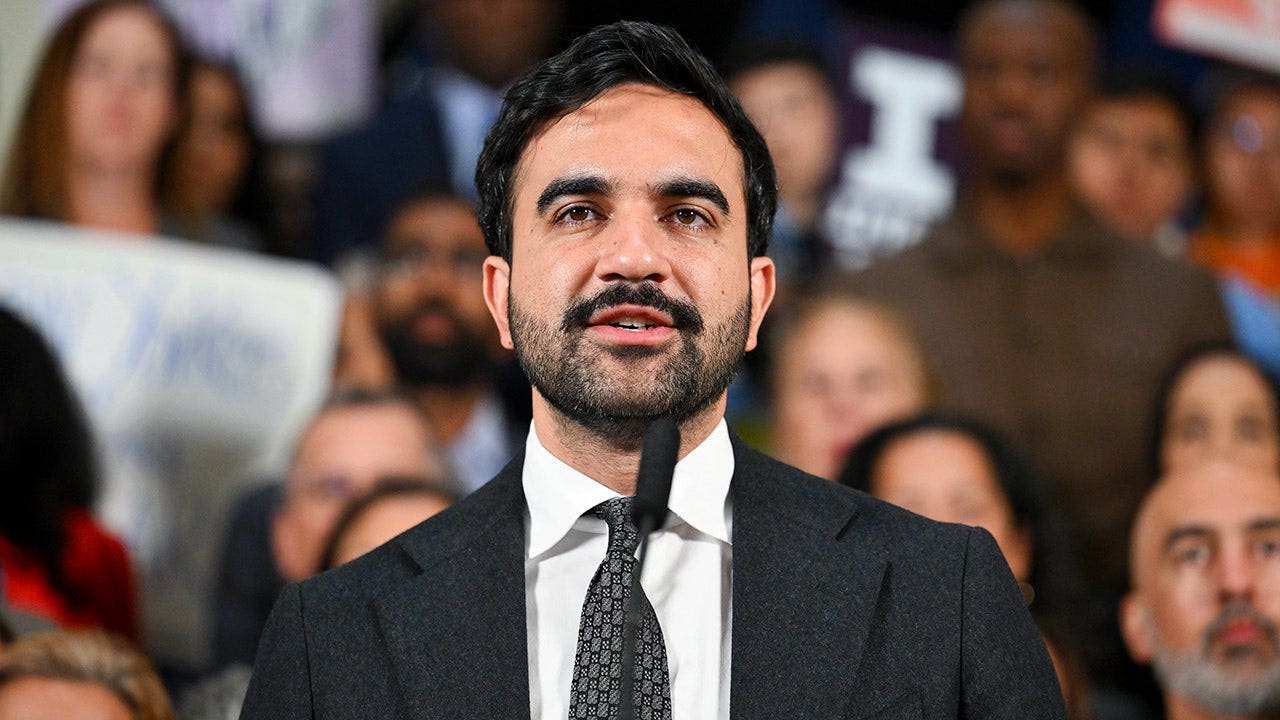
James Talarico reappeared on the campaign trail after a nearly two-week absence, drawing attention from both supporters and critics. His spokesperson confirmed he was meeting with voters at the Austin City Limits Music Festival, where he was seen greeting supporters. The event marked his first public appearance since late September, ending days of speculation about his whereabouts.
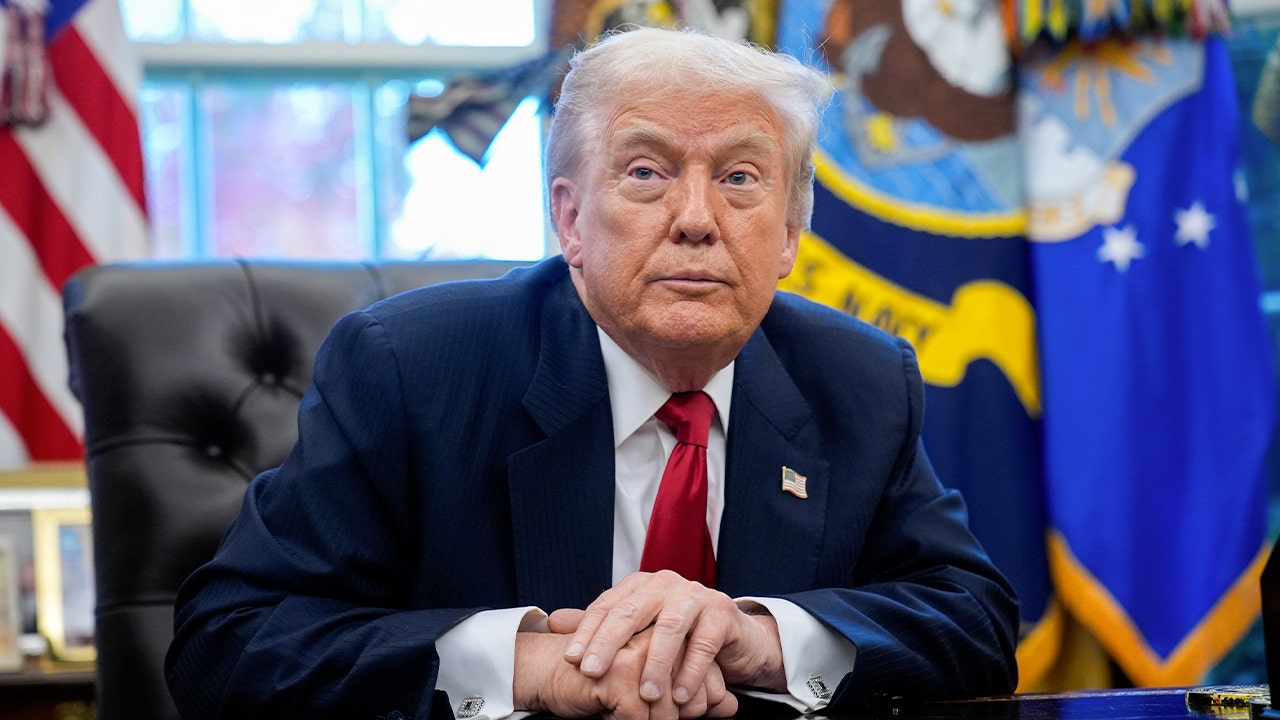
Talarico had not been seen at a public campaign event since a news conference in Carrollton on September 26. His campaign attributed the absence to a severe case of the flu, but Republicans, including Donald Trump, questioned the explanation. Trump criticized Talarico on Truth Social, calling him “MISSING IN ACTION” and suggesting he was avoiding the campaign trail.
Talarico’s campaign pushed back, arguing that his absence was closer to nine days, as he attended a Zoom event with the U.S. Hispanic Business Council on September 30. Despite the explanation, the absence continued to draw scrutiny, with Texas Attorney General Ken Paxton using the opportunity to question Talarico’s presence on the campaign trail.
Talarico’s campaign confirmed he expects to return to a full in-person schedule through the weekend ahead of a CNN town hall on October 14. Prior to his illness, Talarico had already completed more than 100 public campaign events across the state, indicating a busy schedule before his absence.
The situation highlights the ongoing scrutiny of Talarico’s campaign as he faces off against Ken Paxton in a closely watched U.S. Senate contest. The focus on his absence underscores the high stakes of the race and the intense media and political attention it has received.
Trump’s Criticism and the Political Climate
Donald Trump’s criticism of James Talarico’s absence highlighted the intense political climate surrounding the Texas Senate race. Trump, known for his sharp rhetoric, called Talarico “MISSING IN ACTION” on Truth Social, suggesting he was avoiding the campaign trail. This accusation added to the pressure on Talarico, who was already facing scrutiny from opponents and the media.
The timing of Talarico’s return came after days of speculation and criticism, with Republicans using the opportunity to question his commitment to the race. Trump’s comments reflected a broader strategy of attacking opponents’ credibility and visibility, a common tactic in political campaigns.
Talarico’s campaign attempted to counter the narrative by emphasizing his recent Zoom event and arguing that his absence was shorter than reported. However, the criticism continued, with opponents using the situation to cast doubt on his ability to lead and campaign effectively.
The political climate in Texas remains tense, with both candidates vying for support in a closely contested race. The focus on Talarico’s absence demonstrates how even short periods of inactivity can be amplified in the media and used as a political tool.
As the race continues, the scrutiny on Talarico’s campaign will likely remain high, with both sides using every opportunity to gain an advantage. The situation reflects the broader dynamics of modern political campaigns, where visibility and consistency are crucial for success.
The Role of Media and Public Perception
The media played a significant role in amplifying the speculation surrounding James Talarico’s absence. Reports and commentary from outlets like Fox News highlighted the mystery of his whereabouts, drawing public attention to the issue. This coverage created a narrative that Talarico was avoiding the campaign trail, which opponents quickly seized upon to challenge his credibility.
The public perception of Talarico was influenced by the media’s focus on his absence, with many viewers likely to have formed opinions based on the coverage. This highlights the power of media in shaping political narratives and the importance of managing public relations in a high-stakes race.
Talarico’s campaign responded by providing explanations and evidence of his continued involvement, including the Zoom event. However, the media’s focus on the absence made it difficult for the campaign to shift the narrative back to his policy positions and campaign efforts.
The situation also underscores the challenges of maintaining a consistent public presence in a political race. Even a short absence can be magnified by the media and used against a candidate, making it essential for campaigns to manage their visibility carefully.
As the race progresses, the role of media in shaping public perception will remain a key factor. The way Talarico and his opponents are portrayed in the media will continue to influence how voters view their campaigns and their ability to lead.
Ken Paxton’s Campaign Strategy
Ken Paxton, the Republican incumbent, used the opportunity to question James Talarico’s presence on the campaign trail, highlighting the scrutiny Talarico faced. During a rally in San Antonio, Paxton directly asked, “Where is James Talarico?” This rhetorical question was a strategic move to cast doubt on Talarico’s commitment and leadership.
Paxton’s campaign focused on emphasizing his own experience and credibility, positioning himself as a proven leader. By questioning Talarico’s absence, Paxton aimed to undermine his opponent’s image and reinforce his own as a strong and reliable candidate.
The strategy reflected a broader approach used by many political campaigns, where opponents are challenged on their visibility and consistency. Paxton’s comments were designed to resonate with voters who value experience and reliability, especially in a state like Texas where political battles are often intense.
The focus on Talarico’s absence also served to shift attention away from Paxton’s own campaign efforts, allowing him to highlight his record and experience. This tactic is common in political races, where opponents are often targeted to create doubt and uncertainty among voters.
As the race continues, Paxton’s strategy of questioning Talarico’s presence will likely remain a key part of his campaign, reinforcing his image as a strong and experienced candidate in a competitive race.
The Impact of the Flu Diagnosis
The flu diagnosis provided by Talarico’s campaign was a strategic move to explain his absence, but it also drew skepticism from opponents and the media. While the flu is a common illness, the length of his absence raised questions about the validity of the explanation. This skepticism was amplified by the political nature of the race, where every detail can be scrutinized and used against a candidate.
The diagnosis became a point of contention, with critics questioning why a severe case of the flu would require such a long absence. This led to further speculation about Talarico’s campaign strategy and his ability to manage a high-profile race. The situation highlighted how even legitimate health issues can be politicized in a competitive environment.
Talarico’s campaign attempted to counter the criticism by emphasizing his recent Zoom event, arguing that his absence was shorter than reported. However, the media and opponents continued to focus on the flu explanation, using it as a way to challenge his credibility and commitment to the race.
The situation also reflected the broader challenges of managing a political campaign, where every action and inaction is subject to scrutiny. The flu diagnosis, while a valid explanation, became a point of contention, demonstrating how even minor details can be magnified in a high-stakes race.
As the race continues, the impact of the flu diagnosis on Talarico’s campaign will likely remain a topic of discussion, with both supporters and opponents using it to shape their narratives and influence public perception.