Summary
James Talarico, the Democratic Senate nominee in Texas, is facing scrutiny over past comments in a 2020 Zoom call with Sierra Club activists. Talarico described capitalism as an “oppressive system” and predicted the decline of Texas’ fossil fuel industry. His campaign calls him a “proud capitalist” and says he has taken votes supporting the oil industry. The comments are being used by Republican allies to challenge Talarico in a key Senate race. Ken Paxton, the Republican nominee, has faced criticism for past remarks, including about the Uvalde school shooting and Texas’ abortion ban.
Our Reading
As expected, the matter has reached another stage.
Talarico says he’s a capitalist but once called capitalism oppressive.
He predicted oil would fade, then said Texas needs to keep energy dominance.
His campaign points to past votes for oil while highlighting his progressive past.
It’s a familiar loop of contradictions in a high-stakes race.
Author: Evan Null
James Talarico’s Contradictions
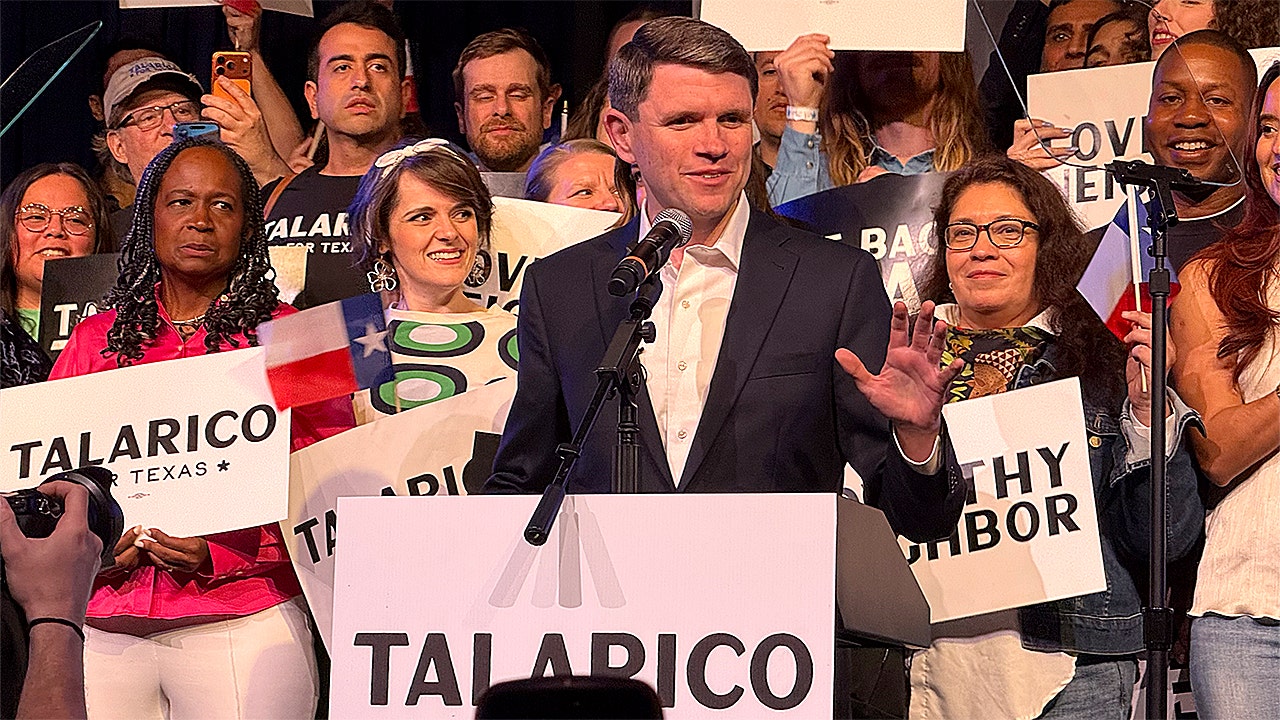
James Talarico, the Democratic Senate nominee in Texas, has faced scrutiny over past comments. In a 2020 Zoom call, he described capitalism as an “oppressive system” and predicted the decline of Texas’ fossil fuel industry. His campaign now calls him a “proud capitalist” and says he supports the oil industry.
The comments are being used by Republican allies to challenge Talarico in a key Senate race. Ken Paxton, the Republican nominee, has faced criticism for past remarks, including about the Uvalde school shooting and Texas’ abortion ban.
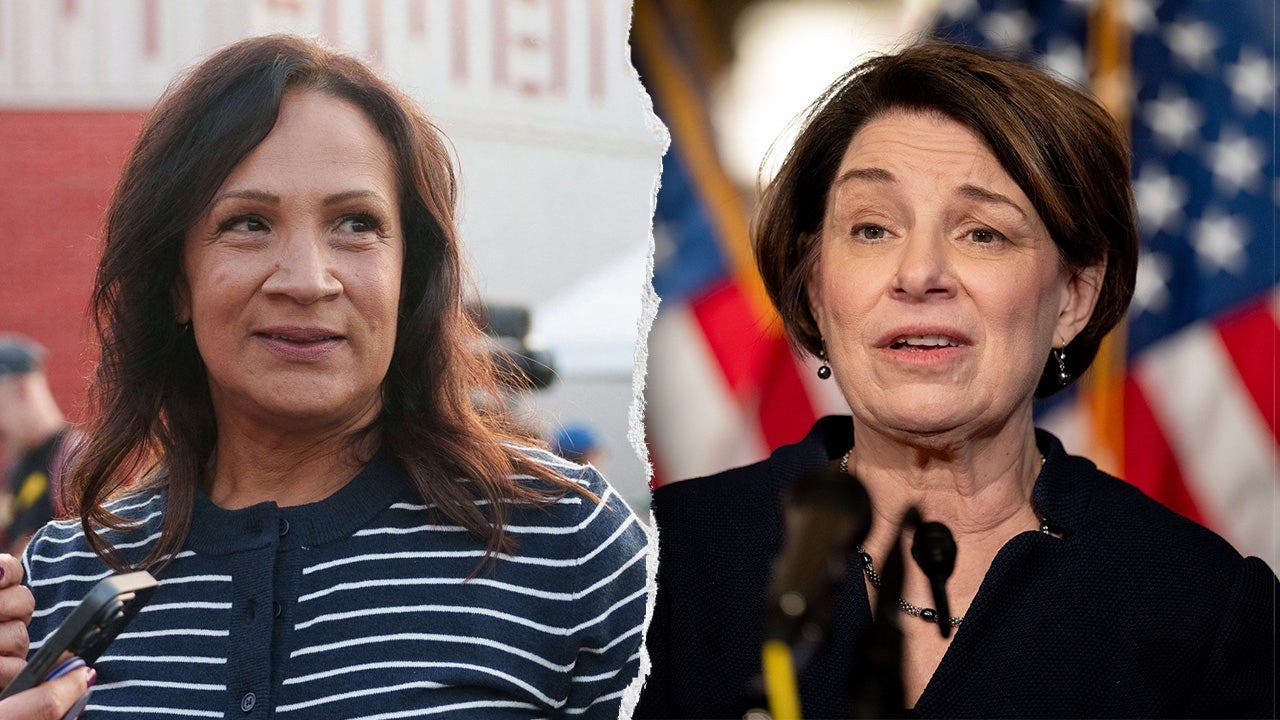
Talarico, a former middle school teacher and Presbyterian seminarian, defeated progressive firebrand Rep. Jasmine Crockett in the March Democratic Senate primary. He now faces Paxton, a longtime Trump ally.
The race is one of several that could determine control of the Senate. Democrats have not won a Senate election in Texas in nearly four decades, but they view Paxton as vulnerable due to scandals and legal problems.
Talarico enjoys a fundraising advantage over Paxton, and a recent Fox News poll showed him with a slight lead over Paxton among registered voters.
Ken Paxton’s Challenges
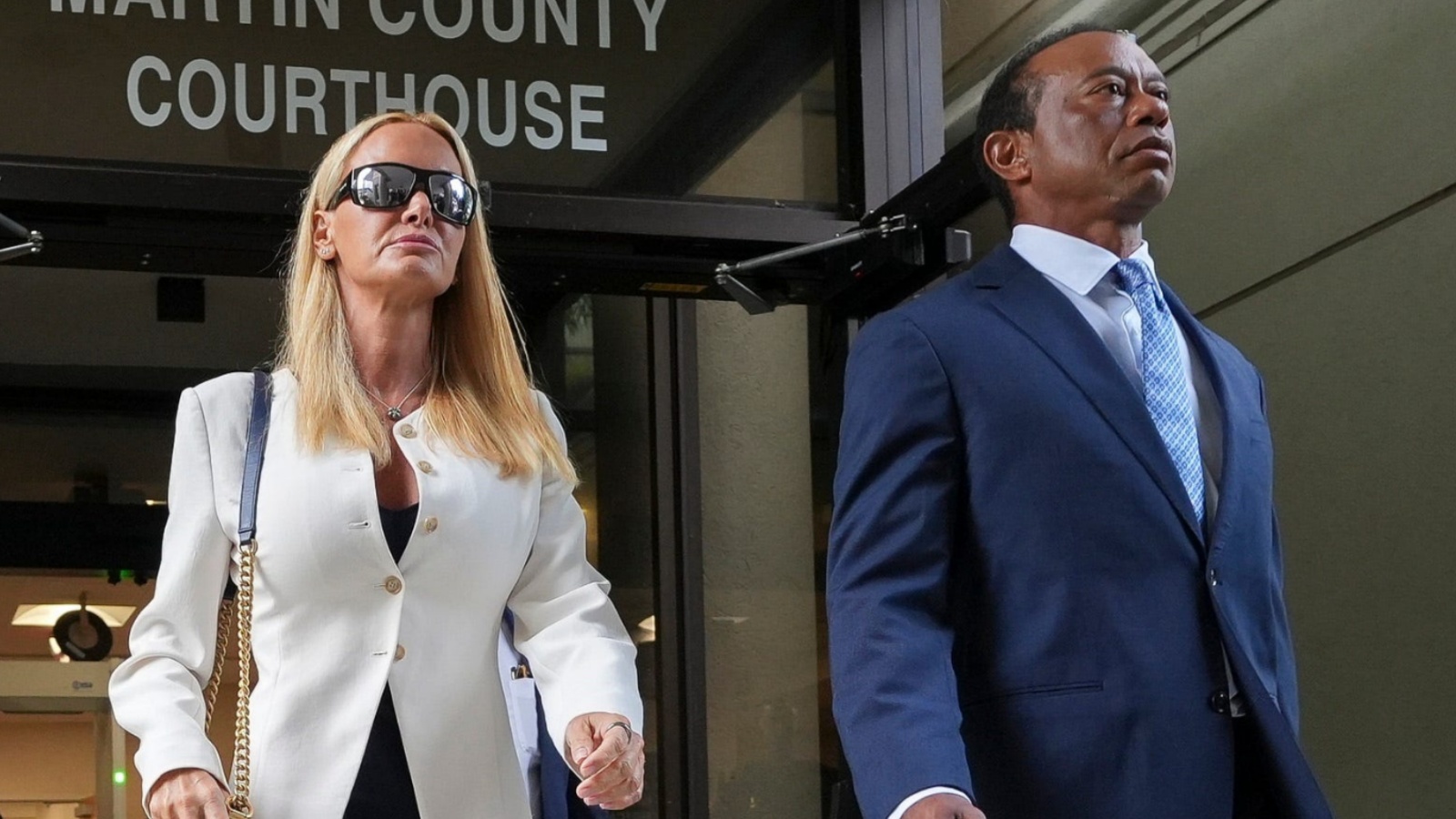
Ken Paxton, the Republican nominee, has faced criticism for past remarks, including about the Uvalde school shooting and Texas’ abortion ban. He has also been involved in legal issues, including a messy divorce with his wife citing “biblical grounds.”
Paxton, a longtime Trump ally, captured the GOP nomination in late May after defeating longtime Republican Sen. John Cornyn in a primary runoff. The race shaped up as a fight between the Republican establishment and Trump’s MAGA and America First supporters.
Trump stayed neutral in the intra-party battle until giving Paxton an 11th-hour endorsement. The general election face-off in deep-red Texas between Talarico and Paxton is one of roughly a dozen races that will likely decide if Republicans hold the Senate majority or if Democrats win back control of the chamber.
Paxton’s campaign and Republicans have repeatedly targeted Talarico for past comments on social issues, including his remarks about God being nonbinary and the existence of more than two biological sexes.
The race is seen as a key battleground, with Democrats hoping to capitalize on Paxton’s vulnerabilities and Talarico’s progressive past.
Political Rhetoric and Performance
Political campaigns often involve a mix of rhetoric and performance. Talarico’s past comments about capitalism and the fossil fuel industry are being used to question his credibility. His campaign now emphasizes his support for the oil industry, despite his earlier criticisms.
This pattern of shifting positions is common in high-stakes races, where candidates must balance their progressive ideals with the realities of political strategy. Talarico’s campaign highlights his past votes for the oil industry, even as he continues to speak out against it.
The repetition of these contradictions is a familiar part of political campaigns. It shows how candidates must navigate the expectations of their base while appealing to a broader electorate. Talarico’s message is a mix of progressive ideals and pragmatic politics.
His campaign’s messaging reflects the broader challenges of modern politics, where candidates must constantly adjust their rhetoric to fit the demands of the moment. This performance of ideological flexibility is a key part of the political process.
The race in Texas is a microcosm of the broader political landscape, where candidates must balance their values with the realities of winning an election.
Media Coverage and Public Perception
Media coverage plays a significant role in shaping public perception of political candidates. In the case of Talarico, Fox News has highlighted his past comments and the responses from his campaign. This coverage can influence how voters view his credibility and positions.
The media’s focus on Talarico’s past remarks is part of a broader trend in political coverage, where candidates are often scrutinized for their past statements. This can create a cycle of criticism and response that shapes the narrative around the race.
Public perception is also influenced by the media’s framing of the race. Fox News has portrayed Talarico as a progressive candidate with controversial views, while highlighting Paxton’s challenges and vulnerabilities.
The media’s role in shaping the narrative is a key aspect of modern political campaigns. It can amplify certain messages and downplay others, influencing how voters perceive the candidates and the issues at stake.
This dynamic is particularly evident in the Texas Senate race, where media coverage is shaping the public’s understanding of the candidates and their positions.
Electoral Strategy and Voter Dynamics
The Texas Senate race is a key battleground in the 2026 midterm elections. Both candidates are employing different strategies to appeal to voters, with Talarico focusing on progressive issues and Paxton emphasizing his experience and loyalty to the Republican base.
Voter dynamics in Texas are complex, with the state’s deep-red political landscape making it a challenging environment for Democrats. However, Talarico’s fundraising advantage and recent poll numbers suggest a competitive race.
The race is also influenced by broader national trends, including the polarization of the electorate and the impact of social media on political messaging. Both candidates are navigating these challenges as they seek to win over voters.
Electoral strategy involves not only messaging but also voter outreach and mobilization. Both campaigns are working to build support among key demographics, including young voters and minority communities.
The outcome of the race will have significant implications for the balance of power in the Senate, making it a critical focus for both parties as they prepare for the general election.