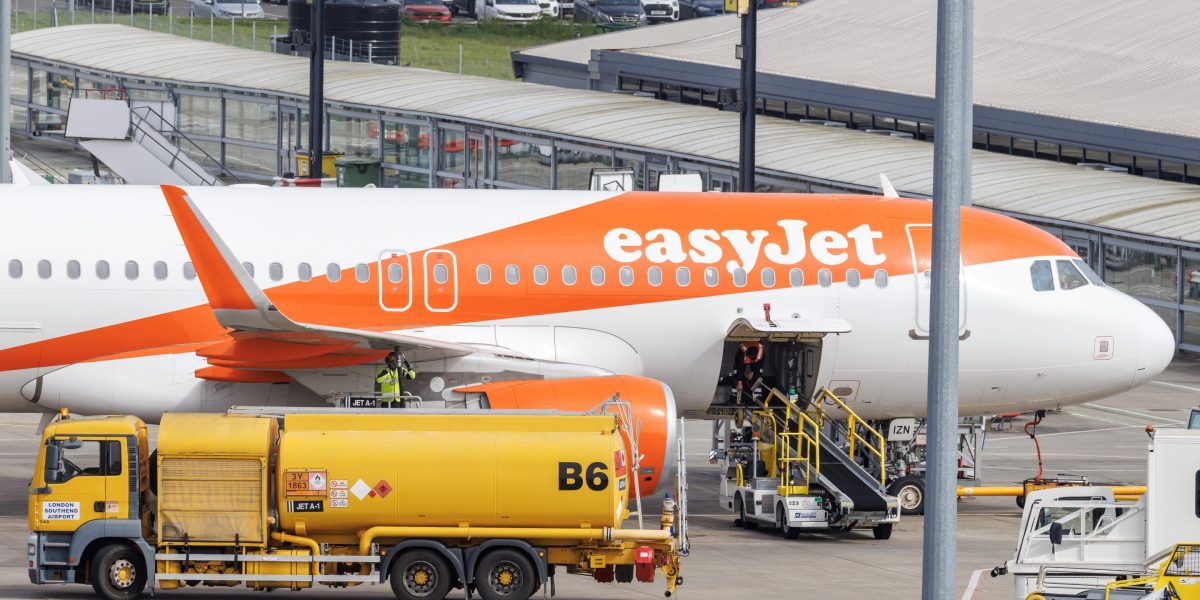
Source: Fortune
Summary
Airlines worldwide are cutting flights and grounding planes due to rising jet-fuel prices, with global capacity reduced by 3% in May. Carriers such as KLM, United Airlines, and Cathay Pacific are pruning itineraries to contain costs. The industry is bracing for a challenging summer travel season, with the US naval blockade of the Strait of Hormuz cutting off Iranian oil shipments. Airlines are entering self-preservation mode, with some suspending flights, reducing frequencies, and grounding older planes.
Our Reading
The numbers tell one story. Airlines are scrambling to cope with soaring fuel costs, and it’s not just about cutting flights. The recent adjustments in capacity signal a shift to self-preservation mode, with carriers expecting the conflict to be detrimental to business for the foreseeable future. Ed Bastian, Delta Air Lines’ CEO, says “any flying that we’re doing that’s on the margin… is likely going to be reconsidered.” The industry may have gained some breathing room with Iran’s announcement that the Strait of Hormuz is “completely open” to commercial traffic, but the situation remains brittle. As one analyst notes, “if the price of jet fuel remains elevated for an extended period, there will be more cancellations.”
It’s a test for the industry, and airlines are rethinking their routes, frequencies, and even their fleets. The situation is contagious, and it’s not just about the Middle East – it’s a global problem. The European Union is preparing a joint action plan in case the situation persists, and airlines are warning of “existential threats” unless measures are taken to lower fuel prices.
The announcement sounds familiar. Airlines are entering a familiar phase – one of cost-cutting and capacity reduction. The question is, how long will it last, and what will be the impact on the summer travel season?
The strategy enters a familiar phase. Airlines are focusing on self-preservation, and that means cutting costs, reducing capacity, and grounding older planes. It’s a short-term solution, but it may not be enough to mitigate the significantly increased fuel costs.
One original observation: The airline industry is facing a perfect storm of rising fuel costs, geopolitical instability, and reduced capacity – a toxic mix that may lead to a summer of discontent for travelers.
Author: Evan Null