Source: Fortune
Summary
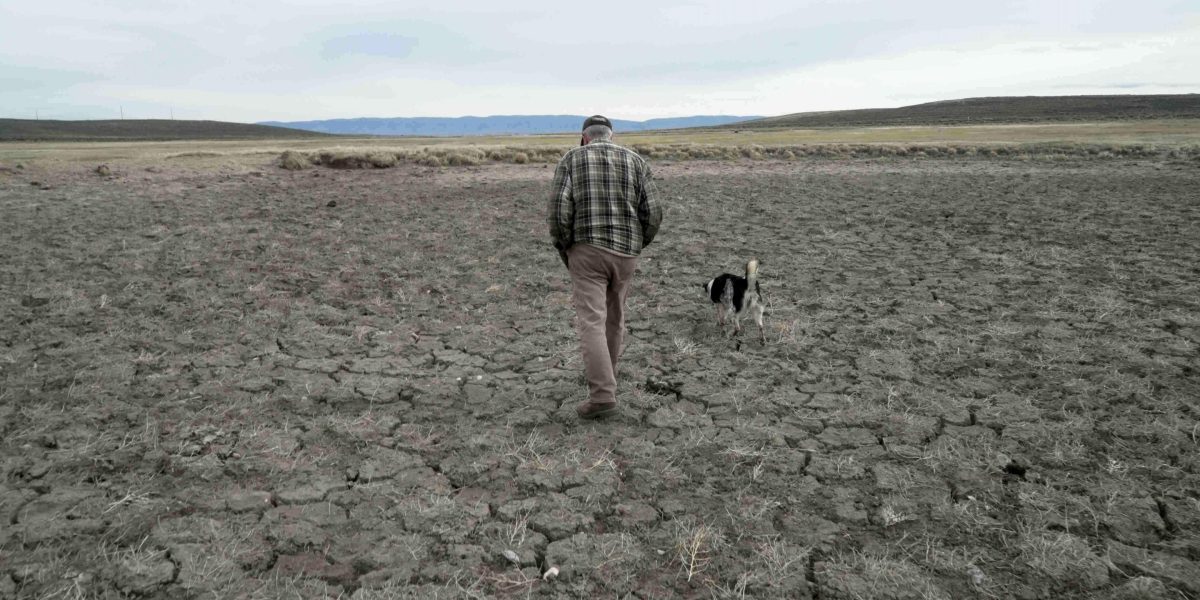
The contiguous United States is experiencing record levels of drought, with over 61% of the Lower 48 states in moderate to exceptional drought, according to the U.S. Drought Monitor. This is the highest level for this time of year since 2000. The drought is affecting the West and Southeast, with record heat and low snow levels exacerbating the issue. Meteorologists are concerned about the impact on the upcoming wildfire season, food prices, and western water issues.
Our Reading
The numbers tell one story.
The drought is not just a regional issue, but a national one, with 61% of the country affected. The West and Southeast are particularly hard hit, with record heat and low snow levels. The situation is exacerbated by climate change, which is driving more extreme weather events. The impact on agriculture and food prices is a major concern, with a poor crop year in the US potentially having global implications.
The drought is also a sign of a larger issue – the increasing frequency and severity of extreme weather events. As UCLA’s Park Williams noted, “All weather is now affected by climate change.”
The situation is being closely watched by meteorologists, who are warning of a potentially disastrous wildfire season. As Yale Climate Connections meteorologist Jeff Masters said, “Fire tends to respond to heat and drought in an exponential manner.”
The drought is also having a human impact, with concerns about water availability and the Colorado River. As Kathy Jacobs, director of the Center for Climate Adaptation Science and Solutions at the University of Arizona, noted, “Those of us who are dependent on the Colorado River… are very concerned about the fact that we don’t have a negotiated path forward.”
Author: Evan Null