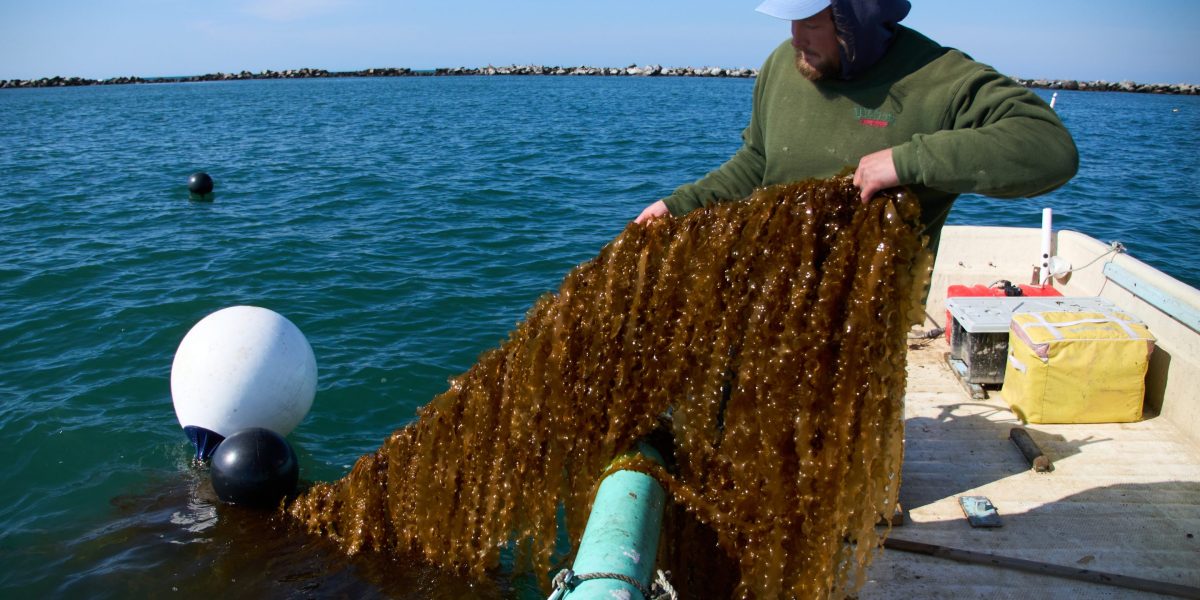
Source: Fortune.com
Summary
Researchers at the Woods Hole Oceanographic Institution are working on developing sustainable biofuels from kelp, a type of seaweed. Kelp can be grown in the ocean with minimal resources and can be converted into fuel through a process called hydrothermal liquefaction. However, despite its potential, the development of kelp-based biofuels is hindered by inconsistent government support and lack of demand from the energy sector. Farmers are reluctant to scale up kelp production without a guaranteed buyer, and energy companies are hesitant to invest in large-scale aquaculture projects.
Our Reading
The numbers tell one story.
Scott Lindell, a marine scientist, said “We need other sources of energy that are sustainable, we can’t just rely on petroleum.” Yet, government support for biofuels is inconsistent, and farmers are reluctant to scale up without a guaranteed buyer. Kelp production is currently more viable in products like cosmetics or food, rather than fuel. The lack of demand and regulatory hurdles are slowing down the expansion of kelp farming.
Lindell’s lab, funded by the MARINER program, focused on improving crop yield by selectively breeding kelp with desirable qualities. However, the program’s funding lasted only six years, and federal research funding opportunities have been fewer and delayed since then.
The urgent need for sustainable energy remains, but the development of kelp-based biofuels is stuck in a circular problem of lack of demand and investment.
The story of kelp-based biofuels is a familiar one of promising technology hindered by inconsistent government support and lack of demand.
Author: Evan Null