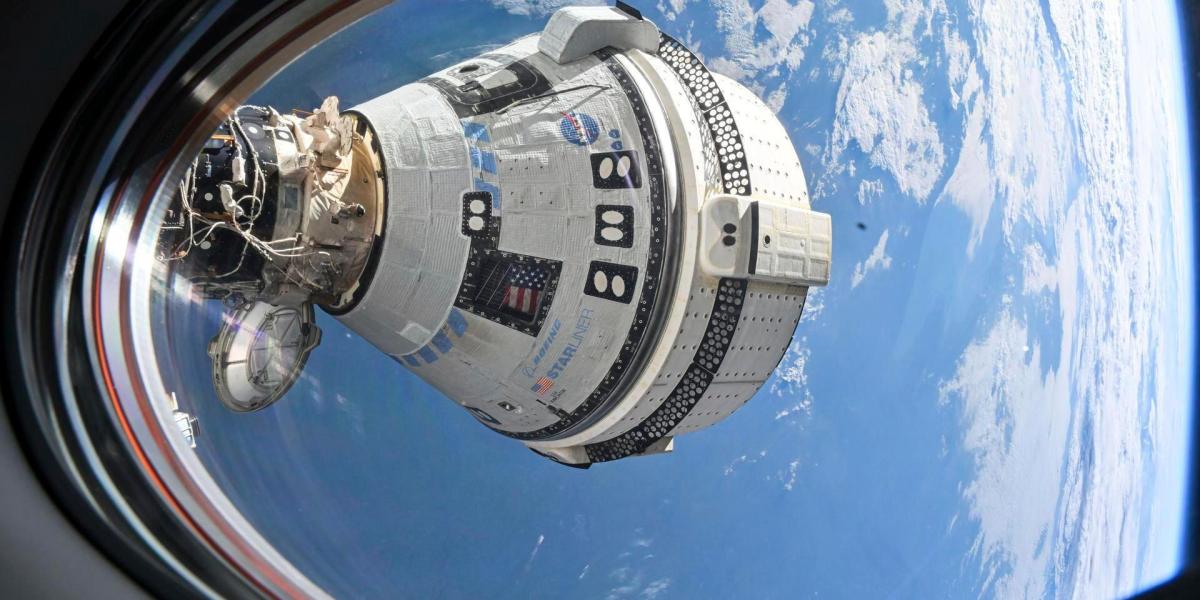
Source: Fortune
Summary
Corporations are increasingly turning to Venture Capital-as-a-Service (VCaaS) to invest in deep tech startups, including those focused on AI, robotics, and climate technology. This approach allows companies to diversify risk, access the best talent, and gain speed and optionality in these rapidly evolving fields. VCaaS is particularly well-suited for deep tech, which is characterized by high technical uncertainty, long development cycles, and significant capital risk. By investing in VCaaS, corporations can reduce risk and gain financially through access to cutting-edge technology innovation.
Our Reading
The numbers tell one story. Corporations are pouring billions into AI, robotics, and climate tech, with global VC investment in AI reaching $226 billion in 2025. But behind the numbers, a different story emerges. Corporations are struggling to innovate in these fields, and are turning to VCaaS as a way to mitigate risk and gain access to the best talent. The strategy enters a familiar phase, as companies seek to balance risk and reward in the pursuit of deep tech innovation.
Toyota, Samsung, and Alibaba are among the early movers in deep-tech corporate venturing, investing billions in startups and VC funds. But the real risk for corporations is not participating in deep tech at all – it’s entering too late or with the wrong structure. VCaaS offers a bridge between exploration and execution, providing a way for corporations to engage frontier innovation safely and methodically.
Author: Evan Null