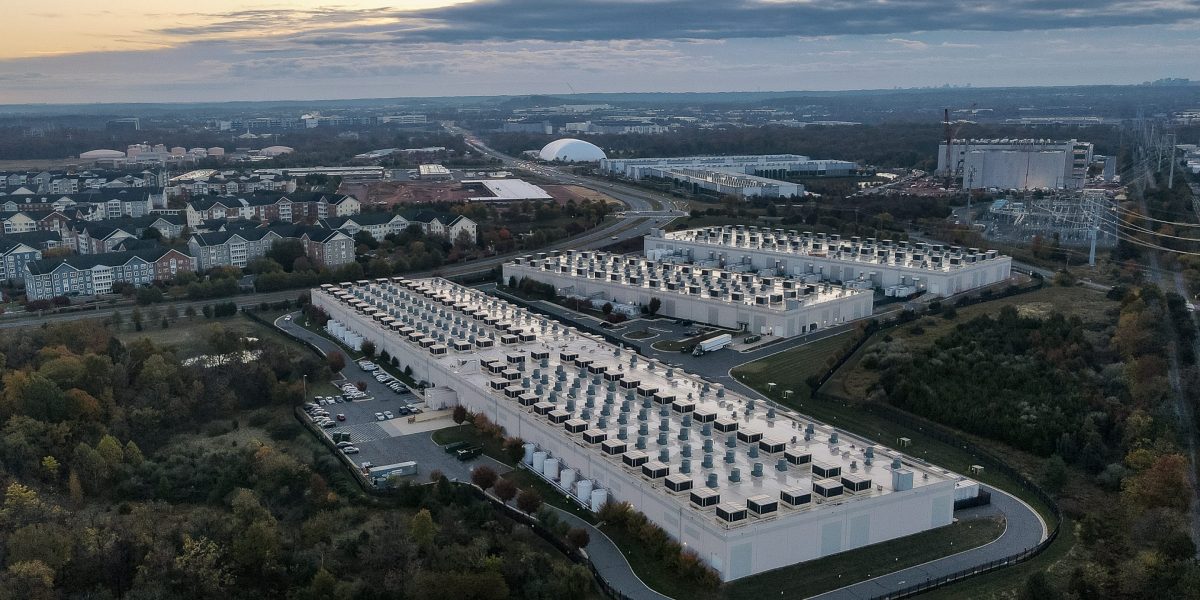
Source: Fortune.com
Summary
Data centers are being built rapidly across the US, with companies spending nearly $700 billion on AI infrastructure this year. To attract developers, 36 states offer tax breaks, with Virginia and Georgia providing $1.9 billion and $2.6 billion annually, respectively. Louisiana is offering $3.3 billion in tax breaks to Meta for its Hyperion data center, which could fund the state’s police budget for over seven years. Critics argue that these subsidies are wasteful and unnecessary for an industry that is growing quickly. State governments are racing to attract developers, but there is growing backlash against data centers, with local opposition blocking 48 projects in 2025 and a recent Gallup poll showing that over 70% of Americans oppose building data centers in their area.
Our Reading
The numbers tell one story. Meta is receiving a $3.3 billion tax break for its Hyperion data center in Louisiana, enough to fund the state’s police budget for over seven years. The company will also receive a 20-year exemption from state and local sales and use taxes on its data center equipment. This is just one example of the massive tax breaks being offered to data center developers, with Virginia and Georgia providing billions annually. The subsidies are likely larger than anyone can predict, according to Kasia Tarczynska, senior research analyst at Good Jobs First.
Meta’s tax break is just the tip of the iceberg. Amazon has received a 50-year $4 billion abatement and a separate $4 billion tax break for technology and property over the next 35 years. The subsidies total $8.2 billion. State governments are racing to attract developers, but there is growing backlash against data centers. The landscape of pushback is changing, with lawmakers in at least 28 states introducing proposals to amend or repeal existing tax breaks. The public cost of these projects is massive, and it’s unclear if there’s any benefit coming to local or state budgets.
As the industry continues to grow, the question remains: are these subsidies necessary? The answer, according to Tarczynska, is no. The industry is growing quickly and doesn’t need public investments or support. The subsidies are wasteful and unnecessary, and it’s time for state governments to rethink their approach.
Author: Evan Null