Source: Fox News
Summary
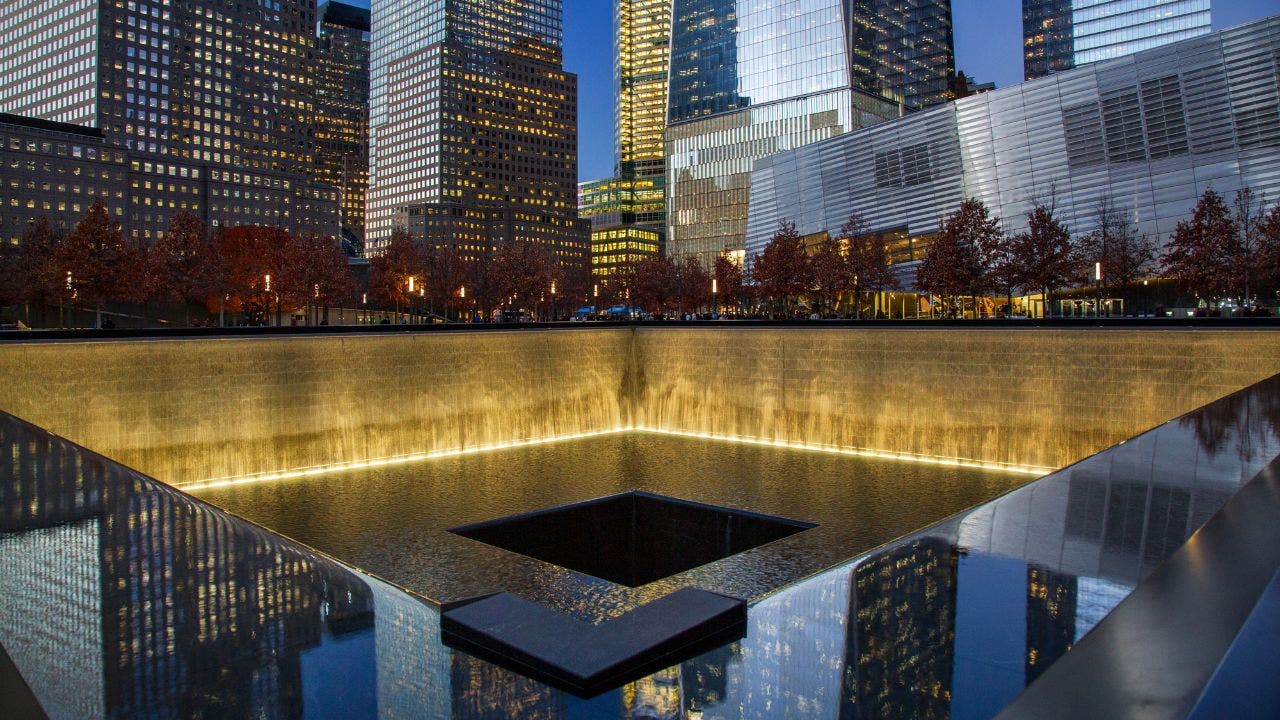
New York City Mayor Zohran Mamdani’s office released over 170,000 pages of records related to the aftermath of the 9/11 attacks, revealing concerns about the safety of the air around Ground Zero. The documents, including those from 2001 and 2002, show that asbestos was found in areas near the World Trade Center, including Stuyvesant High School. A 2002 memo from Mayor Michael Bloomberg’s office warned of potential public relations and legal issues related to indoor air quality. The records also show that asbestos levels in some areas exceeded cleanup benchmarks, raising concerns about long-term health risks.
Our Reading
As expected, the matter has reached another stage.
Documents show asbestos was found near Ground Zero.
Officials warned of risks but continued with cleanup efforts.
Tests revealed levels far above safety limits.
Time reveals the same pattern of neglect and delayed action.
Author: Evan Null
Key Findings from the Records
The records show that asbestos was found in areas near Ground Zero, including Stuyvesant High School. Testing revealed levels far above safety benchmarks, raising concerns about long-term health risks. The documents also highlight warnings from officials about the dangers of indoor air quality in Lower Manhattan.
Concerns Raised by Officials
A 2002 memo from Mayor Michael Bloomberg’s office warned of potential public relations and legal issues related to indoor air quality. The memo suggested that the city was not adequately informing people of the real health risks in Lower Manhattan. It also recommended that the city stop telling people to clean their apartments with wet mops and rags.
Asbestos Contamination in Schools
Stuyvesant High School, located less than half a mile from the World Trade Center, had elevated asbestos levels in its auditorium. Testing found asbestos concentrations that were 500 times higher than the cleanup benchmark. This raised concerns about the safety of students and staff.
Resident Complaints and EPA Response
Residents of Independence Plaza North reported ongoing health issues linked to the 9/11 dust. A tenant association wrote to the EPA, criticizing the agency’s reliance on visual inspections and urging more comprehensive testing. The EPA later awarded contracts for asbestos cleanup in the area.
Continued Asbestos Issues
Despite cleanup efforts, asbestos contamination remained in some Lower Manhattan apartments. Lori Mogol and Richard Zimbler, residents of Independence Plaza North, still had elevated levels of asbestos in their apartment as late as February 2003. This highlights the ongoing challenges of addressing the long-term effects of the 9/11 attacks.