—
Source: Fox News
Summary
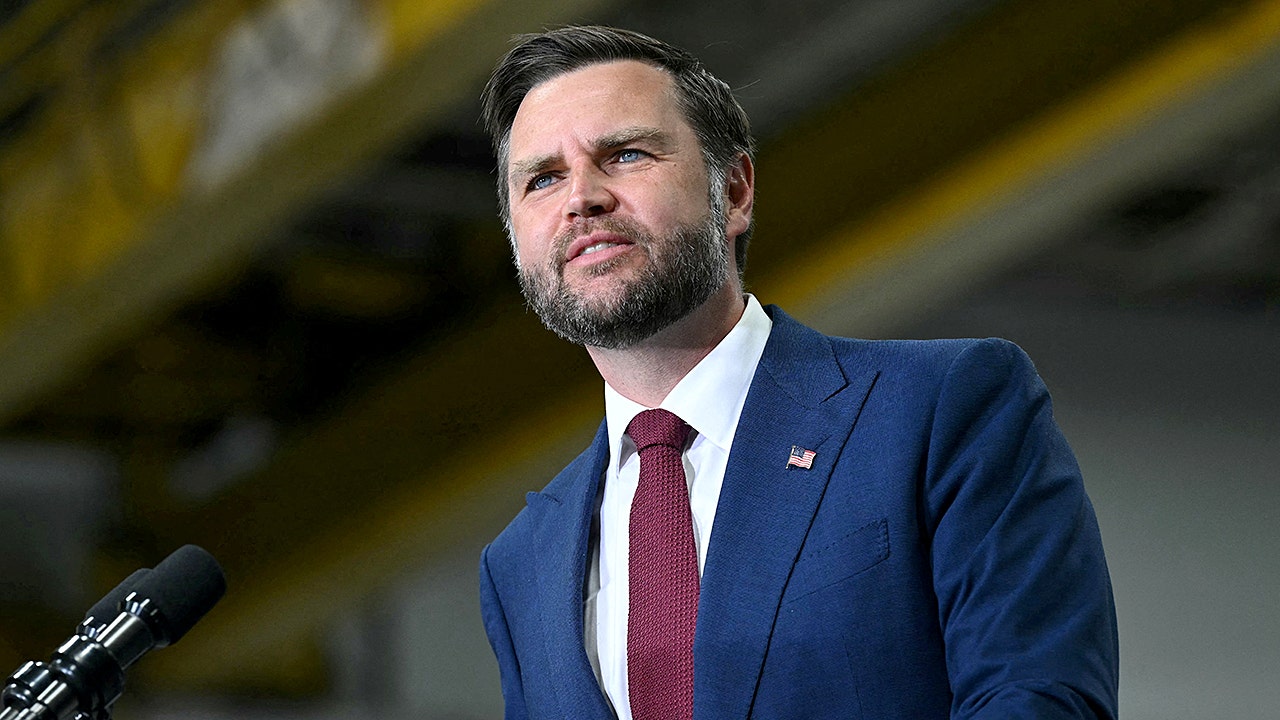
Vice President JD Vance participated in a town hall in Flat Rock, Michigan, as the state becomes a key battleground for Senate control in the upcoming midterms. Vance faced questions on gas prices, government corruption, immigration, and antisemitism. He attributed high gas prices to the Biden administration and Iran’s actions, denied corruption in the Trump White House, and criticized the H-1B visa system. Vance also condemned antisemitism but criticized Democratic candidate Abdul El-Sayed for his response to a synagogue attack.
Our Reading
As expected, the matter has reached another stage.
Vance blames Biden for gas prices, then shifts to Iran.
He denies corruption, then faces questions about Guilfoyle.
He defends his rhetoric on immigrants, then cites France as a warning.
He claims victory in the Iran war, then says gas prices would be higher without the Navy.
Author: Evan Null
Key Moments from the Town Hall
Vance faced questions from Michigan voters during a town hall in Flat Rock. The event was hosted by CBS News and took place as the state becomes a key battleground in the Senate race. Vance was questioned on gas prices, government corruption, and immigration.
The first question came from a 43-year-old Detroit barber who asked why gas prices remained high. Vance blamed Iran and the Biden administration, citing lost refining capacity. He also mentioned the Trump administration’s use of the Defense Production Act.
CBS News anchor Tony Dokoupil challenged Vance on his claims, noting that Trump and Vance had been in office for nearly two years. Vance denied seeing evidence of corruption from the president, despite recent allegations against Kimberly Guilfoyle.
Vance was also questioned about his immigration rhetoric, particularly his comments on H-1B visa workers. He defended his remarks, saying the system allowed companies to exploit foreign workers and replace American ones.
Vance faced a question about antisemitism in his base, following a recent synagogue attack in Michigan. He condemned antisemitism but criticized Democratic candidate Abdul El-Sayed for his response to the attack.
Gas Prices and Iran
Vance attributed high gas prices to Iran’s attacks on commercial shipping and the Biden administration’s policies. He claimed that 20% of American refining capacity went offline during Biden’s presidency. Vance also said the Trump administration was using the Defense Production Act to restore refining capacity.
CBS News anchor Tony Dokoupil challenged Vance’s claims, noting that Trump and Vance had been in office for nearly two years. Vance defended his statements, saying that rebuilding infrastructure would take time. He also claimed that the U.S. had already won the war with Iran, citing the destruction of its nuclear program.
Vance argued that the U.S. was still working to secure a long-term commitment from Iran not to rebuild its nuclear capabilities. He also claimed that Iran’s attacks on commercial shipping were disrupting global oil supplies and driving up gas prices.
Vance said that gas prices would be three times as high without the U.S. Navy protecting shipping through the Strait of Hormuz. He also cited the Navy’s role in preventing Iran from disrupting global energy supplies.
The exchange came as the U.S. continues to face challenges in the Middle East, with ongoing tensions between the U.S. and Iran. Vance’s comments reflect the broader political discourse around energy policy and national security.
Corruption and the Trump White House
Vance denied seeing evidence of corruption from the president or the administration, despite recent allegations against Kimberly Guilfoyle. Dokoupil pressed Vance on the allegations, along with concerns about restrictions on IRS scrutiny of Trump’s tax returns and the president’s cryptocurrency earnings.
Vance said selling access to the White House would be “disgusting and despicable” and that anyone responsible should face consequences. He also said he would comply with subpoenas investigating alleged corruption if Democrats took control of Congress in January.
The exchange came days after Guilfoyle resigned as U.S. ambassador to Greece amid allegations that she sought $100,000 from a donor seeking access to Trump administration officials. Guilfoyle has denied wrongdoing.
Vance’s comments reflect the ongoing scrutiny of the Trump administration and its allies, particularly in the wake of recent scandals. His denial of corruption highlights the political tensions surrounding the issue.
The conversation also touched on the broader issue of government accountability, with Vance emphasizing his commitment to following the law.
Immigration and H-1B Visas
Vance faced criticism over his rhetoric on immigration, particularly his characterization of H-1B visa workers as “foreign indentured servants.” A naturalized U.S. citizen challenged Vance, questioning why the administration was “scapegoating immigrants.”
Vance admitted that his rhetoric had been imperfect and acknowledged the need for improvement. He defended his remarks, arguing that his criticism was aimed at companies exploiting foreign workers rather than immigrants themselves.
Vance said the H-1B visa system gave employers too much power over foreign workers, allowing them to replace American workers with visa holders. He claimed that this system undermined the rights of foreign workers and created unfair competition.
Dokoupil pressed Vance on whether his rhetoric and that of the Trump administration dehumanized immigrants. Vance said his goal was not to dehumanize any immigrant and that he loved many immigrants.
However, Vance argued that allowing too many immigrants into the country too quickly could undermine social cohesion and change American communities. He cited examples of people who felt disconnected from their neighbors.
Antisemitism and the Synagogue Attack
Vance was urged by a Michigan voter to condemn antisemitism within his political base, including rhetoric from figures like Tucker Carlson. The question came from Eddie Rubin, a lifelong Democrat whose children survived the attack at Temple Israel in March.
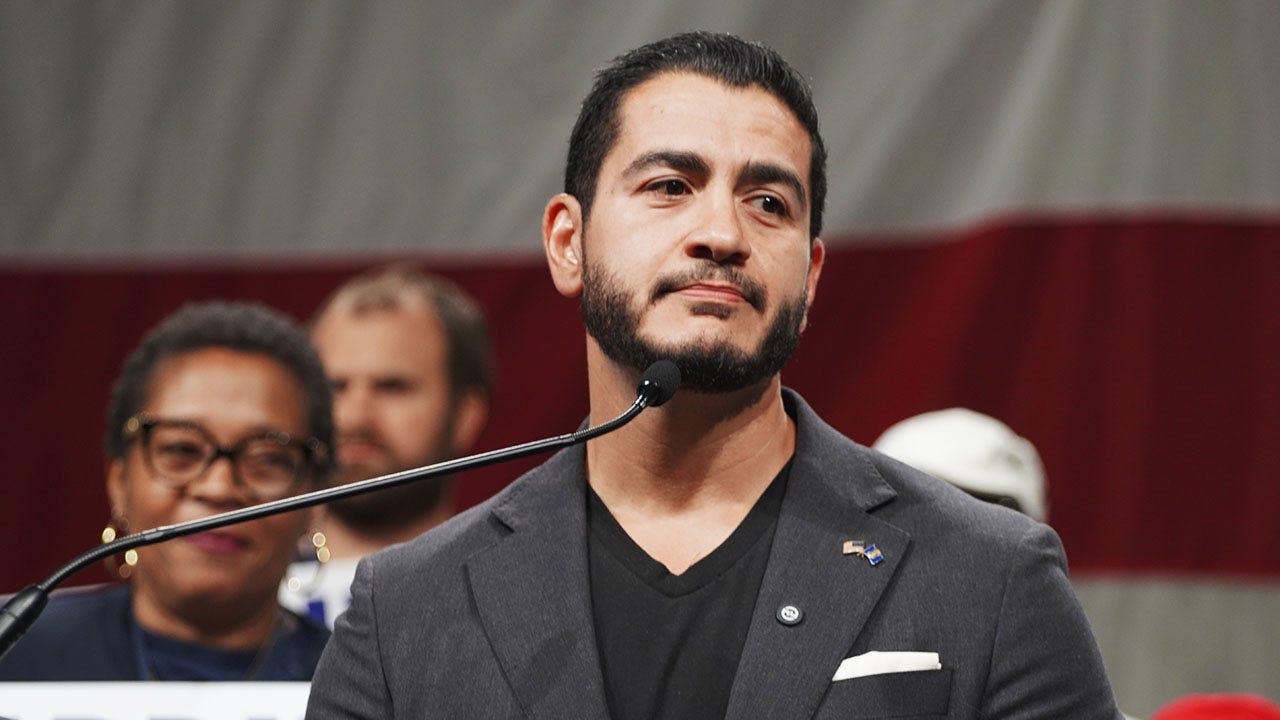
Vance condemned antisemitism and Jew hatred, but he also turned the conversation to Michigan’s Senate race. He criticized Democratic candidate Abdul El-Sayed for his response to the attack, pointing to El-Sayed’s remark that “hurt people hurt people.”
Vance argued that El-Sayed’s statement showed a lack of empathy, as it seemed to justify the violence against innocent children. El-Sayed later apologized, saying he never intended to justify the attack.
The exchange highlighted the ongoing debate over how to respond to antisemitism and the role of political rhetoric in shaping public perception. Vance’s comments reflected the broader political tensions surrounding the issue.
The synagogue attack and its aftermath underscored the importance of addressing antisemitism, even within political discourse. Vance’s response, while condemning the violence, also revealed the complex dynamics of political accountability.