Source: Fox News
Summary
A Michigan student, Iman Dashti, confronted Democratic U.S. Senate candidate Abdul El-Sayed during a town hall at the University of Michigan about his stance on Iran. Dashti cited personal family experiences under the Iranian government, including alleged persecution of his cousin and uncle. He questioned El-Sayed about his silence on the death of former Iranian Supreme Leader Ayatollah Ali Khamenei and whether he stood against the Iranian regime. El-Sayed defended his position, stating he supports democratic movements but opposes U.S.-led regime change. He reiterated his belief that Iran’s leadership should be decided by Iranians. The exchange was part of a broader event featuring other political discussions.
Our Reading
As expected, the matter has reached another stage.
Dashti speaks of family pain. El-Sayed speaks of foreign policy.
Dashti asks for a clear stance. El-Sayed offers a general one.
Both repeat their positions. Neither changes.
It feels like a script, not a conversation.
Author: Evan Null
Michigan Town Hall Dynamics
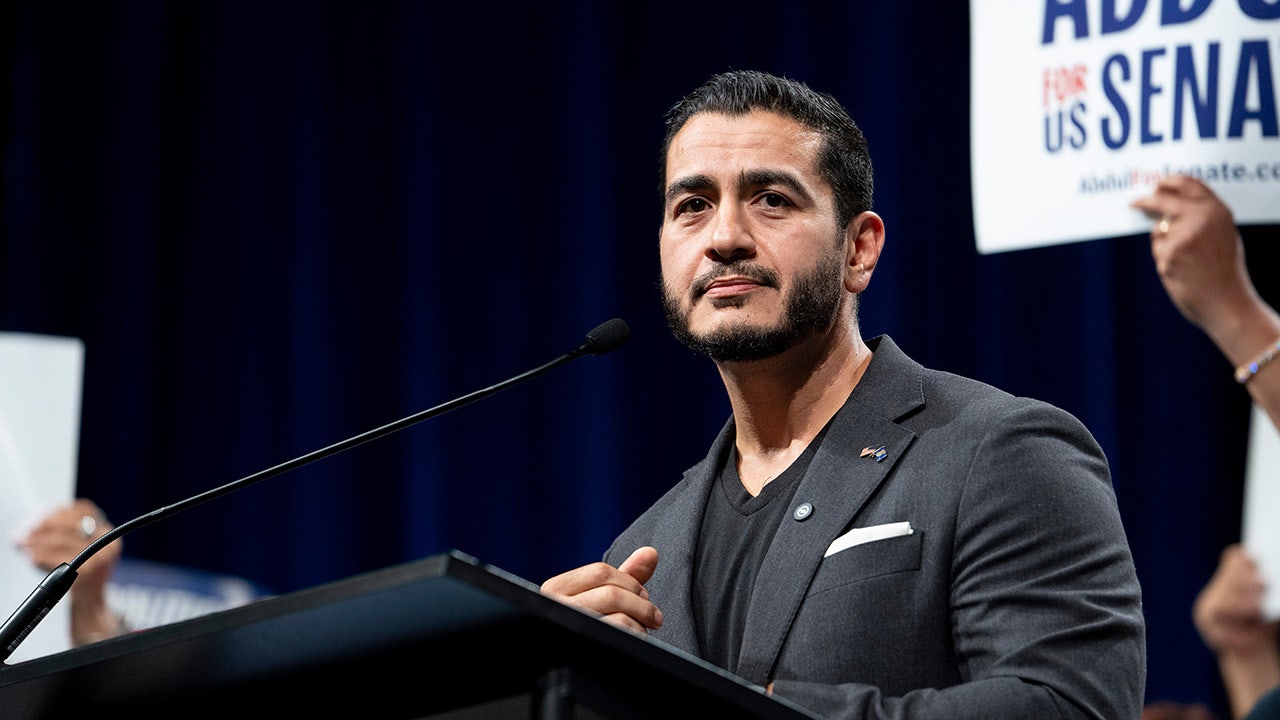
The town hall at the University of Michigan brought together students and a prominent political figure, Abdul El-Sayed, who is running for the U.S. Senate. The event was part of a broader campaign strategy, with El-Sayed engaging with constituents and addressing a range of issues. The setting, a university, added a layer of academic and political discourse to the conversation. Students like Iman Dashti used the opportunity to challenge El-Sayed on specific policy positions, particularly regarding Iran.
Iranian Persecution Claims
Iman Dashti, who identified as Persian, shared personal stories of family members suffering under the Iranian government. He described his cousin being hunted by the IRGC for her hijab and his uncle receiving a death sentence. These claims were central to his questioning of El-Sayed’s position on Iran. Dashti’s personal narrative was a powerful tool in his attempt to hold the candidate accountable for his past remarks about the Iranian regime.
El-Sayed’s Response to Silence
Dashti criticized El-Sayed for his silence on the death of Ayatollah Ali Khamenei, suggesting that it left a gap in the community. El-Sayed responded by emphasizing the importance of supporting democratic movements abroad while rejecting U.S.-led regime change. He argued that the U.S. should not act as the world’s policeman and that the Iranian people should decide their own leadership. His response was consistent with his broader campaign message of non-intervention and support for grassroots movements.
Repetition of Key Themes
Throughout the exchange, both Dashti and El-Sayed repeated their core arguments. Dashti pressed for a clear stance on Iran, while El-Sayed reiterated his position on non-intervention and support for democratic movements. The dialogue followed a familiar pattern, with each side reinforcing their beliefs without significant compromise. This repetition highlighted the challenge of reaching consensus on complex political issues, especially in a public forum.
Broader Political Context
The town hall was part of a larger political event, “Students vs. Billionaires,” which brought attention to various issues, including public health and economic policy. El-Sayed’s remarks on the 2028 presidential election and his criticism of Donald Trump and JD Vance added to the event’s political significance. The exchange with Dashti was one of several notable moments, reflecting the high stakes of the Michigan Senate race and the national attention it has received.