Source: Fortune
Summary
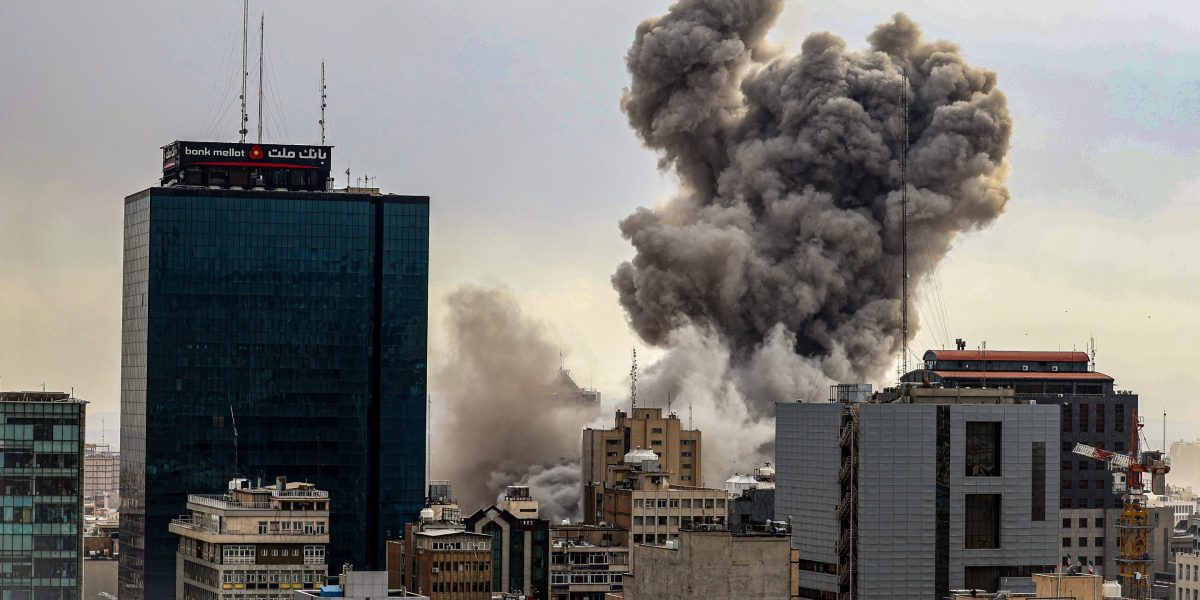
The ongoing war in the Middle East has led to a surge in mortgage rates in the US, making it even more expensive for prospective homebuyers. The 30-year fixed mortgage rate rose to 6.43% last week, its highest level since October 2025. Elevated oil prices and the shipping crisis in the Strait of Hormuz are contributing to the rate hike. The US housing market was already under pressure due to a housing shortage and concerns about the job market. Higher mortgage rates, coupled with affordability constraints and economic uncertainty, have pushed some potential homebuyers to the sidelines.
Our Reading
The announcement sounds familiar.
The war in the Middle East has sparked a “butterfly effect” across the global economy, with repercussions felt in the US housing market. KPMG chief economist Diane Swonk notes that higher-for-longer oil prices could hike inflation in the near term. The surge in mortgage rates is also hitting refinance demand, not just purchases. The war’s impact on energy and other commodities is adding insult to injury to an already faltering US economy. As one economist puts it, “higher mortgage rates, coupled with affordability constraints and economic uncertainty, pushed some potential homebuyers to the sidelines.”
The numbers tell one story: the 30-year mortgage rate is up to 6.43%, and the 10-year Treasury note is up to 4.39%. The Refinance Index dropped 15% from the prior week. But another story is unfolding – the war’s impact on the US economy is being felt far beyond the housing market, with grocery prices expected to take a hit and some economists invoking the dreaded S-word: stagflation.
Author: Evan Null