Source: Fortune
Summary
A ProPublica investigation reveals that MLB teams in the Dominican Republic are offering young players multimillion-dollar deals before they are legally eligible to sign contracts. These informal agreements often include high-interest loans and repayment terms that restrict players’ future earnings. The report highlights cases where players received advances with rates exceeding U.S. usury laws. MLB has acknowledged the need for reform, with Commissioner Rob Manfred advocating for an international draft to standardize the process. However, the proposal faces resistance from players and teams. The issue has led to legal battles, including one involving Padres star Fernando Tatis Jr., who sued a financial lender over a 10% earnings agreement.
Our Reading
The numbers tell one story.
MLB teams sign 450 Dominican prospects yearly.
Fewer than two-thirds make it to the minors.
Only 10% reach the majors.
The system rewards few, exploits many.
Author: Evan Null
Baseball is everything
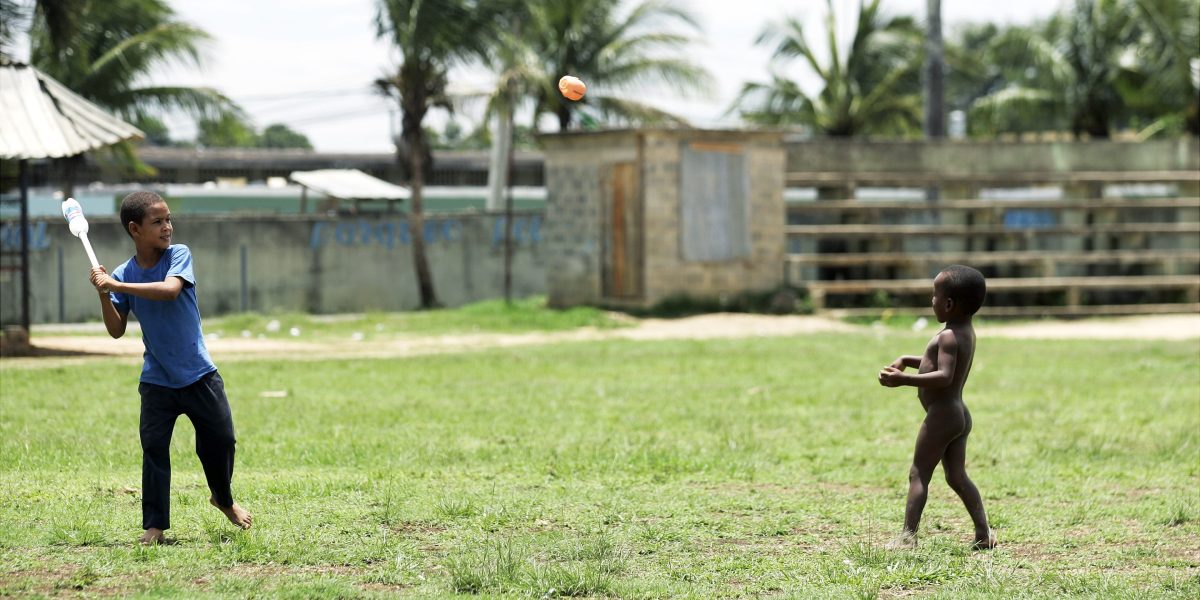
MLB teams sign roughly 450 Dominican prospects each year, but fewer than two-thirds make it to the lowest levels of the U.S. minor leagues. From the minor leagues, roughly 10% appear in an MLB game. The Dominican pipeline often sees children spend much of their adolescence preparing for a career that may never materialize. Many see education fall by the wayside as the young players move between academies and training. The issue has not gone unnoticed: the MLB has acknowledged that the Dominican system needs reform—League Commissioner Rob Manfred has argued for years that an international draft could eliminate the early-deal system by preventing teams from knowing which prospects they will be able to sign until a formal draft takes place.
We’ve already seen the ramifications
The financial consequences from the “predatory” contracts given to young prospects has already been seen. San Diego Padres star and Dominican Republic native has become one of the most prominent examples of what can happen to a young player who trades their future for the present. When Tatis Jr. was 18 and playing in the minor leagues in 2017, he signed an agreement with Big League Advance—receiving $2 million in exchange of 10% of his future professional baseball earnings. Tatis eventually became one of baseball’s highest-paid players, however. In 2021, he signed a 14-year, $340 million contract with the Padres. Under the BLA agreement, that contract potentially put $34 million on the hook for repayment to the company. Tatis stopped making payments in 2024 and sued BLA in 2025, arguing the company had used exploitative and predatory practices against young athletes, according to court documents.
That’s just the tip of the iceberg
And the behind-the-curtain deals to get around MLB’s rules are just the beginning. The Dominican farm system has had multiple scandals before—ranging from PED use in children and age and ID fraud. ESPN reported that a 14-year old Dominican prospect had died in April after allegedly being injected with performance-enhancing drugs from a baseball academy—and another Dominican prospect was suspended by the MLB in August for faking a birth certificate to appear two years younger. According to Baseball Almanac’s database of baseball players who have received suspensions from the MLB, over 52% of all PED suspensions in the league’s history have been enforced on Dominican-born players.
The system is broken, but the talk continues
The issue has remained unresolved since the idea’s inception, and the league has reintroduced the international draft for negotiation in June. “The discussion of an international draft is about how to divide players,” Mets shortstop Francisco Lindor—an alternate association player representative of the Players’ Association executive subcommittee—posted on X. “I’ve been in bargaining sessions for months…This issue is bigger than just Latin players or amateur players. It’s about all players and about the future of the game. We need to get it right.” The MLB and its Department of Investigation did not immediately respond to a request for comment from Fortune.
Exploitation is the norm, not the exception
The MLB’s international signing system allows teams to negotiate with prospects years before they are eligible to sign. These informal agreements often include high-interest loans and repayment terms that restrict players’ future earnings. The system has led to legal battles, including one involving Padres star Fernando Tatis Jr., who sued a financial lender over a 10% earnings agreement. The star’s legal fight failed, however. In May 2026, a judge rejected his effort to overturn an arbitration decision requiring him to pay BLA $3.74 million in back payments, interest and other costs. Reuters reported that Tatis had plans to appeal the result, and the court’s proceedings included findings relevant to whether BLA could be considered a lender under California law.