Source: Fox News
Summary
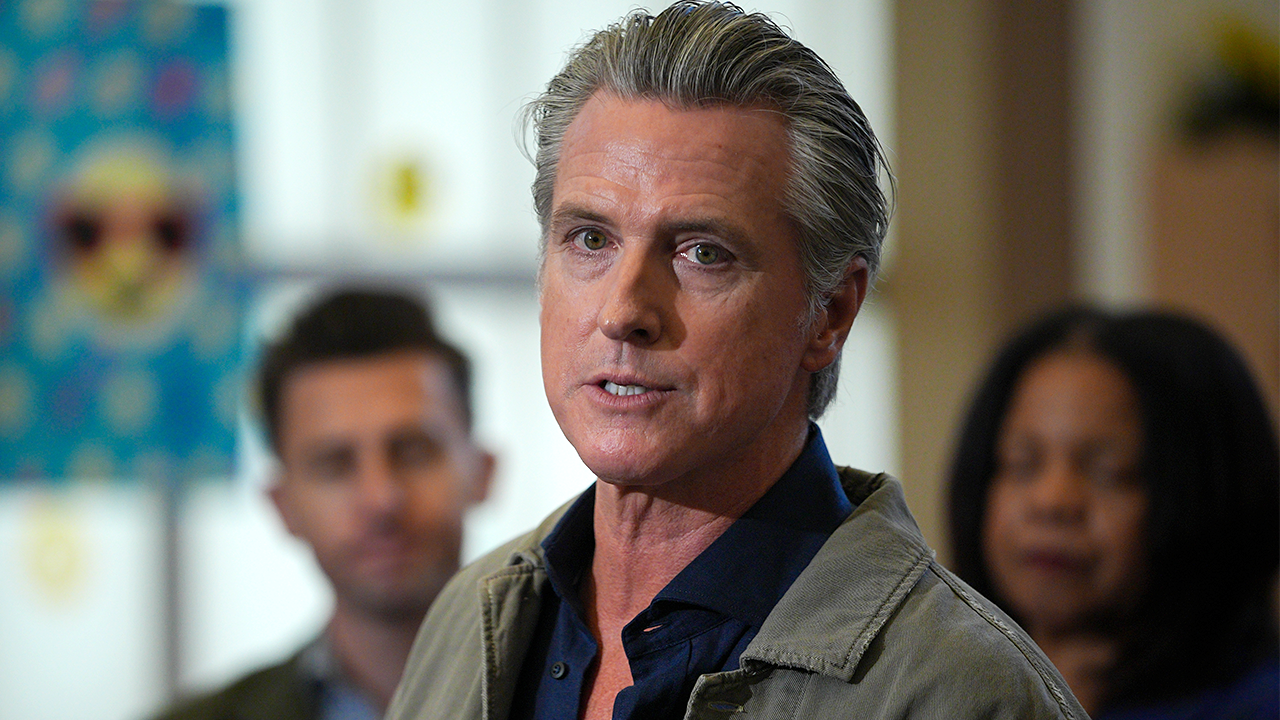
California Governor Gavin Newsom signed a bill protecting immigration support service providers from public scrutiny, which Republican Assemblyman Carl DeMaio claims criminalizes investigative journalism. The law shields addresses and images of workers, and DeMaio said it silences citizen journalists exposing fraud. He claimed the law, named after Nick Shirley, is an attack on First Amendment rights. Newsom’s office denied the bill targets Shirley or hides fraud. DeMaio plans to sue, with support from civil liberty groups.
Our Reading
As expected, the matter has reached another stage.
Carl DeMaio calls the law a threat to free speech.
Gavin Newsom signs a bill protecting service providers.
DeMaio claims the law hides fraud and silences critics.
The law is named after a journalist who exposes government waste.
Author: Evan Null
California’s New Law and the Debate Over Fraud
California’s new law, titled “Privacy for immigration support services providers,” has sparked a heated debate over its impact on investigative journalism. The law aims to protect the privacy of individuals and organizations involved in immigration support, but critics argue it goes too far by shielding them from public scrutiny.
Republican Assemblyman Carl DeMaio has been vocal in his opposition, claiming the law criminalizes the work of citizen journalists like Nick Shirley, who have exposed alleged fraud in government-funded programs. DeMaio said the law makes it illegal to document and share evidence of fraud online, which he views as a direct attack on free speech.
Governor Gavin Newsom’s office has denied that the law targets specific journalists or hides fraud. They argue that the bill is about protecting the privacy of workers and volunteers, not silencing critics. However, DeMaio and his allies continue to push back, stating that the law is an unconstitutional infringement on First Amendment rights.
The law is set to take effect on October 1, and DeMaio has already begun preparing a lawsuit to challenge its implementation. He has also reached out to the U.S. Department of Justice, hoping they will intervene in the case.
DeMaio has accused Newsom of creating a “monumental problem” with fraud and of using the law to protect politically aligned organizations. He claims that the law allows taxpayer-funded groups to operate without transparency, which he sees as a serious threat to public accountability.
DeMaio’s Claims and the Response From Newsom’s Office
Carl DeMaio has accused Governor Gavin Newsom of supporting a law that undermines free speech and allows fraud to go unchecked. He claims the bill, named after journalist Nick Shirley, is an attempt to silence critics and protect left-wing organizations that support Newsom’s political agenda.
DeMaio has called the law “unconstitutional” and has vowed to challenge it in court. He has also claimed that the law makes it illegal for citizen journalists to document and share evidence of fraud, which he sees as a direct threat to the public’s right to know.
Newsom’s office has denied these claims, stating that the law has nothing to do with Nick Shirley and that it does not hide fraud. They have accused DeMaio and other Republicans of spreading “fake conspiracy theories” and of not understanding the bill’s purpose.
The spokesperson for Newsom, Diana Crofts-Pelayo, said the law is about protecting the privacy of workers and volunteers, not silencing critics. She also claimed that the bill does not prevent journalists from exposing fraud, despite DeMaio’s assertions to the contrary.
Despite the denials, DeMaio and his allies remain determined to challenge the law, arguing that it is an unconstitutional attack on free speech and a dangerous precedent for public accountability.
The Role of Nick Shirley and the Alleged Fraud in California
Nick Shirley, a journalist who has been vocal about government fraud, has become a central figure in the debate over the new law. DeMaio has named the bill after him, claiming it is an attempt to silence his investigative work. Shirley has exposed alleged misuse of taxpayer funds by government-funded organizations, which he claims are not delivering the public services they are supposed to provide.
DeMaio has compared the fraud in California to the scandal in Minnesota, where daycare centers were found to be operating without children. He claims that California’s situation is far worse, with organizations receiving taxpayer money but failing to provide the services they are supposed to deliver.
According to DeMaio, these organizations are not just failing to provide services—they are actively engaging in political activities, such as organizing rallies and endorsing candidates. He claims they are an extension of the Democratic Party and are using taxpayer funds for political gain.
Shirley has been a target of criticism from Newsom’s office, which has called his reporting “grifting” and “lying.” Despite this, DeMaio and others continue to support his work, arguing that it is essential for holding government officials accountable.
The debate over the law and the alleged fraud in California highlights the growing tension between transparency and privacy, as well as the role of journalism in exposing government misconduct.
Political Tensions and the Legal Challenges Ahead
The new law has deepened the political divide in California, with Republicans and Democrats offering starkly different interpretations of its intent and impact. While Republicans like Carl DeMaio argue that it is an attack on free speech and public accountability, Democrats and the Newsom administration defend it as a necessary measure to protect the privacy of workers and volunteers.
DeMaio has already begun preparing a lawsuit to challenge the law, claiming it is unconstitutional and that it silences journalists like Nick Shirley. He has also reached out to the U.S. Department of Justice, hoping they will intervene in the case. However, Newsom’s office has dismissed these claims, accusing DeMaio of spreading false information and creating “fake conspiracy theories.”
The legal battle over the law is expected to be long and complex, with both sides presenting strong arguments. DeMaio and his allies believe the law is an unconstitutional infringement on First Amendment rights, while Newsom’s supporters argue that it is a legitimate effort to protect the privacy of individuals working in the public interest.
As the law approaches its October 1 implementation date, the political and legal battles over its validity are likely to intensify. The outcome of these challenges could have significant implications for the future of investigative journalism and government transparency in California.
The debate also reflects broader tensions in American politics, where issues of privacy, free speech, and government accountability often collide. As the legal process unfolds, the public will be watching closely to see how these issues are resolved.
The Broader Implications of the Law and the Debate
The new law and the debate surrounding it highlight the growing tension between government transparency and individual privacy. While some argue that the law is necessary to protect the privacy of workers and volunteers, others see it as a dangerous step toward silencing critics and hiding government misconduct.
The controversy has also brought attention to the role of investigative journalism in holding government officials accountable. Journalists like Nick Shirley have played a key role in exposing alleged fraud and misuse of taxpayer funds, and their work has become a focal point in the debate over the new law.
As the legal challenges continue, the outcome could set a precedent for future laws that balance privacy and transparency. The case will be closely watched by journalists, politicians, and legal experts, who are all interested in how the courts will rule on the issue.
The debate also reflects the broader political climate in California, where tensions between Democrats and Republicans are at a high. The new law has become a symbol of these tensions, with each side presenting its own interpretation of its intent and impact.
Ultimately, the outcome of this legal battle will have far-reaching implications, not just for California, but for the future of government accountability and free speech across the country. The public will be watching closely as the legal process unfolds.