
Owner Of Michael Jordan’s ‘Last Dance’ Finals Jersey Thinks It Could Sell For 10x The Price Of Current Record Holder
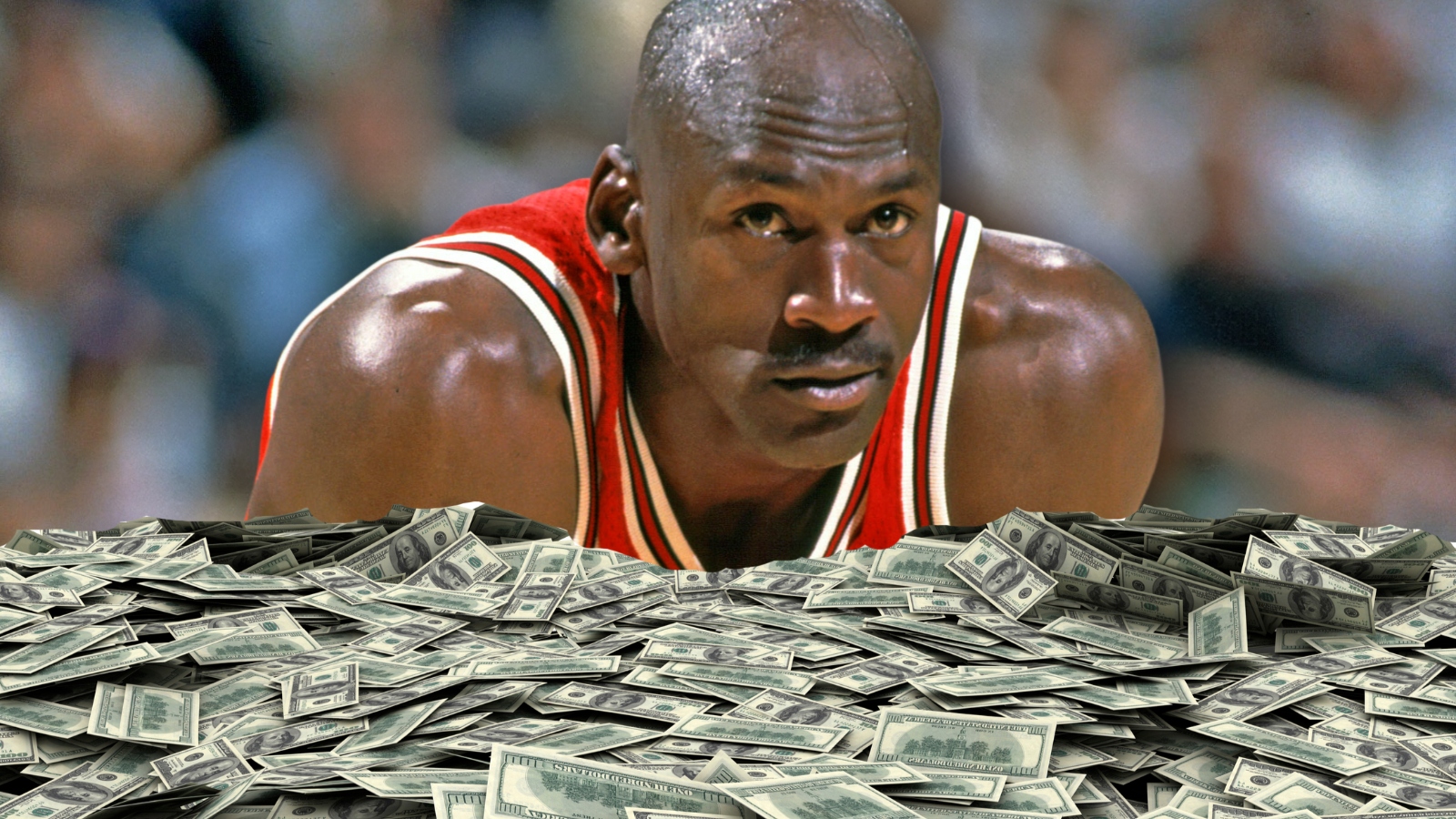
Source: BroBible
Summary
A Michael Jordan Game 3 jersey from the 1998 NBA Finals, worn during a 42-point victory, is expected to sell for $10 million to $15 million, according to auction estimates. The current record for a Jordan jersey is $10.091 million, set in 2022. The owner, Rob Gough, believes it could reach $100 million, a number that would surpass the $24.12 million paid for Babe Ruth’s jersey. The jersey has been verified by MeiGray and is part of the iconic “Last Dance” era.
Our Reading
The habit gets a new name.
Jerseys become fortunes.
History gets a price tag.
Records get rewritten.
100 million is just a number now.
Author: Evan Null
Why A Sweaty Jersey Is Worth More Than A House
The idea that a piece of fabric worn by a basketball legend could be worth more than a house is not new. But the scale of the prediction here is staggering. A single jersey, worn in a game that ended in a 42-point rout, is being compared to real estate, luxury cars, and even rare artifacts. The market for sports memorabilia has always been volatile, but this is taking it to a new level.
Rob Gough, the current owner, is not just a collector—he’s a sports investor. His confidence in the jersey’s value is based on its historical significance and the cultural impact of The Last Dance. But the jump from $10 million to $100 million is not just a stretch. It’s a leap of faith in the market’s ability to keep inflating.
The jersey’s value is also tied to the nostalgia factor. The 1998 Finals are one of the most iconic moments in NBA history, and Jordan’s performance in Game 3 is a key part of that story. The fact that it was a dominant win, not a close game, adds to its appeal. But does that make it worth ten times more than a similar jersey from the same series?
Even if the jersey sells for the high end of the estimate, it would still be one of the most valuable sports memorabilia items ever. But the idea that it could reach $100 million is more about the market’s current state than the item’s actual worth. It’s a reflection of how far the collectibles market has gone—and how much more it might go.
At this point, the only thing that’s certain is that the market is chasing its own tail. And the jersey, like so many other collectibles, is just another piece of the puzzle in a game that’s no longer about sports, but about money.
The Market For Sports Memorabilia Is Getting Wilder
The sports memorabilia market has always been a place for collectors and investors to buy and sell items of historical or cultural significance. But in recent years, it has become more speculative, with prices soaring to levels that defy logic. A single jersey, once a simple piece of clothing, is now a financial asset, and the market is treating it like one.
There are a few factors driving this trend. The rise of social media and the internet has made it easier for collectors to connect and share their passion. It has also made it easier for prices to be inflated, as buyers are willing to pay more for items that are perceived as rare or valuable. The popularity of shows like The Last Dance has also played a role, as it has reignited interest in Jordan’s legacy and the memorabilia associated with it.
But the real driver of the current market is the sheer volume of money flowing into it. With more investors entering the space, the demand for high-value items has increased, pushing prices to new heights. This has created a cycle where the more something is worth, the more people want to buy it, and the more it becomes worth. It’s a self-fulfilling prophecy that has turned sports memorabilia into a speculative asset.
At the same time, the market is becoming more exclusive. High-value items are no longer just for collectors—they’re for investors looking to make a profit. This has led to a situation where the value of an item is not just about its historical significance, but about its potential to appreciate in value over time. It’s a shift that has changed the way people think about sports memorabilia, turning it from a passion into a business.
And with the prediction that this jersey could reach $100 million, it’s clear that the market is not just chasing trends—it’s chasing the next big thing. Whether that’s a good thing or a bad thing is another question altogether.
The Role Of Nostalgia In The Collectibles Market
Nostalgia has always played a role in the collectibles market, but it has become more powerful in recent years. People are willing to pay more for items that remind them of the past, especially when those items are tied to iconic moments or figures. In the case of Michael Jordan’s jersey, the nostalgia factor is huge. The 1998 Finals are one of the most memorable moments in NBA history, and the jersey is a direct link to that moment.
The Last Dance documentary has only amplified that nostalgia. It has brought Jordan’s legacy back into the spotlight, making his memorabilia more valuable than ever. The documentary has also created a new generation of fans who are willing to pay top dollar for items that are associated with the Jordan era. This has led to a surge in demand for Jordan-related memorabilia, with prices climbing as a result.
But nostalgia is not just about the past—it’s also about the present. The market is not just looking at what happened, but what could happen. The prediction that this jersey could sell for $100 million is not just based on its historical significance, but on the belief that the market will continue to grow. It’s a bet on the future, not just the past.
This kind of speculation is not unique to sports memorabilia. It’s a trend that has spread to other areas of the collectibles market, from art to music. But in the case of sports memorabilia, the stakes are higher. The items are not just valuable—they’re iconic. And that makes them even more desirable to collectors and investors alike.
As a result, the market is becoming more about the story behind the item than the item itself. The jersey is not just a piece of clothing—it’s a piece of history, a symbol of greatness, and a potential investment. And in a market that’s driven by speculation, that’s what makes it valuable.
The Economics Of A Sweaty Jersey
At its core, the economics of a sports memorabilia auction is simple: supply and demand. The fewer items there are, the more valuable they become. That’s why a single jersey from a historic game is worth so much more than a jersey from a regular season game. But in this case, the value is not just about rarity—it’s about the story behind the item.
The jersey in question is not just any jersey. It’s the one Jordan wore in a game that helped secure his sixth and final championship. It’s a piece of history, and that history is what gives it value. But the value is also tied to the market’s perception of that history. If the market believes the jersey is worth $100 million, then it will be worth $100 million, regardless of its actual worth.
This is the nature of speculative markets. They are driven by perception, not by fundamentals. The value of an item is not just based on its physical characteristics, but on how people view it. And in this case, the perception is that this jersey is worth far more than it actually is. That’s what makes the prediction of $100 million so interesting—and so questionable.
But even if the jersey doesn’t reach that number, it’s still a valuable item. The fact that it’s being auctioned at all is a testament to its significance. And the fact that people are willing to pay so much for it is a testament to the power of nostalgia and the strength of the market.
So while the prediction of $100 million may seem unrealistic, it’s not entirely out of the question. The market has proven time and time again that it can be unpredictable, and that’s what makes it so fascinating—and so risky.
The Future Of Sports Memorabilia Auctions
The future of sports memorabilia auctions is uncertain, but one thing is clear: the market is not going to slow down. With more collectors and investors entering the space, the demand for high-value items is only going to increase. This means that prices will continue to rise, and the market will become even more speculative than it already is.
But this also means that the market will become more volatile. Prices will fluctuate based on a variety of factors, from the popularity of a player to the state of the economy. A single event, like a major sports scandal or a change in consumer behavior, could send prices plummeting. That’s the risk that comes with investing in sports memorabilia.
At the same time, the market is becoming more global. Collectors from around the world are now part of the auction process, which means that the demand for high-value items is not just limited to the United States. This has led to a situation where the value of an item is determined by a global audience, not just a local one.
And with the rise of online auctions, the process has become more accessible. People who might not have had the opportunity to bid on high-value items in the past can now participate from anywhere in the world. This has created a more competitive market, where the highest bidder wins, regardless of where they’re from.
So while the prediction of $100 million for Jordan’s jersey may seem extreme, it’s not entirely out of the realm of possibility. The market is evolving, and with it, the way we think about sports memorabilia. What was once a niche hobby is now a multi-billion-dollar industry, and the future is only going to get more unpredictable.
