Source: Fortune
Summary
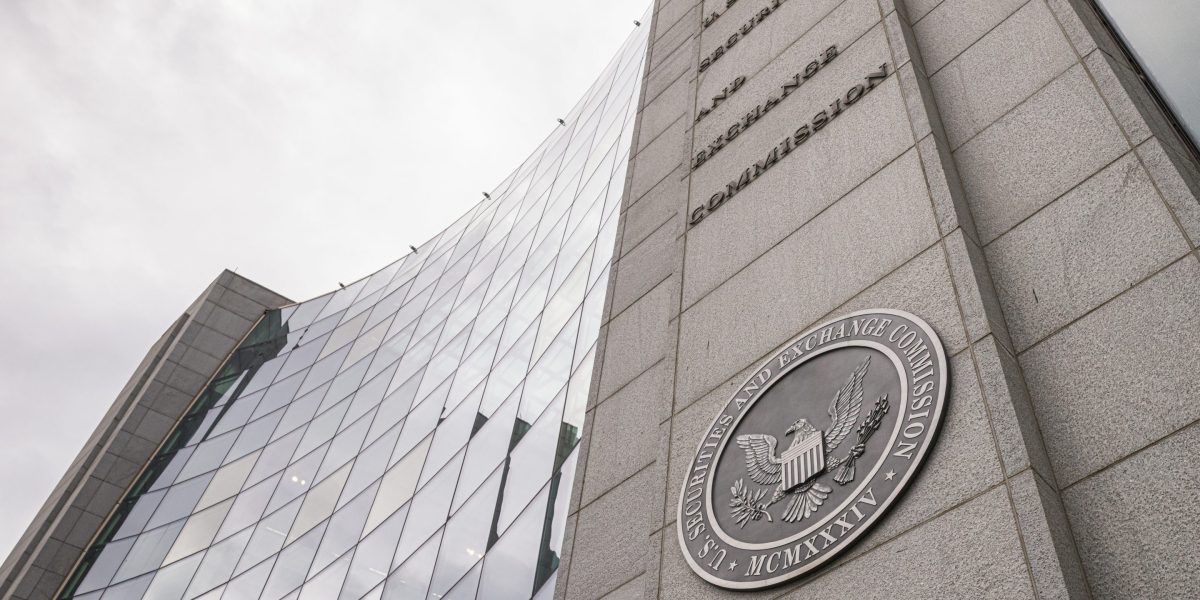
The U.S. Securities and Exchange Commission has issued subpoenas to major Wall Street banks over the trading activity of the hedge fund Situational Awareness, according to people familiar with the matter. The fund faced pressure and liquidated many positions last month. The New York Times reported on the SEC’s actions. A spokesperson for the SEC declined to comment. Situational Awareness said it would cooperate with regulators, noting that it is a highly-regulated business.
Our Reading
The numbers tell one story.
The SEC is asking questions.
Banks are being pulled into the inquiry.
Situational Awareness is cooperating.
Regulators are watching high-profile funds closely.
One sentence that reframes the situation: The fund’s dramatic swings are now drawing the attention of the watchdogs.
Author: Evan Null
SEC Subpoenas Wall Street Banks
The U.S. Securities and Exchange Commission has sent subpoenas to major Wall Street banks as part of an investigation into the hedge fund Situational Awareness. The fund faced significant pressure and was forced to liquidate many of its positions last month. The inquiry is focused on the fund’s trading activity, according to people familiar with the matter. The New York Times reported on the SEC’s actions, but the agency has not confirmed the details.
The fund’s liquidation came after a wave of margin calls during the AI stock rout. Citadel, led by Ken Griffin, bought the bulk of its public stock bets. Situational Awareness said it would fully cooperate with any regulatory requests, calling itself a highly-regulated business. The SEC has not indicated whether the inquiry will lead to enforcement actions.
The fund’s dramatic drawdowns and high-profile status have drawn regulatory scrutiny. The SEC’s involvement suggests it is looking into the fund’s activities, but the agency has not confirmed if it is the focus of a full investigation. The inquiry could have broader implications for how hedge funds operate and how regulators respond to market volatility.
Wall Street banks are now under pressure to provide information about their dealings with Situational Awareness. The fund’s recent struggles highlight the risks of high-stakes trading, especially in volatile markets. The SEC’s actions reflect a broader trend of increased oversight in the financial sector.
While the SEC has not commented on the matter, the subpoenas signal that regulators are paying close attention to the fund’s activities. Situational Awareness has not commented beyond its statement, but the situation is likely to continue drawing attention from both investors and regulators.
Regulatory Scrutiny of High-Profile Funds
Regulatory bodies are increasingly focused on high-profile funds that experience significant gains or losses. Situational Awareness is one such fund, and its recent struggles have drawn the attention of the SEC. The fund’s liquidation and the involvement of major players like Citadel have raised questions about the stability of its investments. The SEC’s subpoenas suggest that it is looking into the fund’s trading activity, but it is not yet clear if this will lead to any formal action.
The fund’s dramatic drawdowns have made it a target for regulatory scrutiny. The SEC is known for investigating funds that generate significant returns or face major losses, especially when those events are tied to market volatility. Situational Awareness’s recent performance has put it in the spotlight, and the agency’s involvement is a sign that it is taking the matter seriously.
Wall Street banks are now being asked to provide information about their dealings with the fund. This could have implications for how financial institutions handle their relationships with hedge funds. The SEC’s actions are part of a broader effort to ensure that the financial system remains stable and transparent.
While the SEC has not confirmed whether the fund is the focus of an investigation, the subpoenas indicate that it is at least under review. The agency has a history of conducting thorough investigations, and the outcome of this one could set a precedent for how similar cases are handled in the future.
The fund’s statement about cooperating with regulators suggests that it is aware of the seriousness of the situation. However, it remains to be seen how the investigation will unfold and what impact it will have on the fund’s future operations.
The Role of Margin Calls in Fund Liquidation
The liquidation of Situational Awareness’s positions was driven by a surge in margin calls during the AI stock rout. This event forced the fund to sell off many of its holdings, leading to significant losses. The pressure from margin calls is a common challenge for hedge funds, especially during periods of market volatility. The situation highlights the risks associated with leveraged trading and the importance of maintaining sufficient capital reserves.
Ken Griffin’s Citadel stepped in to buy the bulk of the fund’s public stock bets, providing some relief. This move helped stabilize the fund’s position, but it also raised questions about the role of large financial institutions in supporting struggling hedge funds. The involvement of Citadel underscores the interconnectedness of the financial system and the potential for one institution’s actions to impact others.
The AI stock rout created a perfect storm for Situational Awareness, as its investments were hit hard by the market downturn. The fund’s decision to liquidate its positions was a necessary step to avoid further losses, but it also exposed the vulnerabilities of its investment strategy. The situation serves as a cautionary tale for other hedge funds that rely heavily on volatile sectors.
The timing of the SEC’s inquiry coincides with the fund’s recent struggles, suggesting that regulators are paying close attention to how hedge funds manage risk. The agency’s actions could influence how similar funds approach their investments in the future. The outcome of the inquiry may also have implications for how regulators respond to market downturns.
While the fund’s liquidation was a difficult process, it highlights the challenges that hedge funds face in volatile markets. The involvement of the SEC adds another layer of complexity, as the fund now must navigate both market pressures and regulatory scrutiny.
SEC’s Role in Financial Oversight
The U.S. Securities and Exchange Commission plays a critical role in overseeing the financial markets and ensuring that investors are protected. Its involvement in the Situational Awareness case shows that it is actively monitoring the activities of high-profile hedge funds. The agency’s subpoenas are a standard part of its investigative process and do not necessarily indicate that the fund is the focus of a full-blown investigation.
The SEC’s actions are part of a broader effort to maintain market integrity and prevent fraudulent or manipulative practices. While the agency has not confirmed whether Situational Awareness is the subject of an investigation, its involvement suggests that it is looking into the fund’s activities. The agency has a history of conducting thorough investigations, and the outcome of this one could have significant implications for the hedge fund industry.
The fund’s statement about cooperating with regulators reflects its awareness of the importance of compliance. As a highly-regulated business, Situational Awareness must navigate a complex web of rules and requirements. The SEC’s inquiry could lead to changes in how the fund operates, particularly in terms of risk management and transparency.
The involvement of the SEC also highlights the growing scrutiny of hedge funds, especially those with large positions in volatile sectors like AI. The agency’s actions are part of a larger trend of increased oversight in the financial sector, driven by concerns about market stability and investor protection.
While the SEC has not confirmed whether the fund is the focus of an investigation, the subpoenas indicate that it is under review. The agency’s actions could set a precedent for how similar cases are handled in the future, influencing the way hedge funds operate and how regulators respond to market volatility.
Market Volatility and Hedge Fund Risks
The recent AI stock rout has exposed the risks associated with high-stakes trading, particularly for hedge funds that rely on volatile sectors. Situational Awareness’s liquidation of its positions highlights the challenges that these funds face when markets move against them. The pressure from margin calls forced the fund to sell off its holdings, leading to significant losses and a dramatic drawdown.
The situation underscores the importance of risk management in the hedge fund industry. Funds that take on excessive leverage or invest heavily in volatile assets are particularly vulnerable to market downturns. The AI stock rout created a perfect storm for Situational Awareness, as its investments were hit hard by the market decline. The fund’s struggles serve as a reminder of the risks involved in speculative trading.
The involvement of Citadel in purchasing the fund’s public stock bets provided some relief, but it also raised questions about the role of large financial institutions in supporting struggling hedge funds. The situation highlights the interconnectedness of the financial system and the potential for one institution’s actions to impact others. The fund’s recent performance has put it in the spotlight, and the SEC’s inquiry is a sign that regulators are paying close attention.
The SEC’s actions are part of a broader trend of increased oversight in the financial sector, driven by concerns about market stability and investor protection. The agency’s involvement in the Situational Awareness case shows that it is actively monitoring the activities of high-profile hedge funds. The outcome of the inquiry could have significant implications for how these funds operate in the future.
The fund’s statement about cooperating with regulators reflects its awareness of the importance of compliance. As a highly-regulated business, Situational Awareness must navigate a complex web of rules and requirements. The SEC’s inquiry could lead to changes in how the fund operates, particularly in terms of risk management and transparency.