
Parent-Child Estrangement Trend Gains Attention
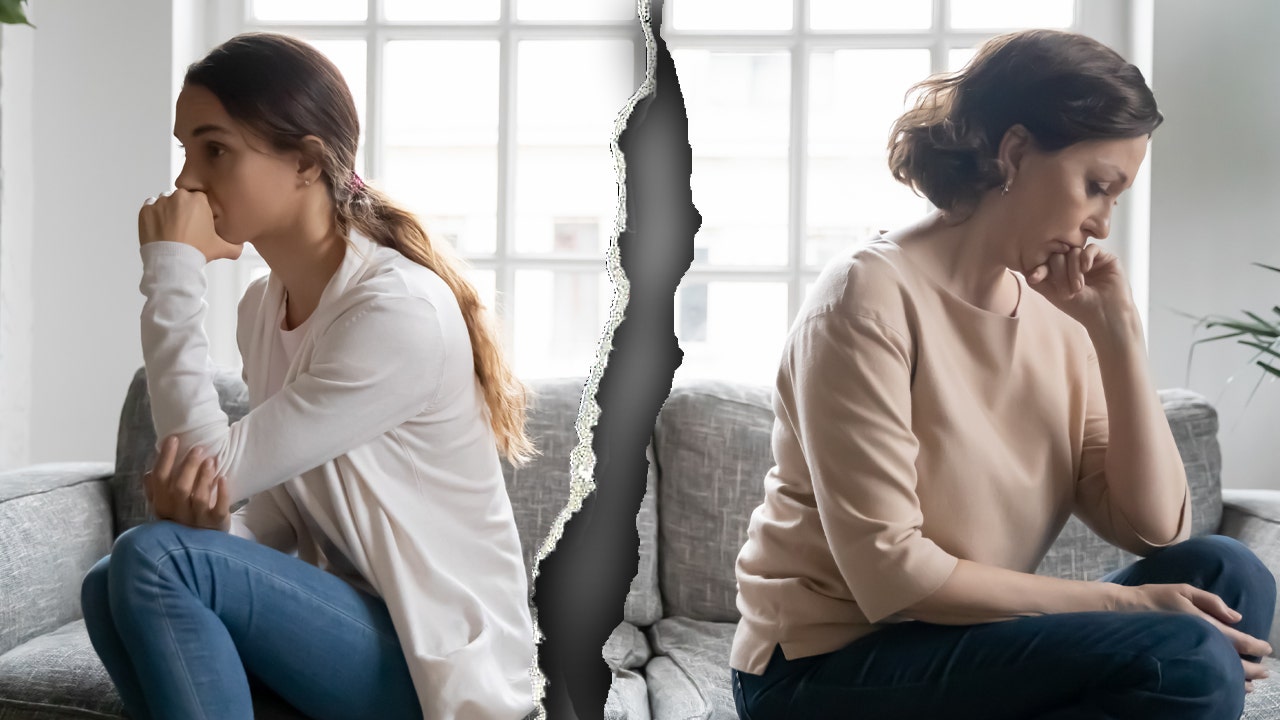
Source: Fox News
Summary
Laura Wellington, also known as “Doormat Mom,” has been open about her experience with parent-child estrangement after being cut off by her adult daughter in 2024. She has since built a large social media following and written a book about her experience. Wellington believes that estrangement is becoming more common and is often driven by political and cultural differences. She also thinks that societal narratives and the loss of traditional family values are contributing factors. Jonathan Alpert, a New York City psychotherapist, agrees that estrangement is becoming more common and is often a result of political identity and voting behavior.
Our Reading
The advice sounds familiar.
Parent-child estrangement is a painful and complex issue that is becoming more common. While it can be a necessary response to abuse or neglect, it is also often driven by political and cultural differences. Societal narratives and the loss of traditional family values are contributing factors. Estrangement can have severe emotional impacts on both parents and adult children. Reconciliation is possible, but it requires a shared belief that relationships can survive disagreement.
As Laura Wellington said, “You can’t force them into a relationship with you… Let life teach them — and if they’re meant to come back, they will come back.”
The normalization of estrangement as a response to family tensions is a concerning trend. It’s a form of moral signaling rather than a last-resort response to genuine harm.
Jonathan Alpert’s observation that “when therapy language and political culture reward rupture over repair, families are left divided long after the arguments fade” is a poignant reminder of the need for a more nuanced approach to family conflicts.
The pain of estrangement is a reminder that family relationships are complex and multifaceted, and that there is no one-size-fits-all solution.
In the end, it’s not just about the parents or the adult children, but about the kind of society we want to create.
