
Ukrainian Athlete Disqualified from Olympics
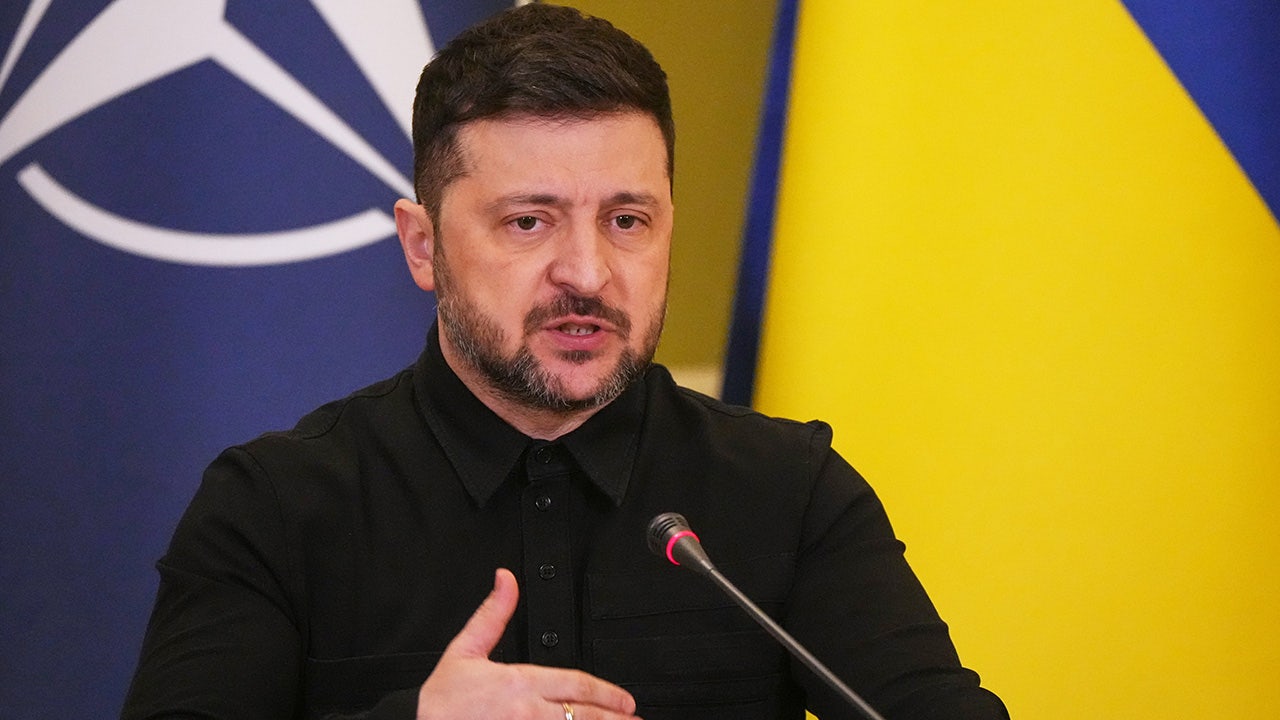
Source: Fox News
Summary
Ukrainian President Volodymyr Zelenskyy criticized the International Olympic Committee (IOC) for disqualifying Ukrainian skeleton athlete Vladyslav Heraskevych for wearing a helmet to honor victims of the war with Russia. The IOC claimed the helmet violated the organization’s policy against making political statements on the field of play. Zelenskyy argued that the decision was unfair and that the IOC should focus on stopping wars, not playing into the hands of aggressors. Heraskevych was disqualified, despite meeting with IOC President Kirsty Coventry before his competition, and receiving concessions such as wearing a black armband or displaying the helmet off the ice. The IOC expressed “regret” over the decision.
Our Reading
The game followed a familiar script.
A helmet, a war, and a disqualification – it’s a story we’ve seen before. The IOC claims it’s about keeping politics out of the game, but it looks like discrimination to many. The athlete’s message of remembrance is powerful, but it’s hard to ignore the timing. Meanwhile, Russian and Belarusian athletes compete under a neutral flag, while Ukrainian athletes are held to a different standard. It’s a reminder that sometimes, the Olympics feel more like a reflection of the world than a celebration of sport.
This one felt recognizable early.
Heraskevych’s helmet was a symbol of defiance, but it was also a symbol of the war that has taken the lives of over 20 athletes and coaches. The IOC’s decision to disqualify him was a blow to Ukraine’s athletes, who saw it as a sign of disrespect. The Olympics are supposed to be about coming together, but sometimes they feel like a reminder of the divisions that exist between nations.
The result wasn’t surprising by the end.
Zelenskyy’s anger was understandable, given the circumstances. The IOC’s decision was seen as an attack on Ukraine’s athletes and their right to express themselves. The Olympics are supposed to be a celebration of humanity, but sometimes they feel like a reflection of the world’s problems. It’s a reminder that even in the world of sport, politics can’t be ignored.
And in the end, it’s not about the medal.
It’s about the message. It’s about the reminder that war is real, and that athletes are not just athletes, but people who have been affected by conflict. The Olympics may be a celebration of sport, but they are also a reflection of the world we live in. And sometimes, that can be a painful reminder.
Original Observation: The Olympics have become a platform for nations to make statements, but it’s often a reminder that the world is not as united as we like to think.
