Source: Fortune
Summary
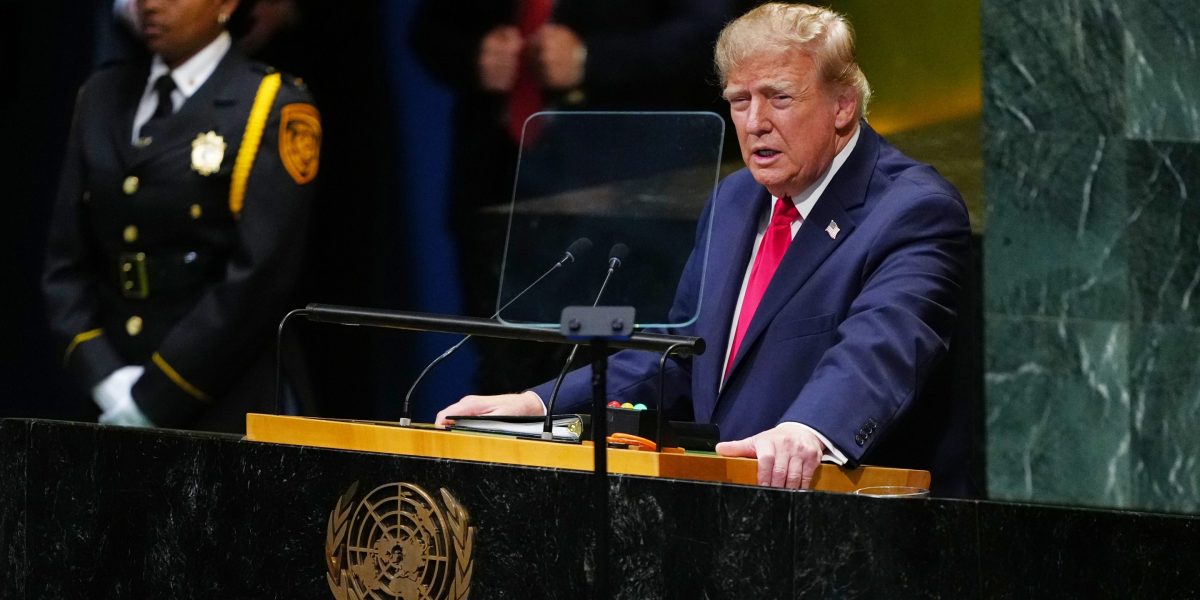
President Donald Trump’s primetime address on Iran left investors uncertain about the war’s end, causing market concerns. Trump downplayed the importance of the Strait of Hormuz, but experts argue it’s crucial for global trade. The war has led to rising gas prices, with diesel and jet fuel costs also increasing. Additionally, the price of polyethylene, a common plastic, has shot up 30%. Experts warn that prolonged closure of the Strait of Hormuz could hurt Americans’ pocketbooks through higher costs for food, plastics, and other goods. Nobel laureate Paul Krugman emphasized that the war’s impact goes beyond oil, affecting vital resources and potentially leading to a recession.
Our Reading
The numbers tell one story. President Trump’s words on the Strait of Hormuz don’t match the reality of rising gas prices and costs for critical resources. The war has already led to a 30% increase in polyethylene prices and a 70% rise in diesel costs. Dow CEO Jim Fitterling warned of petrochemical shortages fueling inflation. The impact of the war will be felt by American consumers through higher prices for food and goods. Krugman’s warning: “The diesel/jet fuel/plastics shock will lead, other things equal, to a more hawkish Fed—and an elevated risk of recession.”
Author: Evan Null