Fortune.com
Summary
Diesel prices in the U.S. reached a record $6.05 per gallon on Friday, according to AAA, complicating operations for farmers during the critical harvest season for soybeans and corn. The surge, linked to the six-month war with Iran disrupting global fuel supplies, has added to existing financial pressures on farmers already facing higher costs for fertilizer, seeds, and equipment. Paul Mitchell, a professor at the University of Wisconsin-Madison, noted that diesel costs affect not just harvesting but also transportation of crops. Farmers like Jason Kurtz in Missouri are paying twice as much for diesel, straining their already tight budgets. Prices are now 60% higher than before the U.S. and Israel’s conflict with Iran began in February.
Our Reading
The numbers tell one story.
Diesel prices hit $6.05 a gallon, up 60% since February.
Farmers face higher costs for fuel, fertilizer, and equipment.
Harvesting and hauling are now more expensive than ever.
Prices remain high as war disrupts global fuel flows.
Strapped farmers are cutting back, hoping for relief.
Author: Evan Null
Record Diesel Prices Hit U.S. Farmers
The price of diesel has reached a record high of $6.05 per gallon, according to AAA, as the war with Iran continues to disrupt global fuel supplies. This comes at a critical time for U.S. farmers, who rely heavily on diesel to power their equipment during the harvest season for soybeans and corn. The spike in prices has added to an already difficult year for farmers, who have also seen increased costs for fertilizer, seeds, and equipment.
The war in Iran has led to a six-month disruption in the flow of fuel, causing prices to soar. The national average for diesel was $3.76 per gallon before the conflict began in late February, but it has since risen significantly. This increase has put additional financial strain on farmers, many of whom are already struggling with tight budgets.
Paul Mitchell, a professor of agricultural and applied economics at the University of Wisconsin-Madison, explained that diesel costs are not just about harvesting, but also about transporting crops from the fields to the market. For farmers like Jason Kurtz in Missouri, the higher prices mean they have to make difficult decisions about which farm work to prioritize.
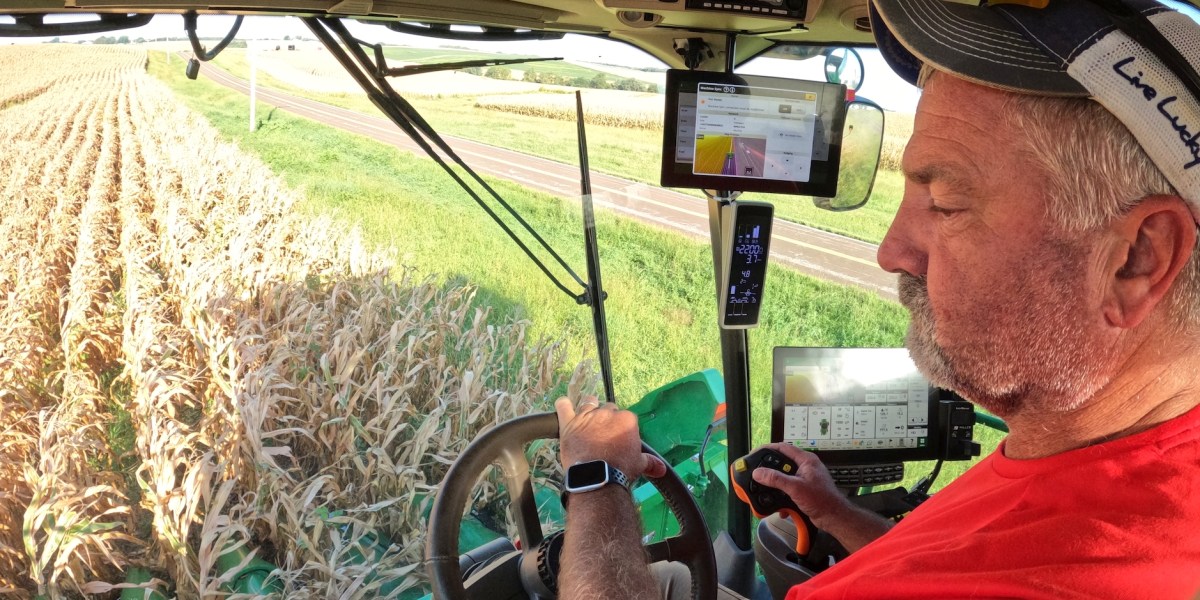
Kurtz, a corn and soybean farmer, said he is paying twice as much for diesel this year. His combine uses 200 gallons of fuel a day, and he expects to run it for 30 days. He also needs diesel for tractors and trucks, which further adds to his expenses. With his finances already tight, he is considering delaying some farm work until he hopes prices will drop.
The situation has left many farmers in a difficult position, as they try to balance the rising costs of fuel and other inputs with the need to harvest their crops. As Mitchell noted, farms that are already cash-strapped are the most affected, and many are having to figure out what to cut in order to make ends meet.
Farmers Face Rising Costs and Uncertainty
The combination of higher diesel prices and increased costs for other agricultural inputs has created a challenging environment for U.S. farmers. With the war in Iran continuing to impact global fuel supplies, it is unclear when prices will stabilize. This uncertainty makes it difficult for farmers to plan and budget effectively, as they must constantly adjust to changing conditions.
For many farmers, the decision to delay certain farm work is a necessary one, but it also comes with risks. Delaying harvests can lead to lower yields or reduced quality, which can impact their ability to sell their crops at a fair price. This adds another layer of complexity to an already difficult situation.
Despite the challenges, some farmers remain hopeful that conditions will improve. Jason Kurtz, for example, expressed the belief that “tomorrow will be different,” suggesting that he is keeping an eye on the market and is willing to adjust his plans as needed. This kind of optimism is common among farmers, who often have to navigate unpredictable conditions.
The situation highlights the broader economic pressures facing the agricultural sector. With fuel and input costs rising, farmers are being forced to make tough choices about how to manage their operations. This is especially true for smaller farms, which may have fewer resources to fall back on during times of financial stress.
As the war in Iran continues, the impact on fuel prices and the broader economy remains a concern for farmers and other stakeholders. The situation is a reminder of how interconnected global events can be, and how they can have far-reaching effects on local industries and communities.
Impact on Agricultural Production
The rising cost of diesel is having a direct impact on agricultural production, particularly during the critical harvest season. For farmers, the cost of fuel is not just a line item on the budget—it’s a major factor that affects their ability to operate efficiently. The increased cost of fuel is forcing many farmers to reconsider their farming practices and make difficult decisions about which crops to prioritize and how to allocate their resources.
The situation is especially challenging for farmers who are already dealing with other financial pressures. In addition to higher diesel prices, they are also facing increased costs for fertilizer, seeds, and equipment. These rising costs are putting a strain on their profit margins, making it harder for them to remain competitive in the market.
For some farmers, the decision to delay certain farm work is a necessary one, but it also comes with risks. Delaying harvests can lead to lower yields or reduced quality, which can impact their ability to sell their crops at a fair price. This adds another layer of complexity to an already difficult situation.
Despite the challenges, some farmers remain hopeful that conditions will improve. Jason Kurtz, for example, expressed the belief that “tomorrow will be different,” suggesting that he is keeping an eye on the market and is willing to adjust his plans as needed. This kind of optimism is common among farmers, who often have to navigate unpredictable conditions.
The situation highlights the broader economic pressures facing the agricultural sector. With fuel and input costs rising, farmers are being forced to make tough choices about how to manage their operations. This is especially true for smaller farms, which may have fewer resources to fall back on during times of financial stress.
Global Events and Local Impact
The war in Iran has had a significant impact on global fuel markets, and this has directly affected U.S. farmers. The disruption in the flow of fuel has led to a sharp increase in diesel prices, which has created additional financial pressure for those who rely on fuel to power their equipment. This situation is a clear example of how global events can have a direct and immediate impact on local industries.
The conflict has also led to increased costs for other agricultural inputs, such as fertilizer and seeds. These rising costs are compounding the challenges that farmers are already facing, making it even more difficult for them to maintain profitability. As a result, many farmers are having to make difficult decisions about how to manage their operations and what to prioritize.
Paul Mitchell, a professor at the University of Wisconsin-Madison, noted that the impact of rising fuel prices is not limited to the cost of fuel itself. It also affects the transportation of crops, which is a critical part of the farming process. This means that the financial strain is not just on the farm itself, but also on the entire supply chain.
For farmers like Jason Kurtz, the rising costs are forcing them to make tough choices about how to allocate their resources. With his finances already tight, he is considering delaying some farm work until he hopes prices will drop. This kind of decision-making is becoming increasingly common as farmers try to navigate the challenges of a difficult economic environment.
The situation highlights the broader economic pressures facing the agricultural sector. With fuel and input costs rising, farmers are being forced to make tough choices about how to manage their operations. This is especially true for smaller farms, which may have fewer resources to fall back on during times of financial stress.
Struggles of U.S. Farmers
U.S. farmers are facing a difficult time as they deal with the rising cost of diesel and other agricultural inputs. The war in Iran has disrupted global fuel supplies, leading to a sharp increase in diesel prices. This has created additional financial pressure for farmers, who are already struggling with higher costs for fertilizer, seeds, and equipment.
The situation is particularly challenging for farmers who rely heavily on diesel to power their equipment during the critical harvest season. With diesel prices now at a record high, many farmers are having to make difficult decisions about how to manage their operations and what to prioritize. This is especially true for smaller farms, which may have fewer resources to fall back on during times of financial stress.
Paul Mitchell, a professor at the University of Wisconsin-Madison, explained that the impact of rising fuel prices is not just about the cost of fuel itself. It also affects the transportation of crops, which is a critical part of the farming process. This means that the financial strain is not just on the farm itself, but also on the entire supply chain.
For farmers like Jason Kurtz, the rising costs are forcing them to make tough choices about how to allocate their resources. With his finances already tight, he is considering delaying some farm work until he hopes prices will drop. This kind of decision-making is becoming increasingly common as farmers try to navigate the challenges of a difficult economic environment.
The situation highlights the broader economic pressures facing the agricultural sector. With fuel and input costs rising, farmers are being forced to make tough choices about how to manage their operations. This is especially true for smaller farms, which may have fewer resources to fall back on during times of financial stress.