Source: Fortune
Summary
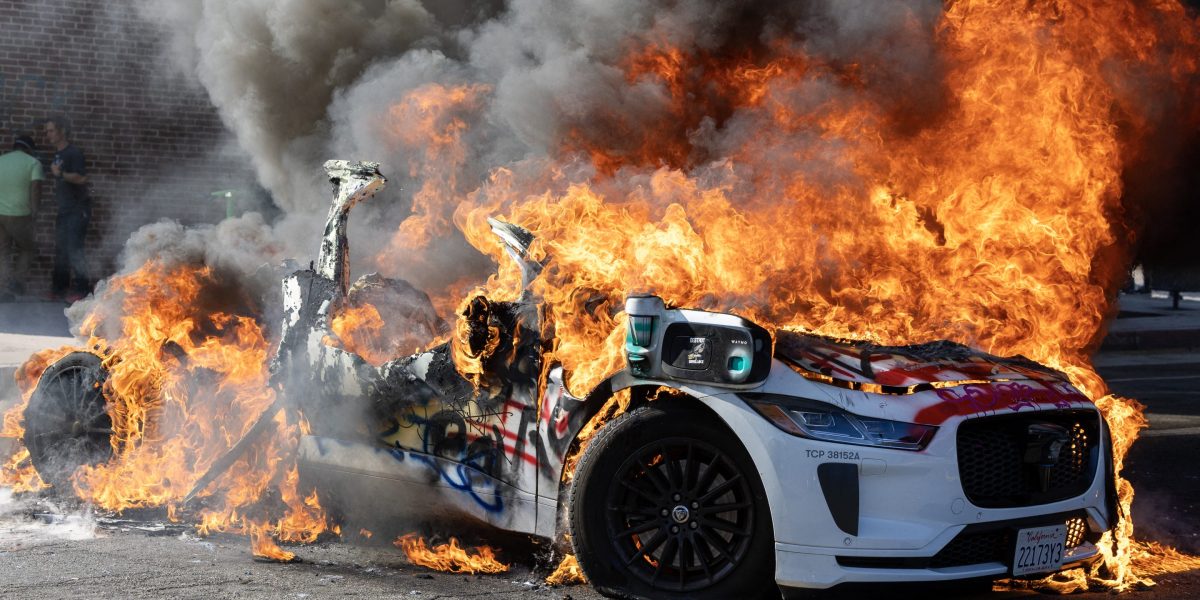
In recent months, several incidents involving autonomous vehicles (AVs) have raised concerns about their safety. In Wuhan, over 100 Baidu Apollo Go robotaxis froze on the streets, trapping passengers. In the US, Tesla’s robotaxis crashed into objects, while Waymo’s vehicles were involved in incidents such as driving into crime scenes and failing to close their doors. Despite these incidents, federal regulation of AVs remains stalled. Meanwhile, some states are passing laws to reduce the number of vehicle miles traveled, which could impact the deployment of AVs.
Our Reading
The numbers tell one story. Baidu’s Apollo Go robotaxis froze in Wuhan, Tesla’s robotaxis crashed in Austin, and Waymo’s vehicles struggled with basic tasks like closing doors. At the same time, states like California and Colorado are passing laws to reduce driving, which could impact the growth of AVs. The SELF DRIVE Act, a bipartisan House bill, aims to create the first federal autonomous vehicle safety law, but its passage is uncertain. As Tony Han, CEO of WeRide, said, AVs may never be 100% safe, but they could be 10 times safer than humans within a decade.
The announcement sounds familiar. Incidents involving AVs are becoming more frequent, and the need for regulation is growing. The lack of federal oversight is concerning, especially as states take matters into their own hands.
Author: Evan Null