Summary
Republicans are criticizing President Donald Trump for lifting tariffs on imported beef, which they say is harming ranchers in key states like South Dakota, Nebraska, and Kansas. Sen. Mike Rounds said his voters feel let down by the decision, which aims to lower beef prices by flooding the market with 300,000 metric tons of foreign beef. Trump’s plan also seeks to help rebuild cattle herds, which have declined due to drought and disease. Some lawmakers argue the move undermines support from Trump’s base and may hurt his re-election chances.
Our Reading
As expected, the matter has reached another stage.
Sen. Mike Rounds says voters feel betrayed by Trump’s decision.
Lawmakers from beef states voice concern about the impact on ranchers.
Trump’s plan to lower prices clashes with support for his base.
Ranchers and lawmakers talk about the same issues, again.
Author: Evan Null
Republicans Warn Trump of Beef Import Fallout
Republicans in key states like South Dakota, Nebraska, and Kansas are expressing concern over President Donald Trump’s decision to lift tariffs on imported beef. The move, intended to lower consumer prices, has drawn criticism from lawmakers who say it harms ranchers, a vital part of Trump’s base. Sen. Mike Rounds, R-S.D., described his voters as feeling “let down” by the administration.
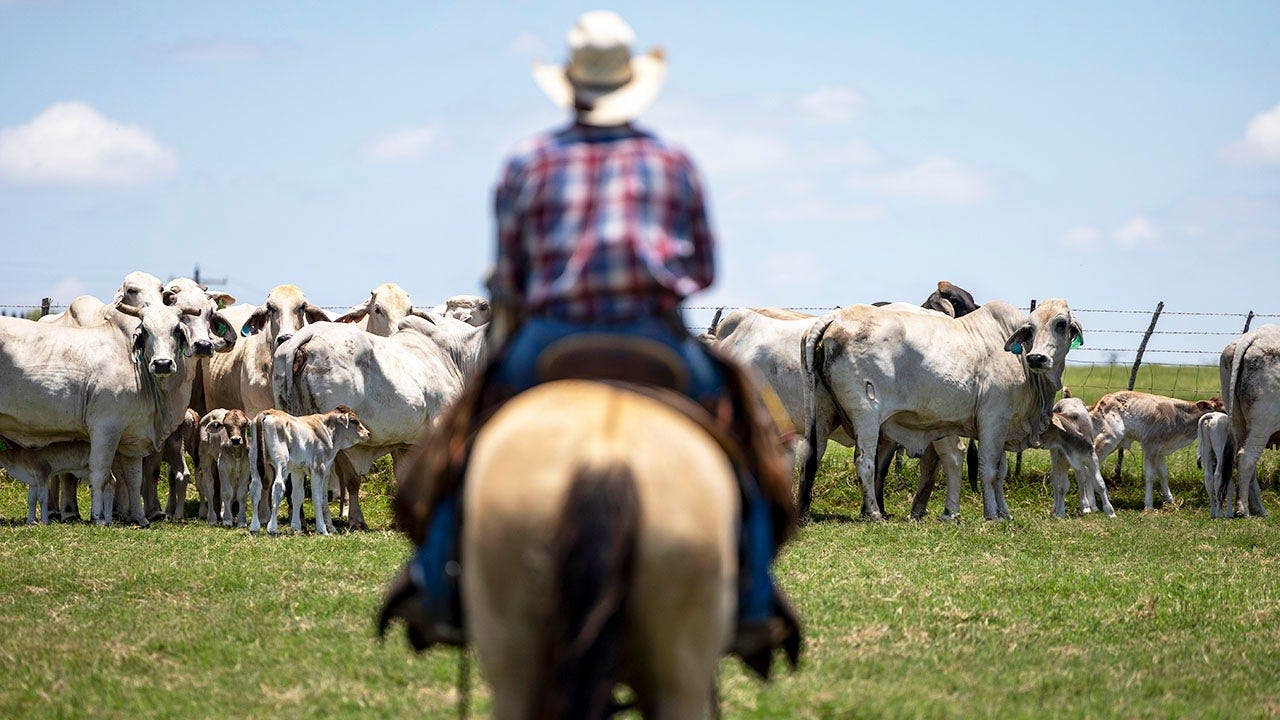
The decision to import 300,000 metric tons of foreign beef has sparked debate over its impact on the domestic cattle industry. Trump’s plan aims to reduce prices by offering imported beef at 25% below current market rates for 90 days. However, ranchers argue the strategy undermines their livelihoods and threatens to slow the recovery of the nation’s cattle herds, which have declined to historic lows.
House Republicans, including Rep. Zach Nunn and Rep. Troy Downing, voiced concerns during a meeting with U.S. Trade Representative Jamieson Greer. They emphasized the need for a “Made-in-America-first” approach to beef production. Despite the administration’s claim that the policy is temporary, lawmakers worry about its long-term effects on the industry.
Trump’s trade policies, including tensions with Canada, have also raised concerns among northern-border-state Republicans. Some lawmakers are pushing for alternative solutions, such as easing federal grazing restrictions and expanding access to public lands for ranchers. The White House maintains that Trump has supported agriculture through trade deals and cost-reduction measures.
As the midterm elections approach, the beef import issue highlights the tension between Trump’s economic promises and the interests of his core supporters. The debate over how to balance affordability with industry protection continues to play out in political and agricultural circles.
Trump’s Beef Policy Sparks Backlash
President Donald Trump’s decision to lift tariffs on imported beef has sparked backlash from Republicans in key states, including South Dakota, Nebraska, and Kansas. The move, aimed at lowering consumer prices, has been criticized by lawmakers who say it hurts ranchers, a crucial part of Trump’s base. Sen. Mike Rounds said his voters feel “let down” by the administration.
The policy involves importing 300,000 metric tons of foreign beef, which Trump claims will lower prices and help rebuild the nation’s cattle herds. However, ranchers and lawmakers argue the strategy undermines their livelihoods and threatens to slow the recovery of the cattle industry. Some Republicans, like Rep. Zach Nunn, are pushing for a “Made-in-America-first” approach to beef production.
During a meeting with U.S. Trade Representative Jamieson Greer, lawmakers expressed concerns about the impact on the industry. They emphasized the need for policies that support ranchers and avoid undercutting domestic producers. Despite the administration’s claim that the policy is temporary, some lawmakers worry about its long-term effects on the cattle herds and market stability.
Trump’s trade policies, including tensions with Canada, have also raised concerns among northern-border-state Republicans. Some lawmakers are pushing for alternative solutions, such as easing federal grazing restrictions and expanding access to public lands for ranchers. The White House maintains that Trump has supported agriculture through trade deals and cost-reduction measures.
As the midterm elections approach, the beef import issue highlights the tension between Trump’s economic promises and the interests of his core supporters. The debate over how to balance affordability with industry protection continues to play out in political and agricultural circles.
Lawmakers Criticize Trump’s Beef Import Plan
Republicans in key states like South Dakota, Nebraska, and Kansas are criticizing President Donald Trump’s decision to lift tariffs on imported beef. The move, intended to lower consumer prices, has drawn concerns from lawmakers who say it harms ranchers, a vital part of Trump’s base. Sen. Mike Rounds said his voters feel “let down” by the administration.
The policy involves importing 300,000 metric tons of foreign beef, which Trump claims will lower prices and help rebuild the nation’s cattle herds. However, ranchers and lawmakers argue the strategy undermines their livelihoods and threatens to slow the recovery of the cattle industry. Some Republicans, like Rep. Zach Nunn, are pushing for a “Made-in-America-first” approach to beef production.
During a meeting with U.S. Trade Representative Jamieson Greer, lawmakers expressed concerns about the impact on the industry. They emphasized the need for policies that support ranchers and avoid undercutting domestic producers. Despite the administration’s claim that the policy is temporary, some lawmakers worry about its long-term effects on the cattle herds and market stability.
Trump’s trade policies, including tensions with Canada, have also raised concerns among northern-border-state Republicans. Some lawmakers are pushing for alternative solutions, such as easing federal grazing restrictions and expanding access to public lands for ranchers. The White House maintains that Trump has supported agriculture through trade deals and cost-reduction measures.
As the midterm elections approach, the beef import issue highlights the tension between Trump’s economic promises and the interests of his core supporters. The debate over how to balance affordability with industry protection continues to play out in political and agricultural circles.
Trump’s Beef Policy Faces Pushback
President Donald Trump’s decision to lift tariffs on imported beef has faced criticism from Republicans in key states, including South Dakota, Nebraska, and Kansas. The move, aimed at lowering consumer prices, has been met with concerns from lawmakers who say it harms ranchers, a crucial part of Trump’s base. Sen. Mike Rounds said his voters feel “let down” by the administration.
The policy involves importing 300,000 metric tons of foreign beef, which Trump claims will lower prices and help rebuild the nation’s cattle herds. However, ranchers and lawmakers argue the strategy undermines their livelihoods and threatens to slow the recovery of the cattle industry. Some Republicans, like Rep. Zach Nunn, are pushing for a “Made-in-America-first” approach to beef production.
During a meeting with U.S. Trade Representative Jamieson Greer, lawmakers expressed concerns about the impact on the industry. They emphasized the need for policies that support ranchers and avoid undercutting domestic producers. Despite the administration’s claim that the policy is temporary, some lawmakers worry about its long-term effects on the cattle herds and market stability.
Trump’s trade policies, including tensions with Canada, have also raised concerns among northern-border-state Republicans. Some lawmakers are pushing for alternative solutions, such as easing federal grazing restrictions and expanding access to public lands for ranchers. The White House maintains that Trump has supported agriculture through trade deals and cost-reduction measures.
As the midterm elections approach, the beef import issue highlights the tension between Trump’s economic promises and the interests of his core supporters. The debate over how to balance affordability with industry protection continues to play out in political and agricultural circles.
Ranchers and Lawmakers Confront Trump’s Beef Policy
Republicans in key states like South Dakota, Nebraska, and Kansas are criticizing President Donald Trump’s decision to lift tariffs on imported beef. The move, intended to lower consumer prices, has drawn concerns from lawmakers who say it harms ranchers, a vital part of Trump’s base. Sen. Mike Rounds said his voters feel “let down” by the administration.
The policy involves importing 300,000 metric tons of foreign beef, which Trump claims will lower prices and help rebuild the nation’s cattle herds. However, ranchers and lawmakers argue the strategy undermines their livelihoods and threatens to slow the recovery of the cattle industry. Some Republicans, like Rep. Zach Nunn, are pushing for a “Made-in-America-first” approach to beef production.
During a meeting with U.S. Trade Representative Jamieson Greer, lawmakers expressed concerns about the impact on the industry. They emphasized the need for policies that support ranchers and avoid undercutting domestic producers. Despite the administration’s claim that the policy is temporary, some lawmakers worry about its long-term effects on the cattle herds and market stability.
Trump’s trade policies, including tensions with Canada, have also raised concerns among northern-border-state Republicans. Some lawmakers are pushing for alternative solutions, such as easing federal grazing restrictions and expanding access to public lands for ranchers. The White House maintains that Trump has supported agriculture through trade deals and cost-reduction measures.
As the midterm elections approach, the beef import issue highlights the tension between Trump’s economic promises and the interests of his core supporters. The debate over how to balance affordability with industry protection continues to play out in political and agricultural circles.