Source: Fortune.com
Summary
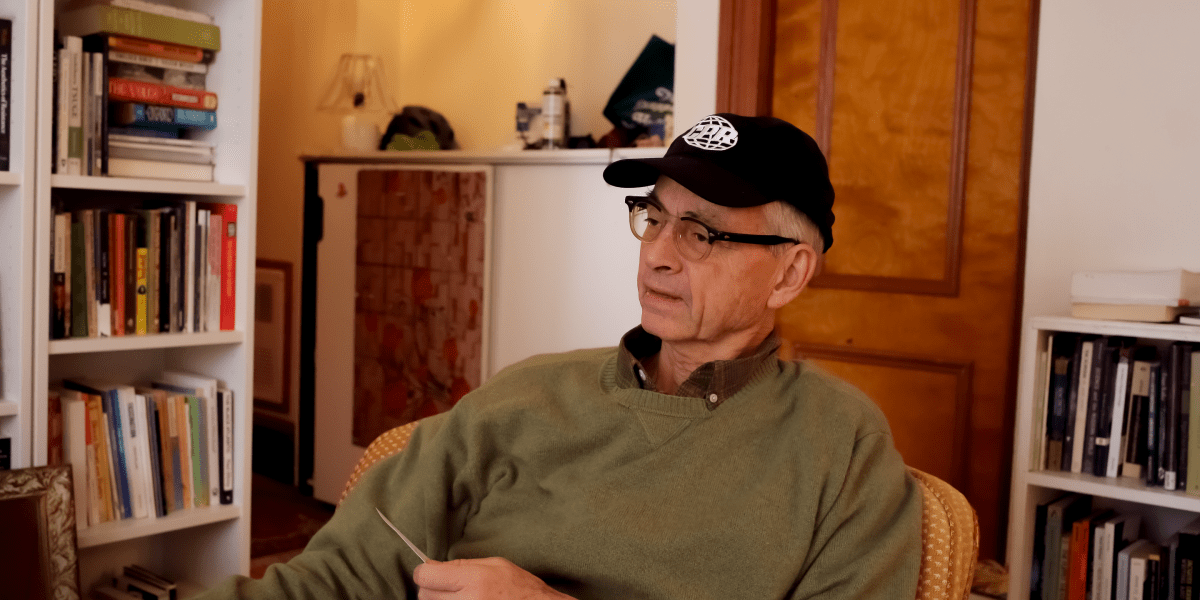
Robert Wright, author and journalist, discusses the implications of artificial intelligence (AI) and its potential impact on human society. He believes that AI is a “nonzero-sum game,” where one side’s gain is not necessarily the other side’s loss. Wright argues that the current situation with AI is alarming and that we need to be prepared for an “earthquake” of changes. He criticizes the idea of an “existential AI race” with China and instead advocates for global coordination to manage AI safely. Wright also discusses his personal experience with AI, including using it to interpret a confusing doctor’s report, and notes that AI can be more accurate than humans in certain tasks.
Our Reading
The numbers tell one story. Robert Wright’s warnings about AI’s impact on human society are timely and thought-provoking. His experience with AI, including using it to interpret a doctor’s report, highlights the technology’s potential benefits. However, his criticism of the “existential AI race” and advocacy for global coordination raises questions about the motivations of companies like Anthropic. Wright’s own book, “The God Test,” explores the idea of AI as a “god test” for humanity, requiring us to work together to manage its impact. The situation is not just about AI, but about our ability to cooperate and make decisions that benefit humanity as a whole.
Wright’s concerns about AI are not just about its potential risks, but also about the lack of preparedness and coordination among nations. His critique of the “suicidal ideology” of an AI arms race with China is a stark warning about the dangers of unchecked competition. The fact that Anthropic is due to IPO soon at a nearly trillion-dollar valuation raises questions about the financial incentives driving the development of AI.
The strategy enters a familiar phase. Wright’s emphasis on the need for global coordination and cooperation to manage AI safely is a familiar refrain in the debate about the technology’s impact. His advocacy for a more nuanced approach to AI development, one that prioritizes human well-being and safety, is a welcome addition to the conversation. However, the fact that Wright’s warnings are not new raises questions about why more is not being done to address the challenges posed by AI.
The announcement sounds familiar. Wright’s discussion of AI’s potential benefits and risks is a familiar theme in the debate about the technology’s impact. His emphasis on the need for global coordination and cooperation to manage AI safely is a familiar refrain. However, the fact that Wright’s warnings are not new raises questions about why more is not being done to address the challenges posed by AI.
One original observation: The fact that Wright’s book, “The God Test,” explores the idea of AI as a “god test” for humanity, requiring us to work together to manage its impact, raises questions about the role of religion and spirituality in shaping our response to AI.
Author: Evan Null