Source: Fox News
Summary
Sens. Adam Schiff criticized President Donald Trump for using taxpayer funds to host an IndyCar race in Washington, D.C., calling it a distraction from economic issues. IndyCar driver Graham Rahal responded, stating the event was privately funded and brought economic benefits to the area. Penske Corporation, a major automotive firm, covered most of the costs, though security was partially funded by federal and local authorities. The White House defended Trump, calling Schiff’s comments inappropriate. Rahal and others argued the event showcased American pride and attracted global spectators.
Our Reading
As expected, the matter has reached another stage.
Schiff criticized Trump for a race he didn’t fund.
Rahal explained the race was not taxpayer-funded.
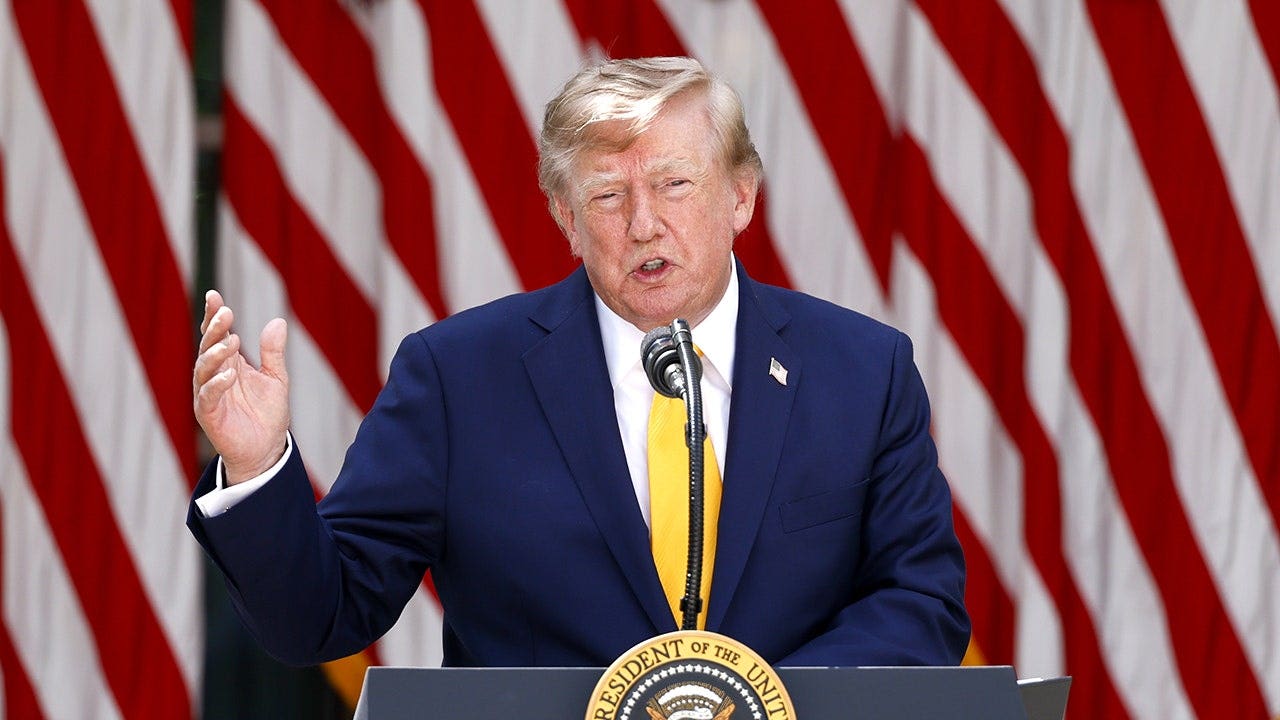
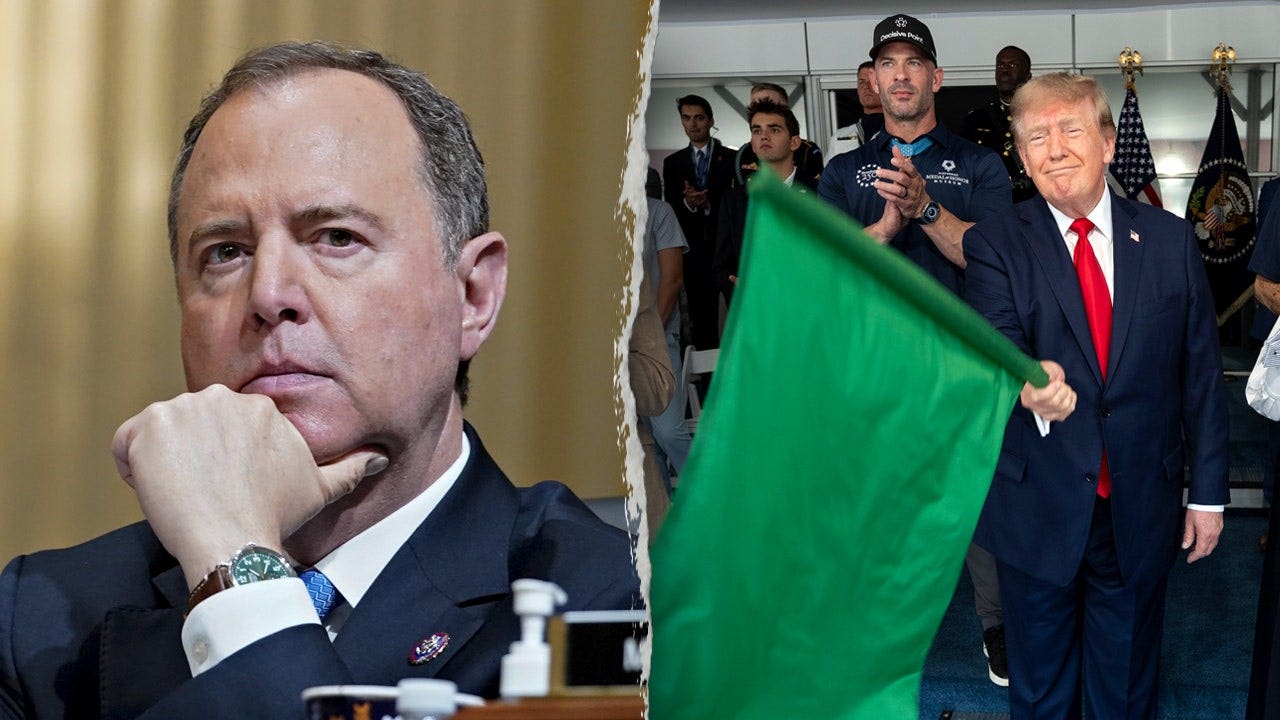
Trump waved a flag, then left the stage.
Everyone knew the race would be a political moment.
Author: Evan Null
IndyCar and Political Rhetoric
The clash between Sen. Adam Schiff and IndyCar driver Graham Rahal highlights how political rhetoric often intersects with public events. Schiff accused Trump of misusing taxpayer money, while Rahal countered that the event was privately funded. The exchange reflects a broader pattern where public figures use high-profile events as platforms for political commentary.
The IndyCar race in Washington, D.C., became a focal point for political debate, with Schiff and the White House taking opposing stances. The event, which featured Trump waving the green flag, was framed as a display of patriotism, but also as a potential political spectacle. This dynamic is common in American politics, where public events are often interpreted through a partisan lens.
Rahal’s response to Schiff was direct, emphasizing the economic benefits of the race and the private funding behind it. His argument resonated with many fans and critics who viewed the event as a celebration of American motorsports and national pride. The contrast between Schiff’s criticism and Rahal’s defense underscores the polarized nature of political discourse.
The involvement of Penske Corporation, a major automotive firm, added another layer to the debate. While the company covered most of the costs, the race still drew attention for its political implications. This intersection of private enterprise and public politics is not uncommon, but it often leads to heated exchanges between lawmakers and industry figures.
The broader context of Trump’s support for motorsports and his public appearances at racing events further complicates the narrative. His presence at the IndyCar race was seen by some as a demonstration of his connection to American culture, while critics viewed it as a political maneuver. This duality is a recurring theme in how public figures engage with cultural and sporting events.